
Smart Cycling Tips That Help Recreational Cyclists Ride Safer and Feel Stronger Leave a comment
Smart Cycling Tips That Help Recreational Cyclists Ride Safer and Feel Stronger
New to cycling or getting back on the bike after a break? The best way to build confidence and endurance is by focusing on control, balance, and traction—especially when you’re still mastering the basics. Smart cycling tips that help recreational cyclists ride safer and feel stronger start with understanding how your tires interact with the road. Whether you’re commuting, riding for fitness, or enjoying weekend trails, improving your grip and stability makes every ride more enjoyable and less stressful. This guide covers essential techniques, gear adjustments, and riding habits that boost safety and performance, with a special emphasis on traction for new cyclists.
Why Traction Matters Most for New Cyclists
Traction—the friction between your tires and the ground—is the foundation of safe cycling. Without it, braking, turning, and climbing become unpredictable and dangerous. For recreational riders, especially those new to the sport, maintaining consistent traction reduces the risk of skidding, sliding, or losing control on wet pavement, gravel, or uneven surfaces.
Unlike experienced cyclists who instinctively adjust their body position and speed, beginners often overcorrect or panic when they feel a loss of grip. The solution isn’t just better reflexes—it’s preparation. By choosing the right tires, maintaining proper tire pressure, and learning how to ride in a way that maximizes contact with the road, new cyclists can dramatically improve their safety and confidence.
How Tire Choice Affects Grip and Control
Not all bike tires are created equal. Road bikes often come with narrow, smooth tires designed for speed on pavement, while hybrid and mountain bikes use wider, treaded tires for better grip on varied terrain. For recreational riders, especially those who ride on mixed surfaces, a slightly wider tire (28–32mm) with light tread offers the best balance of comfort, efficiency, and traction.
Consider this comparison: a 23mm slick tire may roll faster on dry asphalt, but it has less surface area in contact with the ground and struggles on wet or loose surfaces. A 32mm tire with moderate tread, like the Continental Contact Plus or Schwalbe Marathon, provides better shock absorption and grip without sacrificing too much speed. If you frequently ride in rain or on gravel paths, prioritize puncture-resistant models with reinforced sidewalls.
Proper Tire Pressure: The Overlooked Safety Factor
Many new cyclists either ignore tire pressure or rely on outdated advice. Running tires too hard reduces traction by minimizing the contact patch—the area of the tire actually touching the ground. Conversely, underinflated tires increase rolling resistance and the risk of pinch flats.
Check your tire’s recommended pressure range (usually printed on the sidewall) and adjust based on your weight and riding conditions. A general rule: lighter riders can use the lower end of the range, while heavier riders should stay near the upper limit. For example, a 160-pound rider on 28mm tires might run 80–90 psi on pavement, but drop to 70–75 psi for wet roads or light gravel to increase grip.
Use a reliable floor pump with a gauge and check pressure at least once a week. Temperature changes also affect pressure—cold mornings can drop psi by 5–10%, so adjust accordingly.
Body Position and Technique for Better Traction
Even with perfect tires, poor riding form can compromise traction. New cyclists often sit too upright or lean too far forward, both of which shift weight unevenly and reduce control. The key is a balanced, centered position that keeps your weight over the bottom bracket—the part of the frame where the pedals connect.
When riding on slippery or uneven surfaces, bend your elbows and knees slightly to act as shock absorbers. This “ready position” lowers your center of gravity and helps your bike respond smoothly to bumps without losing grip. Keep your head up and look ahead, not down at the front wheel—your body follows your gaze.
Braking Without Skidding
One of the most common causes of falls for new riders is improper braking. Slamming the front brake can cause the wheel to lock and skid, especially on wet or loose surfaces. Instead, use both brakes evenly, with slightly more pressure on the rear.
Here’s a simple technique: as you approach a stop, begin braking gently with both levers. Gradually increase pressure, keeping your weight back to prevent going over the handlebars. If you feel the rear wheel start to skid, ease off slightly—modern brakes allow fine control, so avoid panic squeezing.
On descents, shift your weight back and down, and use intermittent braking (also called “feathering”) to maintain speed without overheating the rims or losing traction.
Cornering with Confidence
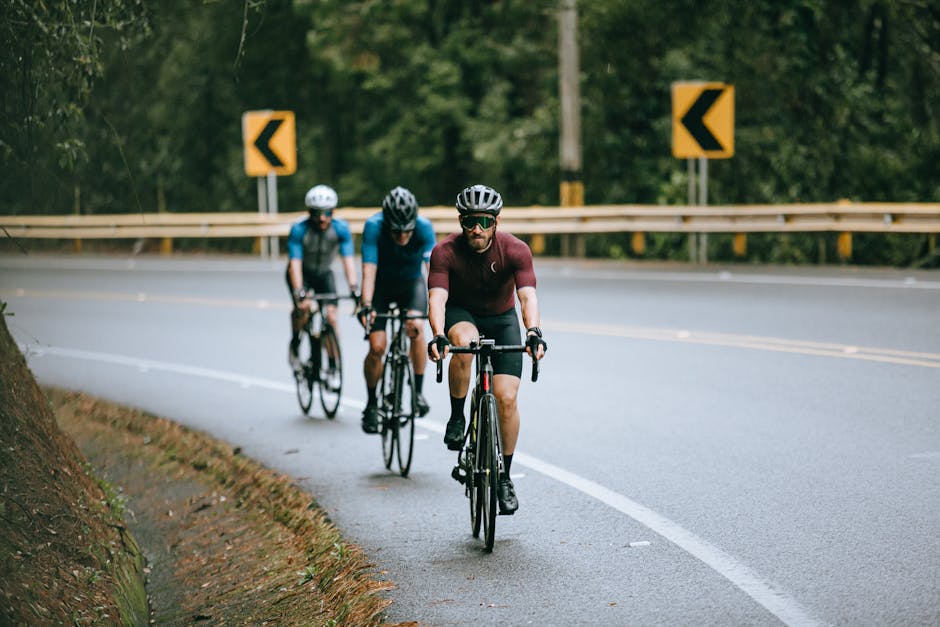
Turning safely requires looking ahead, leaning the bike (not your body), and maintaining steady speed. Enter the corner wide, lean into the turn, and exit toward the outside of the curve. Avoid braking mid-turn—this shifts weight forward and can cause the front wheel to slide.
For tight turns or wet conditions, reduce speed before entering the curve. Keep your inside pedal up to avoid clipping the ground, and maintain light pressure on both tires to preserve grip.
Gear and Maintenance Tips That Boost Safety
Beyond tires and technique, a few simple gear choices and maintenance habits go a long way in keeping you safe and strong on the bike.
Wear the Right Clothing and Gear
Bright, reflective clothing increases visibility, especially during dawn, dusk, or overcast days. A properly fitted helmet is non-negotiable—look for one with MIPS technology for added protection against rotational impacts.
Padded cycling shorts reduce discomfort on longer rides and help you stay in the saddle, which improves control. Gloves with grip padding also absorb vibration and protect your hands in a fall.
Keep Your Bike in Top Shape
A well-maintained bike is a safer bike. Check brakes weekly—squeeze the levers; they should engage firmly without touching the handlebars. Worn brake pads reduce stopping power and can damage rims.
Lubricate the chain every 100–200 miles or after riding in wet conditions. A dry or rusty chain increases wear and can cause shifting problems. Use a bike-specific lubricant and wipe off excess to avoid attracting dirt.
Inspect tires for cuts, embedded debris, or uneven wear. Replace tires when the tread is smooth or sidewalls show cracks. A monthly quick check can prevent flats and blowouts.
Riding in Different Conditions: Adapting for Traction
Weather and terrain change how your bike handles. Learning to adapt your riding style is crucial for staying safe.
Wet Roads and Rain
Water reduces tire grip by creating a thin film between the rubber and pavement. The first 10–15 minutes of rain are the most dangerous due to oil and grime mixing with water. Slow down, avoid painted lines and manhole covers, and increase following distance.
Use lower tire pressure (within safe limits) to increase the contact patch. Consider fenders to reduce spray and improve visibility for others.
Gravel, Dirt, and Uneven Surfaces
On loose surfaces, wider tires with tread are essential. Keep your weight centered or slightly back, and avoid sudden movements. Pedal smoothly—jerky inputs can cause the rear wheel to spin or slide.
If you’re riding on packed dirt or gravel paths, consider switching to knobby tires or hybrid models designed for mixed terrain.
Cold Weather and Ice
In freezing temperatures, tire rubber hardens and loses grip. Avoid riding on icy patches, black ice, or snow-covered roads unless you have studded tires. If you must ride, go slow, avoid turns, and use the rear brake primarily.
Building Strength and Endurance Safely
Feeling stronger on the bike isn’t just about riding more—it’s about riding smarter. Gradual progression prevents injury and builds sustainable fitness.
Start with short, flat rides (15–20 minutes) and increase duration by 10% each week. Add hills once you’re comfortable with balance and braking. Use a heart rate monitor or perceived exertion scale to avoid overexertion.
Strength training off the bike—especially core, legs, and back—improves stability and power. Simple exercises like planks, squats, and lunges can make a noticeable difference in your ride quality.
Final Takeaways for Safer, Stronger Cycling
Smart cycling tips that help recreational cyclists ride safer and feel stronger center on control, preparation, and consistency. Focus on traction by choosing the right tires, maintaining proper pressure, and adjusting your riding style for conditions. Practice braking and cornering in a safe area before hitting busy roads. Keep your bike well-maintained and wear appropriate gear. Most importantly, ride within your limits and build confidence gradually.
With these strategies, new cyclists can enjoy smoother, safer rides and develop the skills—and strength—to tackle longer distances and varied terrain.
FAQ
What tire pressure should I use for better traction?
Use the lower end of your tire’s recommended pressure range for wet or loose surfaces to increase the contact patch and improve grip. Always stay within the safe limits printed on the tire sidewall.
How can I prevent skidding when braking?
Apply both brakes evenly, with slightly more pressure on the rear. Avoid sudden, hard squeezing—especially on the front brake—and shift your weight back when stopping.
Is it safe to ride in the rain as a new cyclist?
Yes, with caution. Reduce speed, avoid painted surfaces and manhole covers, use lower tire pressure, and increase following distance. Practice braking and turning in a safe, empty parking lot first.
Related keywords: Smart cycling tips that help recreational cyclists ride safer and feel stronger with a focus on traction for new cyclists.
