

Road Cycling Guide to Handling Wind, Traffic, and Changing Road Surfaces with a Focus on Durability for New Cyclists Leave a comment
Road Cycling Guide to Handling Wind, Traffic, and Changing Road Surfaces with a Focus on Durability for New Cyclists
New cyclists often face three major challenges on the road: unpredictable wind, heavy traffic, and shifting road surfaces. These factors not only affect comfort and safety but also impact the long-term durability of both rider and bike. This road cycling guide to handling wind, traffic, and changing road surfaces with a focus on durability for new cyclists offers practical strategies to build confidence, reduce wear on equipment, and ride more efficiently. Whether you’re commuting, training, or exploring local routes, mastering these elements early will make your rides safer and more enjoyable.
Understanding the Challenges New Cyclists Face
Wind, traffic, and road surface changes are unavoidable in real-world cycling. Each presents unique risks that can compromise safety and bike longevity if not managed properly. For beginners, these conditions can feel overwhelming—sudden gusts throw off balance, traffic noise increases stress, and potholes or gravel can damage wheels and frames over time. Recognizing these challenges is the first step toward building resilience.
Wind resistance can increase energy expenditure by up to 30%, especially when riding into headwinds. Traffic introduces variables like sudden stops, door zones, and distracted drivers. Meanwhile, inconsistent road surfaces—from smooth asphalt to cracked pavement or loose gravel—accelerate component wear, particularly on tires, rims, and suspension systems (if equipped). Addressing these issues proactively helps preserve your bike and improve your riding experience.
Mastering Wind: Positioning, Pace, and Planning
Wind is one of the most underestimated forces in road cycling. It can turn a leisurely ride into a grueling effort or provide a helpful tailwind that boosts speed. Learning to work with wind—not against it—is essential for durability and efficiency.
Riding Technique in Windy Conditions
- Lower your profile: Drop your torso closer to the handlebars to reduce frontal area. This minimizes wind resistance and improves stability.
- Use the drops: When riding into a headwind, shift your hands to the lower part of the handlebars for better control and aerodynamics.
- Maintain steady cadence: Avoid surging or braking abruptly. Consistent pedaling helps maintain momentum and reduces strain on drivetrain components.
- Anticipate gusts: Watch for trees, buildings, or open fields where wind patterns change. Slow slightly before entering windy zones.
For example, a cyclist riding at 20 km/h into a 15 km/h headwind experiences the equivalent of a 35 km/h wind load. By lowering their body position, they can reduce drag by up to 20%, significantly easing effort and reducing fatigue.
Route Planning to Minimize Wind Impact
Use weather apps and wind forecasts to plan rides. Aim to ride into the wind on the way out and return with a tailwind. This strategy conserves energy and reduces stress on both body and bike. Avoid exposed ridgelines or open highways during high-wind days unless necessary.
When group riding, take turns at the front. Drafting behind another cyclist can reduce wind resistance by up to 30%, allowing you to conserve energy and reduce wear on your legs and drivetrain. Rotate frequently to share the workload fairly.
Navigating Traffic Safely and Confidently
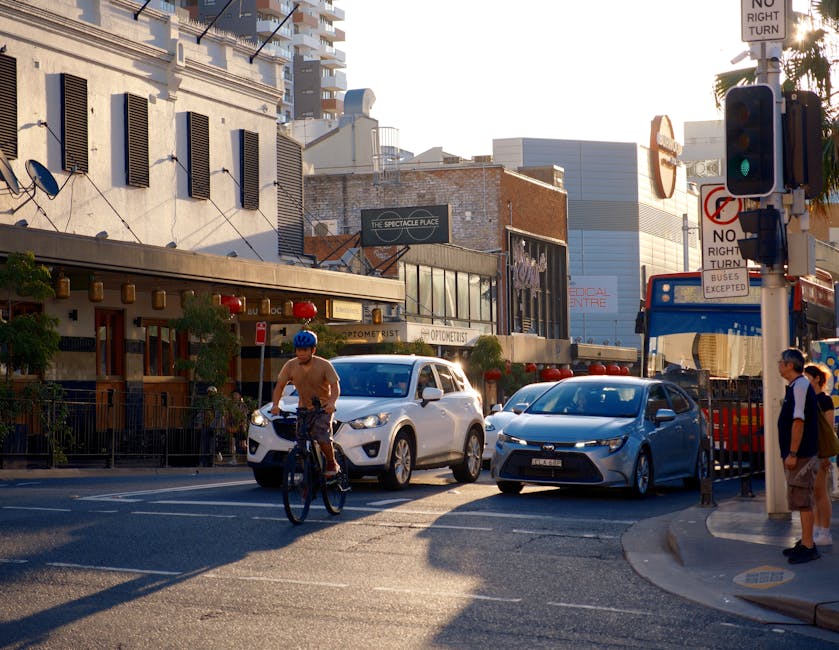
Traffic is a constant presence for urban and suburban cyclists. Staying visible, predictable, and aware is key to avoiding accidents and reducing stress.
Visibility and Positioning
- Ride in the right-third of the lane: This makes you more visible to drivers and discourages unsafe passing.
- Avoid the door zone: Stay at least 1.2 meters (4 feet) away from parked cars to prevent collisions with opening doors.
- Use hand signals: Clearly indicate turns and stops. This helps drivers anticipate your movements.
- Wear bright, reflective clothing: Especially during low-light conditions, high-visibility gear increases your presence on the road.
For instance, riding too close to the curb increases the risk of clipping debris or being squeezed by passing vehicles. Maintaining a central position in the lane asserts your right to the road and encourages safer driver behavior.
Interacting with Vehicles
Always assume drivers don’t see you. Make eye contact when possible, especially at intersections. Use lights—front and rear—even during the day. A steady white front light and a flashing red rear light significantly improve visibility.
When approaching intersections, slow down and assess cross traffic. Never assume the right of way. Be especially cautious of right-turning vehicles that may not check their blind spot.
Using Bike Lanes and Paths Wisely
Protected bike lanes are ideal, but many are shared with pedestrians or have frequent driveways. Stay alert and reduce speed when entering or exiting these lanes. Avoid riding on sidewalks unless legally permitted, as sudden movements can surprise pedestrians.
In areas without dedicated infrastructure, use quiet side streets or low-traffic roads. Apps like Komoot or Ride with GPS can help identify bike-friendly routes.
Adapting to Changing Road Surfaces
Road surfaces vary widely—from smooth tarmac to potholes, gravel, and construction zones. Each type affects bike handling and component durability. Learning to read the road and adjust your technique protects your equipment and improves safety.
Recognizing Surface Hazards
- Potholes and cracks: Scan ahead and avoid when possible. If unavoidable, stand on pedals, loosen grip, and roll through smoothly.
- Gravel and loose debris: Reduce speed and avoid sharp turns. Keep weight centered and avoid braking hard.
- Wet or oily surfaces: These reduce tire grip. Brake earlier and avoid sudden movements.
- Railroad tracks and grates: Cross at a 90-degree angle to prevent wheels from catching.
For example, hitting a pothole at speed can bend rims, damage spokes, or cause pinch flats. Standing up and absorbing the impact with your legs helps protect the frame and wheels.
Tire Choice and Pressure for Durability
Tires are your first line of defense against road imperfections. Wider tires (25–32mm) with lower pressure offer better shock absorption and grip, reducing stress on the frame and improving comfort.
| Surface Type | Tire Width | Recommended Pressure (PSI) |
|---|---|---|
| Smooth asphalt | 25mm | 80–90 |
| Cracked pavement | 28mm | 70–80 |
| Gravel or rough roads | 32mm | 60–70 |
Lower pressure increases contact patch and cushioning, which reduces vibration and wear on bearings and joints. However, too little pressure increases rolling resistance and risk of pinch flats. Check tire pressure before every ride.
Suspension and Frame Considerations
Most road bikes lack suspension, relying on tire flexibility and frame material to absorb shocks. Carbon frames offer some natural dampening, while aluminum is stiffer but lighter. Steel frames provide excellent vibration absorption, making them a durable choice for rough roads.
If you frequently ride on poor surfaces, consider a gravel bike or endurance road bike with wider tire clearance and relaxed geometry. These designs prioritize comfort and durability over outright speed.
Building Durability: Bike Maintenance and Rider Habits
Durability isn’t just about surviving tough conditions—it’s about preventing damage before it happens. Regular maintenance and smart riding habits extend the life of your bike and reduce long-term costs.
Essential Maintenance for Rough Conditions
- Inspect tires weekly: Look for cuts, embedded glass, or wear indicators.
- Check wheel trueness: Wobbling wheels increase stress on spokes and hubs.
- Lubricate the chain: A well-lubed chain reduces friction and wear on the drivetrain.
- Tighten bolts regularly: Vibration from rough roads can loosen stem, seatpost, and brake bolts.
- Clean after dirty rides: Rinse off mud, salt, and grime to prevent corrosion.
For example, riding through a puddle with road salt can corrode brake cables and derailleur pivots within weeks if not cleaned. A quick rinse and wipe-down after such rides preserves component life.
Rider Habits That Extend Bike Life
- Avoid skidding or locking wheels: This wears down rims and tires prematurely.
- Shift gears smoothly: Cross-chaining (e.g., big ring with big cog) strains the chain and derailleur.
- Use both brakes evenly: Relying only on the front brake increases wear and risk of skidding.
- Store your bike properly: Keep it indoors, away from moisture and extreme temperatures.
Simple habits like wiping down your bike after a wet ride or storing it upright can prevent rust and component degradation over time.
Gear and Equipment for Tough Conditions
The right gear enhances safety and durability. While you don’t need the most expensive setup, investing in key components pays off in the long run.
Must-Have Accessories
- Quality helmet: Look for MIPS technology for added impact protection.
- Front and rear lights: Even in daylight, lights increase visibility.
- Mirror (helmet or handlebar-mounted): Helps monitor traffic without turning your head.
- Repair kit: Include a spare tube, tire levers, mini pump, and multi-tool.
- Fenders: Keep you and your bike cleaner in wet conditions.
A good mirror, for instance, allows you to check traffic before changing lanes, reducing the need for sudden movements that can startle drivers or cause loss of balance.
Choosing Durable Components
For new cyclists, prioritize reliability over weight savings. Consider:
- Double-wall rims: More resistant to impacts than single-wall.
- Stainless steel spokes: Less prone to corrosion.
- Sealed-bearing hubs: Better protection against dirt and moisture.
- Puncture-resistant tires: Brands like Schwalbe or Continental offer models with reinforced casings.
While lightweight carbon parts are appealing, they can be more fragile under repeated stress. Aluminum components often offer better durability for daily riding.
Developing Confidence Through Practice
Confidence grows with experience. Start with low-traffic routes and gradually introduce more challenging conditions. Practice emergency stops, quick turns, and balancing at low speeds in a safe area like a parking lot.
Join a local cycling group or club. Riding with others provides mentorship, motivation, and real-time feedback. Many clubs offer skills clinics focused on traffic navigation and bike handling.
Keep a riding journal to track progress. Note how you handled wind, traffic, or rough roads on each ride. Over time, you’ll identify patterns and areas for improvement.
Final Tips for Long-Term Success
- Start slow: Build endurance and skill before tackling long or difficult routes.
- Listen to your body: Fatigue reduces reaction time and increases accident risk.
- Stay informed: Learn local traffic laws and cycling regulations.
- Be patient: Mastery takes time. Focus on progress, not perfection.
By applying the strategies in this road cycling guide to handling wind, traffic, and changing road surfaces with a focus on durability for new cyclists, you’ll build a foundation for safe, enjoyable, and sustainable riding.
FAQ
How can I reduce wind resistance while cycling?
Lower your body position, use the drops on your handlebars, maintain a steady cadence, and draft behind other riders when safe. Planning routes to ride into the wind on the way out can also help.
What should I do if I hit a pothole?
Stand on your pedals, loosen your grip, and let your arms and legs absorb the impact. Avoid braking hard immediately after. Inspect your wheels and tires for damage afterward.
How often should I maintain my bike for durability?
Check tire pressure and brakes before every ride. Clean and lubricate the chain weekly, and perform a full inspection monthly. After rides in wet or dirty conditions, clean your bike promptly.
