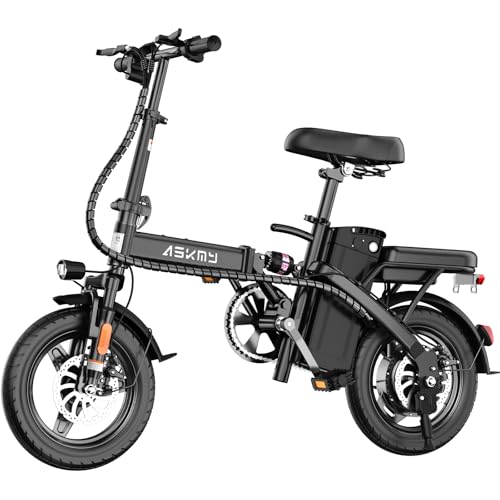


Electric Bicycles Reviewed for Riders Who Want Comfort and Efficiency with a Focus on Value for New Cyclists Leave a comment
Electric Bicycles Reviewed for Riders Who Want Comfort and Efficiency with a Focus on Value for New Cyclists
If you’re new to cycling and looking for an electric bicycle that balances comfort, efficiency, and affordability, you’re not alone. Many first-time riders prioritize a smooth ride, reliable performance, and long-term value over flashy features or premium branding. Electric bicycles reviewed for riders who want comfort and efficiency with a focus on value offer a practical entry point into e-biking—delivering assisted pedaling, ergonomic design, and dependable components without breaking the bank. This guide examines top models in the mid-range category, highlights key features to look for, and helps new cyclists make informed decisions based on real-world usability and cost-effectiveness.

Why New Cyclists Choose Electric Bicycles for Comfort and Efficiency
For beginners, traditional bicycles can present physical challenges—hills, long distances, and fatigue often discourage consistent use. Electric bicycles reduce these barriers by providing pedal assistance, making it easier to maintain speed and reduce strain. Comfort-focused designs typically include wider saddles, upright handlebars, and suspension systems that absorb road vibrations. Efficiency comes from well-matched motor and battery systems that extend range without excessive weight or complexity.
Value doesn’t mean cutting corners. Instead, it means getting the most essential features—like reliable motors, decent battery life, and safe braking—at a fair price. New cyclists benefit most from e-bikes that are easy to operate, maintain, and ride daily, whether for commuting, errands, or leisure.
Key Features to Prioritize in an Entry-Level E-Bike
When shopping for an electric bicycle, new riders should focus on a few core components that directly impact comfort, efficiency, and long-term satisfaction. Here’s what to look for:
- Motor Type and Power: Hub motors (front or rear) are common in budget and mid-range models. A 250W to 500W motor provides sufficient assistance for city riding and moderate hills. Mid-drive motors offer better weight distribution and efficiency but are typically more expensive.
- Battery Capacity and Range: Measured in watt-hours (Wh), a 400Wh to 500Wh battery typically delivers 30–60 miles per charge, depending on terrain and assist level. Removable batteries are convenient for charging indoors.
- Frame Geometry: Step-through frames are ideal for new riders, offering easy mounting and dismounting. Upright riding positions reduce back and neck strain.
- Suspension: Front suspension forks improve comfort on uneven surfaces. Full suspension is rare in value-focused models but may appear in higher-end commuter bikes.
- Braking System: Mechanical disc brakes are standard; hydraulic disc brakes offer better stopping power and require less hand effort—important for safety and control.
- Tire Width and Type: Wider tires (1.75″ to 2.3″) provide better stability and cushioning. Puncture-resistant tires reduce maintenance headaches.
- Weight and Portability: Most e-bikes weigh 40–60 pounds. Consider weight if you need to carry the bike upstairs or load it onto public transit.
Top Electric Bicycles for New Cyclists Seeking Value
Below are three well-regarded models that consistently appear in electric bicycles reviewed for riders who want comfort and efficiency with a focus on value. Each offers a balance of performance, build quality, and price under $2,000.
1. Rad Power Bikes RadCity 5 Plus
The RadCity 5 Plus is a standout commuter e-bike designed with new riders in mind. It features a 750W rear hub motor (peak) and a 672Wh battery, delivering up to 50 miles of range. The step-through frame and adjustable stem allow for a relaxed, upright posture. Integrated lights, fenders, and a rear rack make it practical for daily use. While slightly heavier at 61 pounds, its hydraulic disc brakes and 27.5″ x 2.4″ tires ensure stable, confident handling. Priced around $1,799, it’s a strong value for its feature set.
2. Aventon Level.2
The Aventon Level.2 offers a smooth ride with a 500W rear hub motor and 614Wh battery, providing up to 60 miles of range. Its ergonomic design includes a suspension seat post and 27.5″ wheels with puncture-resistant tires. The Level.2 includes a color display, app connectivity, and a torque sensor for more natural pedal assist—features uncommon at its $1,699 price point. The step-through version enhances accessibility, making it ideal for riders of varying heights and abilities.
3. Lectric XP 3.0
For those prioritizing affordability without sacrificing core functionality, the Lectric XP 3.0 is a compelling option. At $999, it includes a 500W rear motor, 504Wh battery, and foldable frame for easy storage. While the suspension is basic and the components are entry-level, it still offers hydraulic disc brakes and 20″ x 3″ fat tires for stability on varied terrain. Its compact size suits urban riders with limited space. Range is around 45 miles, and the bike weighs 62 pounds—manageable for short carries.
How to Choose the Right E-Bike for Your Needs
With so many options, narrowing down your choice requires matching the bike to your lifestyle and physical needs. Follow these steps to make a confident decision:
- Assess Your Riding Environment: City streets with frequent stops? Look for responsive brakes and good visibility. Hilly areas? Prioritize motor power and battery capacity.
- Determine Your Range Needs: If your daily trip is 10 miles round-trip, a 40-mile range provides a comfortable buffer. For longer commutes, aim for 50+ miles.
- Test Ride When Possible: Visit local dealers or rental programs to try different models. Pay attention to seat comfort, handlebar reach, and how the assist feels.
- Consider Maintenance and Support: Choose brands with accessible service networks or clear warranty policies. Online-only brands may offer lower prices but limited local support.
- Factor in Accessories: Budget for essentials like a helmet, lock, and possibly a phone mount. Some bikes include these; others require separate purchases.
Common Mistakes New E-Bike Buyers Make
Even with good research, first-time buyers often overlook critical details that affect long-term satisfaction. Avoid these pitfalls:
- Ignoring Weight: Heavier bikes are harder to maneuver and transport. If you live in an apartment without an elevator, a lighter model or foldable design may be worth the trade-off in range.
- Overestimating Range: Manufacturer range claims are often based on ideal conditions. Real-world range can be 20–30% lower, especially in cold weather or on hills.
- Skipping Safety Features: Lights, reflectors, and reliable brakes are non-negotiable for urban riding. Don’t compromise on visibility and stopping power.
- Neglecting Fit: A bike that doesn’t fit properly leads to discomfort and reduced control. Ensure the frame size matches your height and inseam.
- Buying Based on Price Alone: The cheapest bike isn’t always the best value. A slightly higher upfront cost can mean better components, longer lifespan, and lower repair frequency.
Maintaining Your E-Bike for Long-Term Value
Proper maintenance extends the life of your electric bicycle and preserves its efficiency. New riders should establish a simple routine:
- Charge Smart: Avoid draining the battery to 0% regularly. Most lithium-ion batteries last longer when kept between 20% and 80% charge.
- Clean Regularly: Wipe down the frame and drivetrain after wet or muddy rides. Use a damp cloth—never high-pressure water near electrical components.
- Check Tire Pressure: Underinflated tires increase rolling resistance and reduce range. Check pressure weekly with a gauge.
- Lubricate the Chain: Apply bike-specific lubricant every 100–200 miles to prevent wear and noise.
- Inspect Brakes and Cables: Squeaking or reduced stopping power signals the need for adjustment or pad replacement.
Many local bike shops offer affordable tune-up packages. For complex issues like motor or battery problems, consult a certified technician rather than attempting DIY fixes.
Are Electric Bicycles Worth It for New Cyclists?
Yes—especially when comfort, efficiency, and value are priorities. Electric bicycles reduce physical barriers to cycling, encourage consistent use, and offer a sustainable alternative to short car trips. For new riders, they provide a low-stress way to build confidence and fitness. While the initial investment is higher than a standard bike, the long-term savings on transportation, combined with health and environmental benefits, make e-bikes a smart choice for many.
The key is selecting a model that matches your needs without overspending on unnecessary features. Electric bicycles reviewed for riders who want comfort and efficiency with a focus on value consistently highlight models that deliver reliability, ease of use, and practical design at accessible price points.
Final Thoughts
Choosing your first electric bicycle doesn’t have to be overwhelming. By focusing on comfort, efficiency, and value, new cyclists can find a model that supports their goals without stretching their budget. Prioritize essential features like motor performance, battery life, and ergonomic design. Test ride when possible, and don’t overlook maintenance and safety. With the right e-bike, daily riding becomes less of a chore and more of a pleasure—opening the door to healthier habits, cost savings, and a lighter environmental footprint.
FAQ
What is the average range of a value-focused electric bicycle?
Most entry-level to mid-range e-bikes offer a real-world range of 30 to 60 miles per charge, depending on terrain, rider weight, and assist level. A 500Wh battery typically delivers around 40–50 miles under normal conditions.
Can I ride an electric bicycle in the rain?
Yes, most e-bikes are designed to handle light to moderate rain. However, avoid submerging the bike or using high-pressure water on electrical components. Dry the bike after wet rides and store it in a covered area when possible.
Do I need a license or insurance to ride an e-bike?
In most U.S. states and many countries, Class 1 and Class 2 e-bikes (pedal-assist up to 20 mph) do not require a license or insurance. Always check local regulations, as rules vary by region.
