
Electric Bicycle Advice for Riders Comparing Commuter and Cargo Bicycles for Weekend Rides Leave a comment
Electric Bicycle Advice for Riders Comparing Commuter and Cargo Bicycles for Weekend Rides
Choosing the right electric bicycle for weekend rides depends heavily on your needs, terrain, and how much you plan to carry. Whether you’re considering a nimble commuter e-bike or a sturdy cargo model, understanding their strengths and setup requirements is key. This guide offers practical electric bicycle advice for riders comparing commuter and cargo bicycles, with a focus on optimizing your setup for relaxed weekend outings. We’ll walk through key differences, setup tips, and real-world considerations so you can ride confidently—no matter which style you choose.
Commuter vs. Cargo E-Bikes: What Sets Them Apart?
Commuter and cargo electric bicycles serve different purposes, even though both are designed for practical, everyday use. The core distinction lies in weight capacity, frame geometry, and intended load. Commuter e-bikes prioritize agility, efficiency, and speed for daily travel, while cargo e-bikes are built to haul people, groceries, or gear over varied distances.
Frame Design and Handling
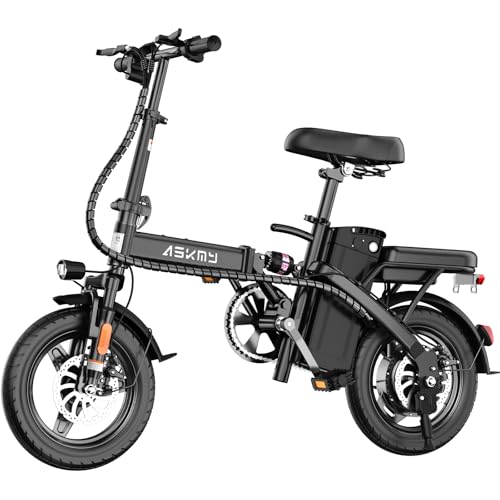
Commuter e-bikes typically feature lightweight aluminum or carbon frames with a more upright riding position. They’re built for quick acceleration and easy maneuvering through traffic or bike lanes. Models like the Rad Power Bikes RadCity or Trek Allant+ 7 offer responsive handling and integrated lights, making them ideal for city riding.
In contrast, cargo e-bikes—such as the Tern GSD or Yuba Mundo—have longer wheelbases and reinforced frames to support heavier loads. Their geometry prioritizes stability over speed, which means they handle more like a small truck than a sports car. This makes them excellent for family trips or hauling camping gear but less ideal for tight corners or high-speed sprints.
Motor Power and Battery Range
Most commuter e-bikes come with mid-drive or rear hub motors ranging from 250W to 500W, sufficient for flat urban routes and moderate hills. Battery capacities typically fall between 400Wh and 625Wh, offering 30–60 miles of range depending on assist level and terrain.
Cargo e-bikes often feature higher-wattage motors (500W–750W) and larger batteries (up to 750Wh or more) to compensate for added weight. For example, the Riese & Müller Packster 70 includes a dual-battery option for extended weekend excursions. This extra power ensures consistent performance even when fully loaded.
Carrying Capacity and Accessories
Commuter e-bikes usually support up to 275–300 pounds total (rider plus cargo) and come with basic racks or pannier mounts. They’re great for a backpack, laptop, or light groceries.
Cargo e-bikes, however, are engineered for serious hauling. Many support 400+ pounds and include features like extended rear racks, front cargo boxes, child seats, or even integrated cargo bags. The Urban Arrow Family, for instance, can carry two children plus groceries, making it a popular choice for parents planning weekend park visits.
Setting Up Your E-Bike for Weekend Rides
Whether you choose a commuter or cargo model, proper setup ensures comfort, safety, and enjoyment on weekend adventures. Here’s how to prepare your electric bicycle for leisurely rides beyond the daily grind.
Adjust Your Riding Position
Start with the saddle height: when seated, your leg should have a slight bend at the bottom of the pedal stroke. Handlebar height affects comfort—higher bars reduce strain on your back and shoulders, especially important on longer rides. Most commuter e-bikes allow easy stem adjustments, while cargo models may require professional fitting due to their fixed geometry.
Test your position on a short ride. If your wrists feel strained or your lower back aches after 15 minutes, tweak the setup before heading out on a longer trip.
Check Tire Pressure and Tread
Proper tire inflation is critical for efficiency and puncture resistance. Commuter e-bikes often use 28–32mm tires at 60–80 PSI, while cargo models may run wider tires (up to 2.4 inches) at lower pressures (40–60 PSI) for better grip under load.
Check your tire pressure before every weekend ride. Underinflated tires increase rolling resistance and risk pinch flats, especially on rough trails or gravel paths. Carry a portable pump or CO₂ inflator for on-the-go adjustments.
Secure Your Load Properly
If you’re using a cargo e-bike, distribute weight evenly and low to the ground to maintain balance. Use bungee cords, cargo nets, or dedicated panniers with secure straps. Avoid overloading one side—this can cause handling issues, particularly on turns or descents.
For commuter riders carrying weekend gear, opt for waterproof panniers or a top-tube bag for essentials like snacks, a phone, or a light jacket. Never attach loose items to the handlebars—they can interfere with steering.
Test Your Brakes and Lights
Weekend rides often extend into early morning or evening hours. Ensure your front and rear lights are charged and visible from at least 500 feet. Most modern e-bikes include integrated LED systems, but aftermarket lights can boost visibility.
Check brake pad wear and responsiveness. Hydraulic disc brakes (common on both commuter and cargo models) offer strong stopping power, but they need occasional bleeding. If your brakes feel spongy or take longer to engage, service them before a long ride.
Pack Smart for Comfort
- Hydration: Use a handlebar-mounted bottle cage or a hydration pack if you’re riding over an hour.
- Tools: Carry a multi-tool, tire levers, and a spare tube. Even with puncture-resistant tires, flats happen.
- Clothing: Wear moisture-wicking layers and consider padded shorts for longer rides.
- Navigation: Mount your phone securely or use a bike computer with GPS. Offline maps are helpful in areas with poor signal.
Choosing the Right E-Bike for Your Weekend Style
Your weekend riding habits should guide your choice between a commuter and cargo e-bike. Consider the following scenarios:
Scenario 1: Solo Exploration and Fitness
If you enjoy scenic routes, light trails, or café stops with minimal gear, a commuter e-bike is likely the better fit. Its lighter weight and responsive handling make it ideal for covering 15–30 miles with ease. Models like the Specialized Turbo Vado SL offer a sporty feel without sacrificing comfort.
Scenario 2: Family Outings or Gear Hauling
Planning a picnic with kids, a farmers’ market run, or a camping trip? A cargo e-bike shines here. The ability to carry passengers or bulky items transforms weekend logistics. The Babboe Curve, for example, features a low-step frame and enclosed cargo box, perfect for school drop-offs followed by a lakeside ride.
Scenario 3: Mixed Use—Commute and Weekend Fun
Many riders use one e-bike for both work and leisure. In this case, look for a versatile commuter with cargo-ready features: rear rack compatibility, strong brakes, and a reliable motor. The Gazelle Medeo T10 HMB includes a 500Wh battery, integrated lights, and mounts for panniers—making it a strong dual-purpose option.
Common Mistakes to Avoid
Even experienced riders make setup errors that can ruin a weekend ride. Watch out for these pitfalls:
- Ignoring suspension settings: If your e-bike has front suspension (common on cargo models), adjust the preload based on your weight and load. Too stiff or too soft can affect control.
- Overestimating battery range: Cold weather, hills, and high assist levels drain batteries faster. Always plan a route with a buffer—aim to return with 20% charge remaining.
- Neglecting chain maintenance: A dry or dirty chain reduces efficiency and wears components faster. Clean and lube your chain every 100–150 miles.
- Using incompatible accessories: Not all racks fit all frames. Verify compatibility before buying bags or child seats.
Final Thoughts: Ride Ready, Ride Right
Whether you lean toward a sleek commuter or a rugged cargo e-bike, the right setup makes all the difference on weekend rides. Use this electric bicycle advice for riders comparing commuter and cargo bicycles to evaluate your needs, adjust your bike accordingly, and pack thoughtfully. The goal isn’t just to get from point A to B—it’s to enjoy the journey, safely and comfortably.
Remember: test your setup on shorter rides first. Fine-tune your position, check your gear, and build confidence before tackling longer weekend routes. With the right preparation, your e-bike becomes more than transportation—it becomes your gateway to exploration.
FAQ
Can I use a commuter e-bike for light cargo on weekends?
Yes, most commuter e-bikes support light loads like groceries or a small backpack. Just ensure you don’t exceed the weight limit and use secure panniers or a rear rack.
Do cargo e-bikes handle well on bike paths and trails?
Cargo e-bikes are stable and capable on paved paths and gentle trails, but their length and weight make tight turns and steep off-road sections challenging. Stick to well-maintained routes.
How often should I service my e-bike before weekend rides?
Perform a quick check before every ride (tires, brakes, lights). Full maintenance—including chain cleaning, brake inspection, and battery health—should be done every 3–6 months or after 500 miles.
Related keywords: Electric bicycle advice for riders comparing commuter and cargo bicycles with a focus on setup for weekend rides.
