

Complete Bicycle Buying Guide for Choosing the Right City Bicycle Leave a comment
Complete Bicycle Buying Guide for Choosing the Right City Bicycle
Buying your first city bicycle can feel overwhelming, but with the right guidance, it becomes a straightforward and rewarding decision. This complete bicycle buying guide walks first-time buyers through every essential factor—especially handling, which is critical for new cyclists navigating urban environments. Whether you’re commuting to work, running errands, or simply enjoying weekend rides, choosing a city bike that feels stable, responsive, and comfortable will make all the difference. We’ll cover frame types, wheel sizes, gear systems, safety features, and how to test ride effectively—so you can ride with confidence from day one.
Why Handling Matters Most for New Cyclists
For first-time riders, handling is the most important aspect of a city bicycle. It directly affects how easy the bike is to control, especially in traffic, at intersections, or when making quick stops. A bike with poor handling can feel twitchy, sluggish, or unpredictable—leading to discomfort or even accidents. Good handling means the bike responds smoothly to steering input, maintains balance at low speeds, and feels planted on pavement.
City bikes designed with new cyclists in mind typically feature a relaxed geometry. This means the handlebars are higher and closer to the rider, reducing strain on the back and shoulders while improving visibility. The steering is often more stable, with a slightly longer wheelbase that enhances balance. These design choices help beginners feel more in control, especially when navigating crowded sidewalks or tight turns.
Another key element is the bike’s center of gravity. Bikes with lower bottom brackets and evenly distributed weight are easier to manage at slow speeds—something you’ll encounter often in city riding. Look for models that place the rider in an upright position, which improves awareness and reduces the learning curve.
Types of City Bikes: Which One Fits Your Needs?
Not all city bikes are created equal. Different styles serve different purposes, and matching the bike type to your daily routine is essential. Here are the most common options for urban riders:
Hybrid Bikes
Hybrid bikes blend features from road and mountain bikes, making them ideal for city use. They have flat handlebars for an upright ride, medium-width tires for stability, and often come with mounts for racks and fenders. Models like the Trek FX or Specialized Sirrus are popular among commuters because they’re versatile, comfortable, and easy to handle.
City/Urban Bikes
Also known as commuter bikes, these are built specifically for city environments. They often include built-in lights, chain guards, and rear racks. Bikes like the Gazelle CityZen or the Priority Continuum Onyx prioritize practicality and low maintenance. Many come with internal gear hubs, which protect the drivetrain from dirt and weather—ideal for rainy cities.
Folding Bikes
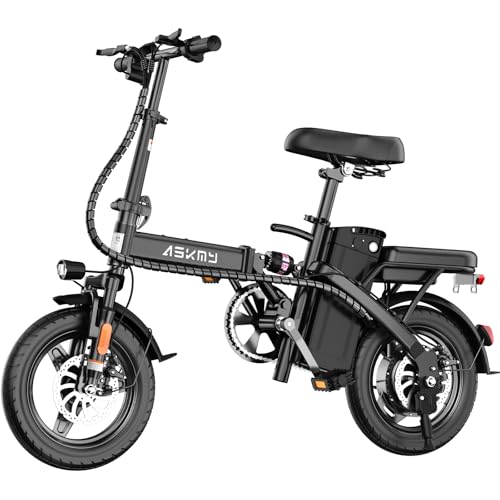
If you live in a small apartment or need to combine cycling with public transit, a folding bike like the Brompton or Dahon Mariner might be the answer. These bikes are compact, lightweight, and easy to store. While they may not offer the same ride quality as full-sized models, modern designs have improved significantly in handling and comfort.
Electric City Bikes (E-Bikes)
E-bikes are gaining popularity among new riders who want assistance on hills or longer commutes. The pedal-assist feature reduces fatigue and makes starting from stops smoother. Models like the Rad Power Bikes RadCity or the VanMoof S3 offer excellent handling and are designed with urban navigation in mind. Just remember that e-bikes are heavier, so test the maneuverability before buying.
Frame Material: What’s Best for You?
The frame is the foundation of your bike, and its material affects weight, durability, comfort, and price. Here’s a breakdown of the most common options:
- Steel: Durable and absorbs road vibrations well, making it comfortable for daily rides. However, it’s heavier than other materials. Ideal for riders prioritizing comfort over speed.
- Aluminum: Lightweight and rust-resistant, aluminum is the most common choice for city bikes. It offers a good balance of strength and affordability. Slightly stiffer than steel, which can mean a harsher ride on rough pavement.
- Carbon Fiber: Rare in city bikes due to cost, but offers excellent vibration damping and light weight. Usually found in higher-end models.
- Titanium: Extremely durable and corrosion-resistant, but expensive. Mostly used in premium custom builds.
For most first-time buyers, aluminum or steel frames offer the best value. Aluminum is great if you need to carry the bike upstairs or onto transit, while steel excels in comfort for longer rides.
Wheel Size and Tire Width: Stability and Comfort
Wheel size and tire width significantly influence how a bike handles in the city. Most city bikes use 700c wheels—the standard for road and hybrid bikes. These offer a smooth ride and good rolling efficiency on pavement.
Some models, especially those designed for rough urban roads or riders who prefer extra stability, use 650b (27.5-inch) wheels. These are slightly smaller and can improve maneuverability in tight spaces.
Tire width matters just as much. Narrow tires (23–28mm) are faster but less stable and more prone to punctures. Wider tires (32–42mm) provide better grip, absorb bumps, and increase comfort. For city riding, aim for at least 32mm width. Tires like the Schwalbe Marathon or Continental Contact are durable and puncture-resistant—ideal for daily use.
Check that the bike has clearance for fenders and racks if you plan to ride in wet weather or carry bags. Many city bikes come with these pre-installed or have mounting points.
Gearing: Simplicity vs. Versatility
Gears help you manage hills and varying speeds, but too many can confuse new riders. For flat cities, a single-speed or 3-speed internal hub bike may be all you need. These are low-maintenance and easy to operate—just pedal and go.
If your route includes hills or longer distances, consider a bike with a derailleur system. Most city hybrids come with 7 to 9 speeds, which is plenty for urban terrain. Avoid bikes with excessive gears (18+), as they add complexity without real benefit for city riding.
Internal gear hubs, like those from Shimano or Rohloff, are sealed and require less maintenance. They’re ideal for commuters who want reliability in all weather. However, they’re heavier and more expensive to repair if something goes wrong.
Brakes: Safety First
Reliable brakes are non-negotiable, especially in stop-and-go traffic. There are three main types found on city bikes:
- Rim Brakes (Caliper or V-Brake): Lightweight and easy to maintain, but less effective in wet conditions. Common on entry-level hybrids.
- Disc Brakes (Mechanical or Hydraulic): Offer superior stopping power in all weather. Hydraulic discs require less hand effort and are more responsive. Becoming standard on mid-range and higher city bikes.
- Coaster Brakes: Found on some single-speed bikes, activated by pedaling backward. Simple but less effective for quick stops and not suitable for hills.
For new cyclists, disc brakes are the safest choice. They provide consistent performance whether it’s dry or raining. If budget is a concern, mechanical disc brakes are a good compromise between cost and performance.
Comfort Features That Make a Difference
City riding often involves short trips with frequent stops, so comfort features can greatly enhance your experience. Look for these elements:
- Saddle: A well-padded, ergonomic saddle is essential. Many city bikes come with suspension seatposts or gel saddles for extra cushioning. Test the saddle during your ride—what feels soft in the shop may cause discomfort after 20 minutes.
- Handlebars: Flat or riser handlebars promote an upright posture. Some models offer ergonomic grips or integrated brake levers for easier control.
- Suspension: A front suspension fork can absorb bumps, but it adds weight and maintenance. For smooth city streets, a rigid fork is often better. Some bikes use suspension seatposts instead for targeted comfort.
- Step-Through Frames: These allow easier mounting and dismounting, especially in traffic or when wearing casual clothing. Great for riders who value convenience.
Also consider accessories: built-in lights, bell, kickstand, and chain guard. These small details improve safety and practicality.
How to Test Ride Like a Pro
A test ride is the best way to evaluate handling and comfort. Follow these steps to make the most of it:
- Check the fit: Stand over the bike. There should be 1–2 inches of clearance between the top tube and your body for a step-through frame, or 2–4 inches for a traditional frame.
- Adjust the saddle: Your leg should have a slight bend at the bottom of the pedal stroke. Too high or too low affects control and comfort.
- Ride in different conditions: If possible, ride on pavement, gravel, and inclines. Test braking, turning, and starting from a stop.
- Evaluate handling: Does the bike feel stable at low speeds? Can you make quick turns without wobbling? Is steering responsive but not twitchy?
- Check for noise or vibration: Listen for creaks or rattles, especially when braking or shifting.
Don’t rush the test. Spend at least 10–15 minutes on each bike. Bring a backpack or bag to simulate real-world use.
Budget Considerations: What to Expect
City bikes range widely in price. Here’s a realistic breakdown:
| Price Range | What You Get | Best For |
|---|---|---|
| $300–$500 | Basic aluminum frame, rim brakes, 7-speed drivetrain, minimal accessories | Occasional riders, flat cities, short commutes |
| $500–$800 | Better components, disc brakes, wider tires, fender/rack mounts | Daily commuters, mixed terrain |
| $800–$1,200 | Internal gear hubs, high-quality disc brakes, ergonomic features, lights | Frequent riders, hilly areas, all-weather use |
| $1,200+ | Premium materials, advanced e-bike systems, custom fit, top-tier components | Serious commuters, long distances, tech enthusiasts |
Investing $600–$900 typically gets you a reliable, well-equipped city bike that will last for years. Avoid the cheapest models—they often use poor-quality parts that wear out quickly.
Maintenance Tips to Keep Your Bike Running Smoothly
Even the best bike needs regular care. Here’s how to keep yours in top shape:
- Lubricate the chain: Every 100–200 miles or after riding in the rain.
- Check tire pressure: Weekly. Proper inflation improves handling and prevents flats.
- Inspect brakes: Ensure pads aren’t worn and cables are tight.
- Tighten bolts: Especially after the first few rides, as parts settle.
- Clean regularly: Wipe down the frame and drivetrain to prevent rust and grime buildup.
Most local bike shops offer tune-up packages. A basic service every 6–12 months is a smart investment.
Final Checklist Before You Buy
Before making your purchase, run through this quick checklist:
- ✅ Does the bike fit your body size?
- ✅ Is the handling stable and predictable?
- ✅ Are the brakes effective and easy to use?
- ✅ Can you comfortably reach the handlebars and pedals?
- ✅ Does it have the features you need (lights, rack, fenders)?
- ✅ Is it within your budget, including potential accessories?
- ✅ Have you test ridden it in real-world conditions?
Taking the time to evaluate these factors will help you avoid buyer’s remorse and ensure a positive cycling experience.
Conclusion
Choosing the right city bicycle doesn’t have to be complicated. By focusing on handling, comfort, and practical features, first-time buyers can find a bike that’s safe, enjoyable, and built for urban life. This complete bicycle buying guide has covered everything from frame materials and gearing to test rides and maintenance—giving you the knowledge to make a confident decision. Remember, the best bike is the one you’ll actually ride. Prioritize fit, ease of use, and reliability, and you’ll be navigating the city with confidence in no time.
FAQ
Q: What’s the most important feature for a first-time city cyclist?
A: Handling is the most critical factor. A bike that feels stable and responsive at low speeds helps new riders build confidence, especially in traffic or when making quick stops.
Q: Should I buy a single-speed or multi-speed city bike?
A: It depends on your route. For flat areas and short commutes, a single-speed is simple and low-maintenance. If you face hills or longer distances, a 7–9 speed bike offers better versatility.
Q: Are e-bikes worth it for new cyclists?
A: Yes, if you need help with hills, fatigue, or longer commutes. E-bikes make starting and stopping easier, which improves handling and reduces strain. Just ensure the model you choose has good maneuverability.
Related keywords: Complete bicycle buying guide for choosing the right city bicycle for first-time buyers with a focus on handling for new cyclists.
