

Expert Bicycle Buying Tips for Selecting the Best Electric Bicycle for Urban Cyclists with a Focus on Visibility for New Cyclists Leave a comment
Expert Bicycle Buying Tips for Selecting the Best Electric Bicycle for Urban Cyclists with a Focus on Visibility for New Cyclists
Choosing the right electric bicycle as a new urban cyclist can feel overwhelming—especially when safety and visibility are top priorities. The best e-bikes for city riding combine reliable performance, practical features, and strong visibility enhancements to help you stay seen in traffic. This guide delivers expert bicycle buying tips tailored specifically for urban riders who are just getting started, with a clear emphasis on visibility features that make a real difference in real-world conditions. Whether you’re commuting to work, running errands, or exploring your city, these insights will help you make a confident, informed decision.

Why Visibility Matters for Urban E-Bike Riders
Urban environments present unique challenges: congested streets, unpredictable drivers, pedestrians, and low-light conditions during early mornings or evenings. For new cyclists, being seen is just as important as seeing the road ahead. Poor visibility increases the risk of accidents, especially at intersections or when merging into traffic. An e-bike equipped with high-quality lighting, reflective elements, and smart design features significantly improves your presence on the road.
Studies and traffic safety reports consistently show that cyclists with active lighting and reflective gear are far less likely to be involved in collisions. In cities like Amsterdam and Copenhagen, where cycling infrastructure is advanced, visibility remains a core component of rider safety protocols. Even in less bike-friendly cities, making yourself conspicuous can mean the difference between a close call and a collision.
Key Visibility Features to Look for in an Urban E-Bike
When evaluating electric bicycles, prioritize models that integrate visibility from the ground up. Here are the most effective features to consider:
- Integrated LED Lighting: Look for e-bikes with built-in front and rear lights powered by the main battery. These are more reliable than clip-on lights, which can fall off or run out of power. A bright front light (at least 200 lumens) helps illuminate the road, while a rear light with a steady or pulsing mode increases your visibility from behind.
- Reflective Tires and Sidewalls: Some e-bike tires include reflective strips along the sidewalls. These catch headlight beams and make your wheels visible from the side—critical when crossing intersections.
- Reflective Frame Accents: Bikes with reflective decals or paint on the frame, fork, or seat post add passive visibility without requiring batteries.
- Turn Signals and Brake Lights: Higher-end urban e-bikes may include brake-activated rear lights or even turn signals. While not standard, these features are becoming more common and greatly enhance communication with drivers.
- Bright or High-Contrast Color Options: Choose a bike in a light or neon color (like white, yellow, or orange) rather than black or dark gray. A lighter frame naturally stands out in urban environments.
Top E-Bike Categories for Urban Commuting
Not all electric bicycles are created equal for city use. The ideal urban e-bike balances comfort, range, maneuverability, and safety. Here are the most suitable types:
1. City/Commuter E-Bikes
Designed specifically for urban environments, these bikes feature upright riding positions, fenders, chain guards, and mounting points for racks and baskets. Models like the Rad Power Bikes RadCity or Trek Verve+ 2 offer integrated lights, puncture-resistant tires, and step-through frames that make mounting and dismounting easy—ideal for new riders.
2. Folding E-Bikes
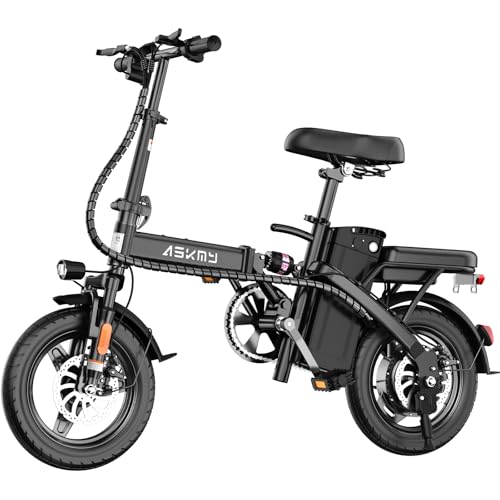
Perfect for mixed-mode commuting (bike + public transit), folding e-bikes like the Brompton Electric or Tern Vektron are compact and portable. Many include built-in lights and reflective elements, though their smaller wheels can reduce stability at higher speeds. Great for short urban trips or apartment dwellers with limited storage.
3. Hybrid E-Bikes
These blend features of road and mountain bikes, offering versatility for both paved streets and light trails. The Specialized Turbo Vado SL is a standout example, with a lightweight frame, integrated lighting, and a responsive motor ideal for stop-and-go traffic.
Motor and Battery Considerations for City Riding
The motor and battery system directly impact your riding experience, especially in stop-and-go traffic. For urban use, a mid-drive motor is often preferable because it balances weight and provides natural pedal assistance. Hub motors, while simpler and often less expensive, can feel unbalanced on lighter frames.
Battery range is another key factor. Most urban commutes are under 15 miles round-trip, so a 400–500Wh battery is usually sufficient. However, if you plan to ride in hilly areas or carry heavy loads, consider a 600Wh+ battery for extra range. Always check real-world range estimates—manufacturer claims can be optimistic under ideal conditions.
Frame Design and Fit for New Cyclists
A proper fit is essential for control, comfort, and safety. New riders should prioritize step-through frames, which allow easy mounting and dismounting—especially useful when stopping frequently at traffic lights or intersections. These frames also accommodate a wider range of clothing, including dresses and suits.
Frame material matters too. Aluminum is lightweight, rust-resistant, and common in mid-range e-bikes. Steel frames are more durable and absorb road vibrations better but add weight. Carbon fiber is rare in urban e-bikes due to cost and fragility concerns.
When test-riding, ensure you can touch both feet flat on the ground while seated. This improves confidence and control at low speeds. Adjustable stems and handlebars can help fine-tune your position for comfort over longer rides.
Braking Systems: Safety First in Traffic
Reliable brakes are non-negotiable in urban settings. Disc brakes—especially hydraulic disc brakes—offer superior stopping power in wet or stop-and-go conditions compared to rim brakes. They perform consistently regardless of wheel rim wear or weather, making them ideal for city riding.
Look for e-bikes with regenerative braking (available on some models), which can slightly extend battery life by converting braking energy back into charge. While the effect is modest, it’s a nice bonus for efficiency-minded riders.
Tires and Suspension for City Surfaces
Urban roads are rarely perfect. Potholes, debris, and uneven pavement are common. Choose e-bikes with wider tires (at least 1.75 inches) for better grip and shock absorption. Puncture-resistant tires with reinforced casings, like those from Schwalbe or Continental, reduce the risk of flats from glass or nails.
Front suspension forks can improve comfort on rough streets, but they add weight and maintenance. For most city riders, a rigid fork with wide tires offers the best balance of efficiency and comfort. Full suspension is unnecessary and typically found on off-road e-bikes.
Accessories That Enhance Visibility and Utility
Even the best e-bike can be improved with smart accessories. Here are must-haves for new urban cyclists:
- Helmet with Integrated Lights: Helmets like the Lumos Ultra include front and rear LEDs, increasing your visibility from all angles.
- Reflective Vest or Jacket: Lightweight and packable, these make you highly visible in low light. Choose one with side and back reflectivity.
- Bike Bell or Horn: A loud, clear signal helps alert pedestrians and drivers. Electronic horns are more effective than traditional bells in noisy environments.
- Rearview Mirror: Handlebar or helmet-mounted mirrors let you monitor traffic without turning your head, improving situational awareness.
- Phone Mount with Navigation: A secure mount allows you to use GPS apps safely. Choose one with vibration damping to protect your device.
Budget Considerations and Value for Money
E-bikes range from under $1,000 to over $5,000. For new urban cyclists, a budget of $1,500–$2,500 typically offers the best balance of quality, features, and durability. At this price point, you can find models with integrated lighting, reliable motors, and good warranties.
Avoid extremely cheap e-bikes (under $800), as they often use low-quality batteries, weak motors, and minimal safety features. These may save money upfront but can lead to higher long-term costs due to repairs or replacements.
Consider total cost of ownership: maintenance, battery replacement (every 500–1,000 charges), and potential upgrades. Brands like Rad Power Bikes, Aventon, and Lectric offer strong value with good customer support and accessible service networks.
Where to Buy and What to Ask
Purchasing from a reputable dealer or direct-from-manufacturer retailer ensures you get accurate information, proper assembly, and warranty support. Local bike shops may offer test rides and personalized advice, while online brands often provide better pricing and home delivery.
Before buying, ask:
- Is the bike shipped fully assembled or does it require setup?
- What is the return policy if the bike doesn’t fit or meet expectations?
- Are replacement parts and service available locally?
- Does the warranty cover the battery and motor for at least two years?
Final Checklist: Expert Bicycle Buying Tips for Urban E-Bikes
Before making your purchase, run through this quick checklist to ensure you’re choosing a safe, visible, and practical e-bike:
- ✅ Integrated front and rear lights (battery-powered)
- ✅ Reflective elements on tires, frame, or accessories
- ✅ Upright or step-through frame for easy mounting
- ✅ Hydraulic or mechanical disc brakes
- ✅ Puncture-resistant tires, 1.75″ or wider
- ✅ Battery range of at least 30 miles under real-world conditions
- ✅ Motor power between 250W and 750W (check local regulations)
- ✅ Test ride completed for comfort and control
- ✅ Helmet and reflective gear planned or purchased
Common Mistakes to Avoid
New cyclists often make these errors when buying their first e-bike:
- Ignoring fit: A bike that’s too big or small reduces control and increases fatigue.
- Overlooking lighting: Relying solely on streetlights or clip-on lights is risky. Integrated systems are more reliable.
- Choosing based on price alone: The cheapest option often lacks essential safety features.
- Skipping the test ride: Always try before you buy—comfort and handling vary widely between models.
- Neglecting local laws: Some cities restrict e-bike speed, motor power, or require helmets and lights. Check regulations before purchasing.
Conclusion: Ride Confidently with the Right E-Bike
Selecting the best electric bicycle for urban cycling doesn’t have to be complicated. By focusing on visibility, safety, and practical features, new cyclists can find an e-bike that enhances their confidence and enjoyment on the road. Use these expert bicycle buying tips to evaluate options, prioritize visibility, and choose a model that fits your lifestyle and budget. With the right bike, urban cycling becomes not just safer, but more convenient and enjoyable.
FAQ
What is the most important visibility feature on an urban e-bike?
The most important visibility feature is a bright, integrated front and rear light system powered by the bike’s battery. These ensure you’re seen in low-light conditions and are more reliable than removable lights.
Can I add visibility features to any e-bike?
Yes, you can enhance visibility with aftermarket lights, reflective tape, helmets with built-in LEDs, and reflective clothing. However, choosing a bike with built-in features from the start is more convenient and often more effective.
Are folding e-bikes safe for city commuting?
Yes, folding e-bikes are safe for city use if they include proper lighting, disc brakes, and sturdy construction. They’re ideal for short commutes and mixed-mode travel but may feel less stable at high speeds due to smaller wheels.
