

Road Cycling Guide for Climbing, Descending, and Pacing More Efficiently with a Focus on Storage for Weekend Rides Leave a comment
Road Cycling Guide for Climbing, Descending, and Pacing More Efficiently with a Focus on Storage for Weekend Rides
Whether you’re tackling mountain passes or rolling hills on your weekend ride, mastering climbing, descending, and pacing can transform your performance and enjoyment. This road cycling guide for climbing, descending, and pacing more efficiently offers practical strategies to help you ride smarter—especially when carrying gear. From body positioning and gear selection to smart storage solutions, we’ll cover everything you need to ride longer, safer, and more comfortably. You’ll learn how to conserve energy on climbs, maintain control at speed on descents, and optimize your bike setup for weekend adventures without compromising efficiency.
Why Efficient Climbing, Descending, and Pacing Matter
Efficiency on the bike isn’t just about speed—it’s about sustainability. Poor pacing leads to early fatigue, while improper climbing or descending techniques increase risk and reduce control. Weekend riders often face longer distances with variable terrain, making energy management and bike handling critical. Efficient climbing conserves glycogen stores, smooth descending reduces brake wear and crash risk, and consistent pacing prevents burnout. When you add storage for snacks, tools, and extra layers, proper load distribution becomes essential to maintain balance and aerodynamics.
Mastering the Climb: Technique and Gear Selection
Climbing efficiently starts with understanding your effort distribution. Many riders make the mistake of attacking hills too hard too early, only to fade halfway up. Instead, aim for a steady, sustainable power output.
Optimal Body Position
- Seated climbing: Stay on the saddle with hands on the hoods or tops. Keep your back flat, core engaged, and pedal stroke smooth. This position is most efficient for sustained climbs under 8% gradient.
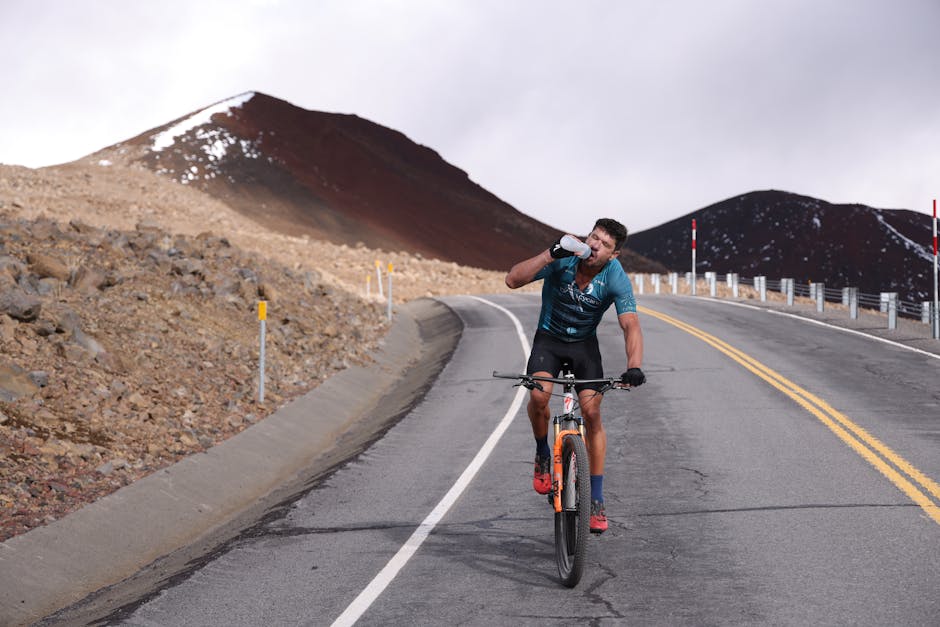
- Standing climbing: Use when gradients exceed 10% or when you need a power burst. Shift your weight forward, keep one pedal at 2 o’clock, and drive down through the leg. Alternate sides every 30–60 seconds to avoid muscle fatigue.
Gear and Cadence Strategy
Maintain a cadence of 70–90 RPM to preserve muscle endurance. Shift early—don’t wait until you’re straining. A compact crankset (50/34T) paired with an 11-32T cassette offers a wide range for steep climbs. For example, on a 10% grade, a 34×32 gear gives you a low enough ratio to spin comfortably without mashing.
Breathing and Mental Focus
Control your breathing: inhale through the nose, exhale through the mouth. Break long climbs into segments—focus on reaching the next bend or landmark. This mental pacing prevents overwhelm and keeps effort consistent.
Safe and Confident Descending
Descending is where many riders lose time—or worse, lose control. Speed amplifies mistakes, so technique is paramount.
Body Positioning for Stability
- Move your weight back and lower your center of gravity by bending elbows and knees.
- Hands on the drops for maximum brake control and aerodynamics.
- Look ahead, not at your front wheel—your body follows your gaze.
Brake Technique
Use both brakes evenly. The front brake provides 70% of stopping power, but abrupt application can cause skidding or endos. Feather the brakes in long descents to avoid overheating rims or discs. On wet roads, reduce speed earlier and avoid sharp turns.
Corner Entry and Exit
Approach corners from the outside, lean the bike (not your body), and exit toward the outside. Look through the turn to where you want to go. Avoid braking mid-corner—slow down before entering.
Example: On a 60 km/h descent into a hairpin, begin braking 100 meters out, shift weight back, and take the turn at 35–40 km/h depending on road conditions.
Pacing Strategies for Endurance and Recovery
Pacing is the difference between finishing strong and limping home. Weekend rides often span 80–160 km, requiring careful energy management.
Use a Power Meter or Heart Rate Monitor
If available, aim for 60–75% of your functional threshold power (FTP) on flat sections and 80–90% on climbs. Without a meter, use perceived exertion: you should be able to speak in short sentences.
Fuel and Hydrate Early
Consume 30–60 grams of carbohydrates per hour after the first 45 minutes. Drink 500–750 ml of water per hour, more in heat. Example: On a 4-hour ride, plan for two energy gels, a banana, and 1.5 liters of fluid.
Group Riding Pacing
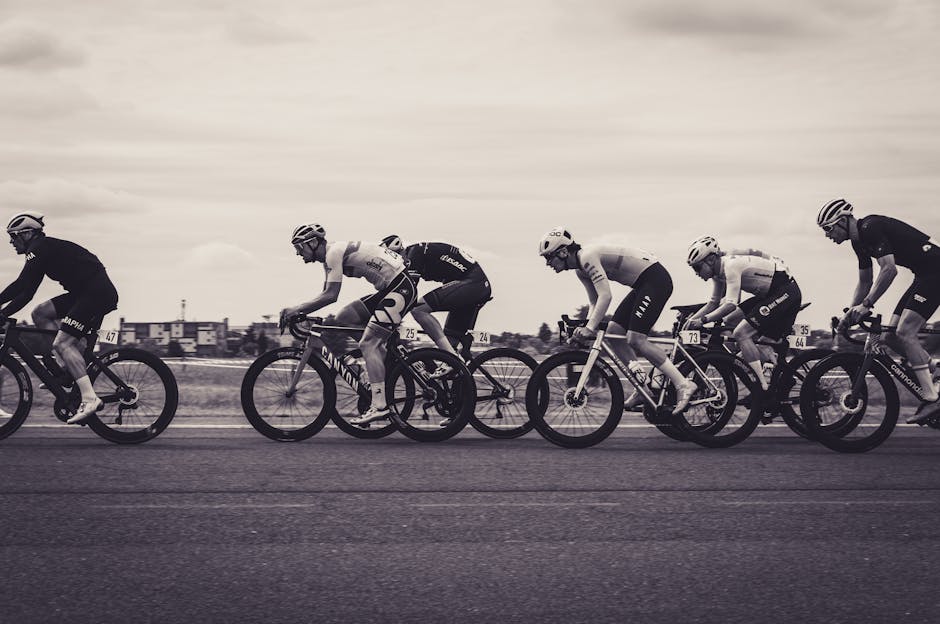
In a paceline, rotate every 30–60 seconds to share wind resistance. Stay close (1–2 bike lengths) but avoid overlapping wheels. Communicate clearly: call out “car back,” “hole,” or “slowing.”
Storage Solutions for Weekend Rides
Carrying gear shouldn’t compromise your ride quality. Poorly placed weight affects handling, especially on climbs and descents. The goal is to keep the bike balanced and aerodynamic.
Frame Bags: The Unsung Hero
Frame bags fit inside the main triangle and are ideal for tools, snacks, and a lightweight jacket. They keep weight low and centered, improving stability. Look for water-resistant materials and easy-access zippers. A 2-liter frame bag can hold a multi-tool, spare tube, CO2 inflator, and energy bars without shifting during climbs.
Top Tube Bags for Quick Access
Perfect for phones, keys, or gels. Choose a slim profile to avoid knee interference. Magnetic or zippered closures work best—avoid Velcro that wears out.
Seat Pack vs. Saddle Bag
For lightweight storage, a small saddle bag (under 1 liter) holds a tube and levers. For longer rides, a seat pack (1.5–3 liters) adds space for a rain shell or extra layers. Ensure it’s securely fastened to prevent swaying on descents.
Handlebar Bags: Use with Caution
Handlebar bags lift the front end and can affect steering. Only use them for light items like snacks or a phone. Avoid heavy loads—over 1 kg can make the bike twitchy at speed.
Hydration: Bottle Placement Matters
Use two bottle cages: one on the downtube, one on the seat tube. This balances weight and keeps fluids accessible. For longer rides, consider a 750ml bottle on the downtube and a 500ml on the seat tube. Insulated bottles help in hot weather.
Putting It All Together: A Sample Weekend Ride Plan
Imagine a 120 km ride with 1,500 meters of climbing—typical of a hilly weekend route. Here’s how to apply the guide:
- Pre-ride: Pack a 2L frame bag with tools, two tubes, CO2, and three energy bars. Attach a 1.5L seat pack with a lightweight rain jacket. Fill two bottles with electrolyte mix.
- Climbing: Maintain 80 RPM on a 34×28 gear. Stay seated on 6% grades, stand briefly on 10% sections. Take 30-second standing breaks every 5 minutes.
- Descending: Shift weight back, use both brakes, and look ahead. Reduce speed before corners. Keep hands on drops.
- Pacing: Ride at 70% effort for first 60 km, increase to 80% on climbs. Eat a gel every 45 minutes. Drink 200 ml every 20 minutes.
- Post-ride: Refuel within 30 minutes with 3:1 carbs to protein ratio (e.g., chocolate milk and a banana).
Common Mistakes to Avoid
- Overpacking: Every extra 500 grams affects climbing efficiency. Only carry essentials.
- Poor weight distribution: Heavy seat packs can make the rear end sluggish. Keep weight centered.
- Ignoring tire pressure: Lower pressure (within range) improves grip on descents. Check PSI before every ride.
- Skipping warm-up: Start with 10 minutes of easy spinning to prepare muscles and cardiovascular system.
Final Thoughts
A well-executed ride combines physical skill, smart planning, and the right gear. This road cycling guide for climbing, descending, and pacing more efficiently emphasizes technique and preparation—especially when storage is involved. By mastering body position, pacing, and load management, you’ll ride farther, safer, and with more enjoyment. Whether you’re chasing personal bests or simply exploring new routes, these strategies will serve you well on every weekend adventure.
FAQ
What’s the best way to carry tools without affecting bike handling?
Use a frame bag inside the main triangle. It keeps weight low and centered, minimizing impact on climbing and descending stability.
How can I improve my climbing endurance without a power meter?
Focus on cadence (70–90 RPM) and perceived exertion. Practice seated climbing on moderate gradients and take short standing breaks to relieve muscle fatigue.
Is it safe to use a handlebar bag on fast descents?
Only if it’s lightweight (under 1 kg) and securely mounted. Heavy or loose bags can destabilize the front end at speed.
