
Road Cycling Tips for Riding Faster, Safer, and More Efficiently with a Focus on Handling for Weekend Rides Leave a comment
Road Cycling Tips for Riding Faster, Safer, and More Efficiently with a Focus on Handling for Weekend Rides
Whether you’re gearing up for a Saturday morning group ride or tackling a solo loop through rolling hills, mastering road cycling tips for riding faster, safer, and more efficiently can transform your weekend experience. The key lies not just in fitness or gear, but in refined handling skills that boost confidence and control. From cornering techniques to body positioning and bike setup, small adjustments make a big difference when speed, safety, and efficiency matter most.
Why Handling Matters More Than You Think
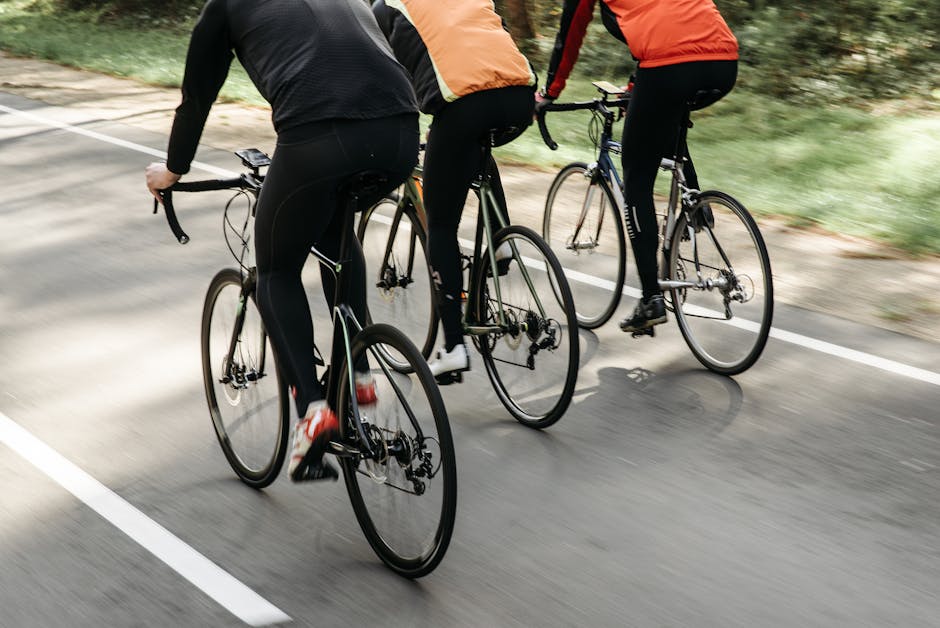
Many cyclists focus on power output or aerodynamics when trying to go faster, but handling is the unsung hero of efficient road riding. Smooth, predictable control allows you to carry speed through turns, react quickly to road hazards, and maintain momentum without unnecessary braking. On weekend rides—often on unfamiliar roads or in mixed traffic—strong handling skills reduce fatigue and lower the risk of accidents.
Consider this: a rider who brakes late into every corner loses precious seconds and wears down their body with abrupt movements. In contrast, someone who reads the road ahead, leans confidently into curves, and maintains a steady line saves energy and rides more fluidly. That’s the difference handling makes.
Master the Fundamentals of Bike Handling
1. Optimize Your Body Position
Your posture on the bike directly affects balance, steering, and power transfer. For efficient handling:
- Elbows slightly bent: This acts as a natural suspension system, absorbing bumps without transferring shock to your upper body.
- Shoulders relaxed: Tension in your shoulders leads to stiff steering and reduced responsiveness.
- Core engaged: A stable core helps you shift weight smoothly during turns and climbs.
- Head up, eyes forward: Look 10–15 meters ahead to anticipate road conditions, not down at your front wheel.
A common mistake is gripping the handlebars too tightly. Think of your hands as “hooks” rather than clamps—firm enough to steer, but relaxed to allow micro-adjustments.
2. Cornering with Confidence
Cornering is where many weekend riders lose time or feel uneasy. Follow these steps for smoother, faster turns:
- Brake before the turn: Slow down on the straight, not while leaning. Braking mid-corner reduces traction and increases skid risk.
- Look through the turn: Focus on your exit point, not the inside of the curve. Your bike naturally follows your gaze.
- Lean the bike, not your body: Shift your hips slightly inward while keeping your torso upright. This maintains better balance and control.
- Apply steady pressure on the outside pedal: This lowers your center of gravity and improves grip.
- Accelerate gently on exit: Gradually increase power as you straighten out to avoid wheel slip.
For example, on a 90-degree right-hand bend, begin braking 30 meters out, ease off the brakes as you enter, and begin accelerating once you’re past the apex. Practice on quiet roads until the motion feels natural.
3. Master Descending Techniques
Downhills are where speed builds quickly—and where poor handling can lead to trouble. Stay safe and efficient with these tips:
- Move your weight back: Slide your hips toward the rear of the saddle to keep the front wheel grounded.
- Use both brakes evenly: The front brake provides 70% of stopping power, but use it progressively to avoid going over the bars.
- Keep a wide stance: Lower your center of gravity by bending your knees and elbows.
- Avoid sudden movements: Smooth inputs prevent wobbles or loss of control at high speed.
On a steep descent, imagine your body as a tripod: hands on the hoods or drops, feet planted, core tight. This stability lets you focus on the road, not your fear.
Improve Efficiency Through Smart Riding Habits
Ride in the Draft When Possible
On group rides, riding in the draft (also called “sitting on”) can reduce wind resistance by up to 30%, saving significant energy. Stay 30–50 cm behind the rider in front, match their pace, and avoid overlapping wheels. Communicate clearly with hand signals or verbal cues before changing position.
Note: Drafting requires trust and predictability. Only ride close to others if you’re confident in their line and speed.
Maintain a Steady Cadence
Efficient pedaling isn’t about maxing out your gears—it’s about rhythm. Aim for a cadence of 80–95 RPM on flat terrain. Use easier gears on climbs to preserve momentum and reduce strain on your knees. A smooth, consistent pedal stroke wastes less energy than jerky, high-torque efforts.
Example: On a 5% gradient, shift down early and keep spinning at 75 RPM rather than grinding in a big gear at 50 RPM. You’ll arrive at the top less fatigued and ready to accelerate.
Minimize Unnecessary Braking
Every time you brake, you lose speed that takes energy to regain. Instead, anticipate slowdowns early. Ease off the pedals before stop signs, traffic lights, or tight turns. This “feathering” technique keeps you moving efficiently without sudden stops.
On a winding country road, scan ahead for driveways, potholes, or parked cars. Adjust your line early so you don’t need last-second corrections.
Essential Gear and Setup for Better Handling
Your bike’s setup plays a crucial role in how it responds to your inputs. Even small tweaks can improve control and comfort.
Tire Pressure and Tread
Proper tire pressure is critical for grip and efficiency. Too high, and you lose traction on rough surfaces; too low, and you increase rolling resistance and risk pinch flats. Use this guideline:
| Rider Weight | Recommended Pressure (psi) |
|---|---|
| 60–70 kg | 90–100 (front), 95–105 (rear) |
| 70–80 kg | 95–105 (front), 100–110 (rear) |
| 80–90 kg | 100–110 (front), 105–115 (rear) |
Adjust based on road conditions: reduce pressure slightly on wet or gravelly surfaces for better grip. Tubeless tires allow lower pressures without pinch flats—consider upgrading if you ride frequently.
Handlebar and Saddle Position
A proper fit ensures you can reach the brakes and shifters comfortably while maintaining control. Your handlebars should be level or slightly below saddle height for a balanced position. If you’re stretching too far, consider a shorter stem. If your back aches on long rides, your reach may be too long.
Check that your brake levers are angled so your wrists stay straight when braking. This improves leverage and reduces hand fatigue.
Brake and Gear Maintenance
Well-maintained components respond predictably. Inspect brake pads monthly for wear and alignment. Replace cables if shifting feels sluggish. A poorly tuned drivetrain can cause unexpected gear slips, especially under load—dangerous on descents or in traffic.
Carry a basic multitool on weekend rides to make minor adjustments if needed.
Safety Practices for Weekend Road Riding
Speed and efficiency mean little if you’re not riding safely. Weekend roads often include traffic, pedestrians, and unpredictable surfaces.
Visibility and Communication
Wear bright, reflective clothing and use front and rear lights—even during the day. A flashing white front light and steady red rear light make you visible from over 200 meters away.
Use hand signals to indicate turns or stops:
- Left arm straight out = left turn
- Left arm bent down = right turn (or use right arm straight out)
- Left arm bent up = slowing or stopping
Verbal cues like “car back” or “slowing” help group riders stay coordinated.
Road Surface Awareness
Gravel, potholes, wet leaves, and manhole covers can cause slips or crashes. Scan the road constantly and avoid riding directly over hazards. If you must cross a slippery patch, do so at a perpendicular angle and avoid braking.
On rainy days, reduce speed by 20–30% and increase following distance. Wet roads reduce tire grip significantly.
Ride Predictably
Motorists and other cyclists can’t react to sudden moves. Signal early, hold a steady line, and avoid swerving unless necessary. When passing parked cars, leave at least a meter of space to avoid opening doors.
Practice Makes Progress: Drills to Improve Handling
Like any skill, bike handling improves with deliberate practice. Try these drills on quiet roads or empty parking lots:
- Slow-speed balance: Ride in a straight line at 5–8 km/h, focusing on smooth steering and minimal body movement. Builds core stability.
- Figure-eight turns: Set up two cones 10 meters apart and ride continuous figure-eights. Improves cornering precision and weight shifting.
- Emergency stop: From 20 km/h, brake firmly but smoothly to a stop. Practice using both brakes evenly to avoid skidding.
- Obstacle slalom: Weave through cones spaced 3 meters apart. Enhances steering control and confidence in tight spaces.
Spend 10–15 minutes on these drills once a week. Over time, they become second nature.
Final Thoughts: Ride Smarter, Not Just Harder
The best road cyclists aren’t always the strongest—they’re the ones who ride with control, awareness, and efficiency. By focusing on handling, you’ll not only go faster and safer but also enjoy your weekend rides more. These road cycling tips for riding faster, safer, and more efficiently aren’t about overhauling your routine. They’re about refining the details: how you corner, how you brake, how you position your body, and how you read the road.
Start with one or two techniques, practice consistently, and build from there. Your bike will feel more responsive, your rides more fluid, and your confidence will grow with every mile.
FAQ
How can I improve my cornering speed without risking a fall?
Focus on braking before the turn, looking through the curve, and leaning the bike while keeping your body upright. Practice on dry, empty roads and gradually increase speed as your confidence builds.
What’s the ideal tire pressure for mixed road conditions?
It depends on your weight and tire width, but a general range is 90–110 psi for most riders. Reduce pressure by 5–10 psi on wet or rough surfaces for better grip.
Should I ride in the drops or on the hoods for better control?
Use the drops for descents, high-speed sections, or windy conditions—they offer better leverage and a lower center of gravity. Ride on the hoods for general climbing, cruising, and when you need quick access to brakes and shifters.
