
Road Cycling Guide to Handling Wind, Traffic, and Changing Road Surfaces with a Focus on Durability for Weekend Rides Leave a comment
Road Cycling Guide to Handling Wind, Traffic, and Changing Road Surfaces with a Focus on Durability for Weekend Rides
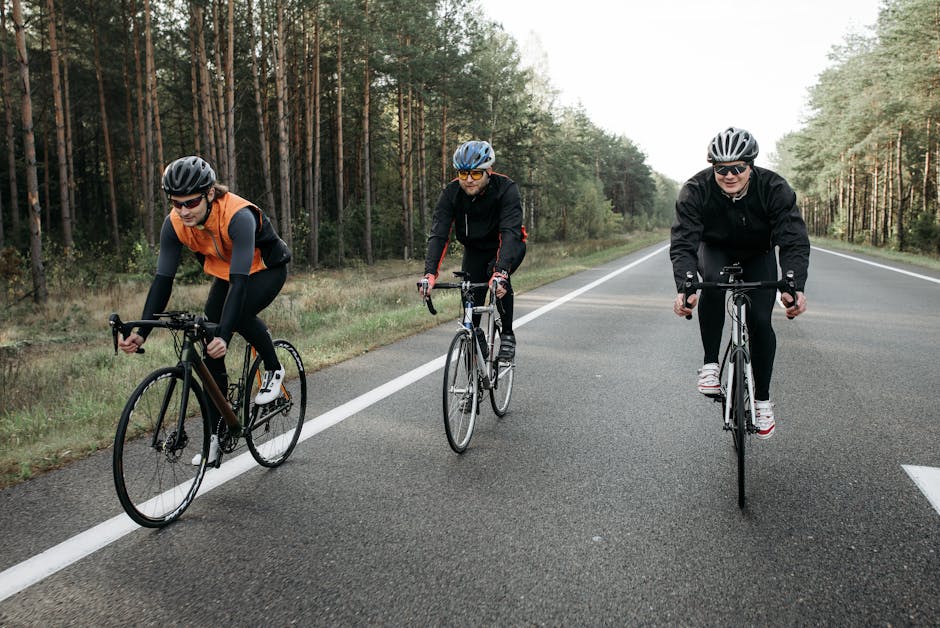
Weekend road cycling offers freedom, fitness, and fresh air—but it also brings real-world challenges like headwinds, unpredictable traffic, and shifting road surfaces. A solid road cycling guide to handling wind, traffic, and changing road surfaces with a focus on durability for weekend rides isn’t just helpful; it’s essential for safety, comfort, and long-term enjoyment. Whether you’re commuting, training, or exploring scenic routes, knowing how to adapt your technique and equipment can make the difference between a frustrating slog and a smooth, rewarding ride. This guide breaks down practical strategies for managing each of these common obstacles while prioritizing bike and rider durability.
Understanding the Core Challenges of Weekend Road Cycling
Unlike controlled indoor training or closed-course events, weekend rides happen in the real world—where conditions are rarely ideal. Wind resistance increases exponentially with speed, traffic introduces sudden hazards, and road surfaces can shift from smooth asphalt to gravel, potholes, or wet debris without warning. Each of these factors affects not only your performance but also the wear and tear on your bike and body.
Durability matters because weekend cyclists often ride longer distances on varied terrain with less frequent maintenance than competitive riders. A chain that slips on a climb, a tire that blows out on a descent, or a frame stressed by repeated impacts can end a ride—or worse, lead to injury. The goal isn’t just to survive these conditions, but to ride through them efficiently and sustainably.
Why Durability Should Be a Priority
Durability in this context means choosing gear, techniques, and routes that minimize unnecessary strain on both rider and machine. It’s about anticipating problems before they happen. For example, a lightweight carbon wheel may save grams, but it’s more vulnerable to crosswinds and road debris than a slightly heavier, reinforced alloy wheel. Similarly, riding in the wrong gear into a headwind can fatigue muscles prematurely and increase joint stress.
By focusing on durability, you extend the life of your components, reduce repair costs, and build resilience over time. This approach is especially valuable for weekend riders who may not have access to professional support mid-ride.
Mastering Wind: Positioning, Pacing, and Bike Setup
Wind is one of the most unpredictable and energy-sapping elements in road cycling. A strong headwind can turn a 20-mile ride into a grueling effort, while crosswinds can destabilize even experienced riders. Tailwinds feel like gifts—but they can lull you into pushing too hard, only to crash when the wind shifts.
Adjusting Your Riding Position
Your body position has a significant impact on wind resistance. In a headwind, lower your torso to reduce your frontal profile. Keep your elbows tucked and your hands on the hoods or drops for better control. Avoid sitting upright—this increases drag and makes steering more difficult.
In crosswinds, stability is key. Widen your stance slightly on the pedals for better balance, and keep your weight centered over the bike. If the wind is strong, consider shifting your body slightly into the wind to counteract its push. Never brake suddenly in a crosswind—this can cause the bike to skid or veer.
Pacing Strategies for Windy Conditions
Pace yourself. It’s tempting to fight a headwind with brute force, but this leads to early fatigue. Instead, maintain a steady, sustainable cadence—ideally between 80 and 95 RPM. Use lower gears to keep spinning rather than mashing big gears.
If you’re riding with others, take turns at the front. Drafting behind another rider can reduce your effort by up to 30%. Rotate regularly to share the workload and prevent burnout.
Bike Setup for Wind Resilience
Wheel choice matters. Deep-section carbon wheels are fast in calm conditions but can act like sails in strong crosswinds. For durability and stability, consider shallower rims (under 40mm) or disc wheels for time trials. Wider tires (25–28mm) at lower pressures (around 70–80 psi) improve grip and comfort without sacrificing too much speed.
Check your bike’s aerodynamics. Remove unnecessary accessories like large water bottle cages or frame bags that catch wind. Ensure your handlebars are secure and your stem is tight—loose components can amplify wobbling in gusty conditions.
Navigating Traffic Safely and Confidently
Traffic is a constant presence on most weekend rides, especially in suburban or urban areas. Unlike wind or road surfaces, traffic involves human behavior—unpredictable, fast-moving, and sometimes careless. Staying safe means being visible, predictable, and proactive.
Visibility and Communication
Wear bright, reflective clothing—even on sunny days. Use front and rear lights, even during daylight. A steady white front light and a blinking red rear light make you more noticeable to drivers.
Use hand signals clearly and early. Point left or right when turning, and extend your arm down to signal a stop. Make eye contact with drivers at intersections whenever possible. Assume that drivers don’t see you until you’re certain they do.
Riding Predictably
Ride in a straight line and avoid sudden movements. Stay at least three feet from parked cars to avoid opening doors. Use bike lanes when available, but don’t rely on them completely—many are poorly maintained or filled with debris.
At intersections, position yourself in the center of the lane if you’re turning left or going straight through a narrow lane. This prevents cars from squeezing past you dangerously. Always obey traffic signals and stop signs—running a red light increases your risk of collision and undermines your credibility as a responsible road user.
Group Riding Etiquette
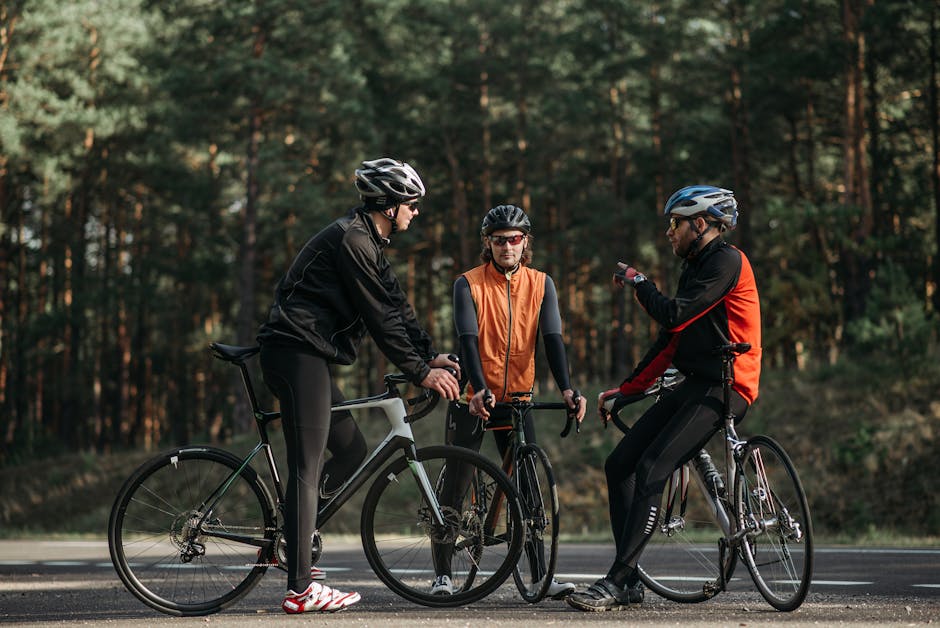
When riding in a group, communicate hazards with clear verbal calls: “Car back,” “Rock left,” “Slowing.” Ride single file on busy roads, and avoid side-by-side riding unless the road is wide and traffic is light. Designate a leader and a sweeper to manage pace and assist if someone has a mechanical issue.
Never assume other riders know the route. Use GPS devices or apps like Strava or Komoot to share routes in advance. Carry a basic repair kit—spare tube, pump, multitool—and know how to use it.
Adapting to Changing Road Surfaces
Road surfaces vary dramatically, even on familiar routes. One stretch may be freshly paved, while the next has potholes, gravel, or oil slicks. These changes affect traction, comfort, and component wear. Preparing for them is crucial for durability.
Recognizing and Reacting to Surface Hazards
Stay alert. Scan the road ahead for cracks, potholes, manhole covers, or loose gravel. These are especially dangerous when wet. If you spot a hazard, signal to others and slow down before reaching it.
When approaching a pothole, assess whether you can safely go around it. If not, stand on the pedals, bend your knees, and lift slightly off the saddle to absorb the impact. Avoid braking hard just before or during the impact—this can cause loss of control.
Gravel patches require a light grip and steady speed. Avoid sharp turns or sudden braking. If you must turn, do so gradually and lean the bike, not your body.
Tire Choice and Pressure
Tires are your first line of defense against rough surfaces. Wider tires (28–32mm) offer better cushioning and grip than narrow racing tires. Tubeless setups allow lower pressures without pinch flats, improving comfort and reducing the risk of punctures.
Adjust tire pressure based on conditions. On rough roads, drop pressure by 5–10 psi to increase contact patch and absorb vibrations. On smooth roads, higher pressure reduces rolling resistance. Use a quality floor pump with a gauge for accuracy.
Frame and Component Durability
Aluminum and steel frames handle impacts better than carbon, which can develop invisible cracks. If you ride frequently on rough roads, consider a steel or titanium frame for long-term resilience.
Check your bike regularly. Look for cracks in the frame, worn brake pads, loose bolts, and frayed cables. A monthly inspection can prevent mid-ride failures. Lubricate your chain every 100–150 miles, especially after wet or dirty rides.
Building a Durable Weekend Riding Routine
Durability isn’t just about gear—it’s also about habits. A consistent routine helps you prepare for challenges and recover effectively.
Pre-Ride Checklist
- Tires: Check pressure and look for cuts or embedded debris.
- Brakes: Ensure pads contact the rim or rotor evenly and respond quickly.
- Chain: Clean and lubricate if needed.
- Bolts: Check stem, handlebars, seatpost, and wheels.
- Electronics: Charge lights and GPS devices.
Post-Ride Maintenance
After every ride, wipe down your bike to remove dirt and moisture. Inspect tires for punctures and wheels for trueness. Store your bike in a dry place to prevent rust and component degradation.
For longer rides or those in harsh conditions, do a deeper clean weekly. Use a gentle degreaser on the chain and cassette, and check spoke tension if you notice wheel wobble.
Clothing and Personal Gear
Invest in quality cycling shorts with padded chamois to reduce chafing and fatigue. Wear gloves for grip and protection in case of a fall. A helmet is non-negotiable—replace it after any significant impact or every five years due to material degradation.
Carry essentials: two water bottles, energy gels or bars, a phone, ID, and a small first-aid kit. For longer rides, add a lightweight rain jacket and arm warmers for changing weather.
Real-World Example: A Typical Weekend Ride
Imagine a 50-mile loop through rolling hills on a Saturday morning. The forecast calls for 15 mph winds from the northwest. You start with a headwind, so you drop into the drops, maintain 85 RPM, and stay in a compact group. Halfway through, the road transitions from smooth asphalt to chip-seal with loose gravel. You reduce speed, lower tire pressure slightly, and avoid sharp turns.
At a busy intersection, you signal early, make eye contact with a turning driver, and proceed only when clear. On the return leg, a strong crosswind hits. You shift your weight into the wind, keep a light grip, and avoid braking on a downhill curve. You finish the ride with minimal fatigue, and your bike shows no signs of stress.
This ride succeeded because of preparation, awareness, and durable choices—not luck.
Final Takeaways
A reliable road cycling guide to handling wind, traffic, and changing road surfaces with a focus on durability for weekend rides empowers you to ride confidently in real-world conditions. Prioritize stability over speed, visibility over style, and maintenance over convenience. Choose gear that lasts, ride predictably, and stay alert to your surroundings.
Durability isn’t about sacrificing performance—it’s about sustaining it. With the right approach, your weekend rides will become more enjoyable, safer, and more rewarding over time.
FAQ
Q: How can I reduce wind resistance without buying expensive gear?
A: Focus on body position—stay low, tuck your elbows, and use the drops. Draft behind other riders when possible, and avoid unnecessary accessories that catch wind.
Q: What should I do if I hit a pothole at speed?
A: Stay calm, keep a loose grip, and let the bike move underneath you. Avoid braking immediately. Afterward, check your wheels for trueness and tires for damage.
Q: How often should I service my bike for weekend riding?
A: Do a quick check before every ride. Perform a full clean and inspection monthly, and take it to a shop for a professional tune-up at least once a year.
