
Electric Bicycles Trends and Features That Matter Most to New Cyclists on City Streets Leave a comment
Electric Bicycles Trends and Features That Matter Most to New Cyclists on City Streets
Electric bicycles are reshaping urban transportation, offering new cyclists a practical, eco-friendly alternative to cars and public transit. For city dwellers, the right e-bike combines power, comfort, and smart design to handle stop-and-go traffic, short commutes, and mixed-terrain routes. The most important electric bicycles trends and features focus on versatility—ensuring riders can navigate crowded sidewalks, climb hills with ease, and park securely without sacrificing range or safety. Whether you’re commuting to work, running errands, or exploring your neighborhood, understanding these key developments helps you choose a bike that fits your lifestyle and city environment.
Why Versatility Defines the Best City E-Bikes
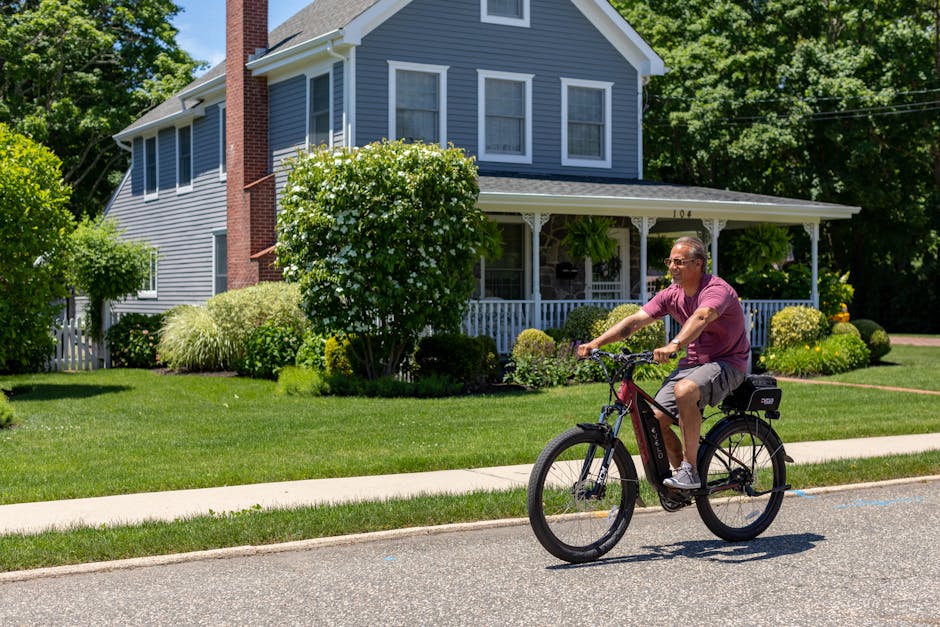
City riding demands adaptability. Unlike long-distance touring or off-road adventures, urban cycling involves frequent stops, tight turns, variable road surfaces, and exposure to traffic. The most effective electric bicycles are built for this reality. They balance motor power, battery efficiency, frame geometry, and component quality to deliver a smooth, responsive ride in real-world conditions.
Versatility means more than just being able to go fast or far. It means the bike performs well on flat bike lanes, handles potholes and curbs without jarring the rider, and remains controllable in wet weather. It also means the bike is easy to store, lock, and maintain—critical factors for people living in apartments or using shared bike racks.
New cyclists especially benefit from this adaptability. Without years of riding experience, they need confidence-inspiring handling, intuitive controls, and reliable braking. Modern e-bikes designed for city use increasingly incorporate these elements as standard, making them accessible to a broader audience.
Top Electric Bicycle Trends Shaping Urban Mobility
Several key trends are defining what makes an e-bike well-suited for city streets. These innovations aren’t just marketing buzz—they address real rider needs around safety, convenience, and performance.
1. Lightweight yet Durable Frames
Gone are the days when e-bikes were universally heavy and unwieldy. Advances in aluminum alloys and hydroforming techniques have led to frames that are both strong and manageable. A typical city e-bike now weighs between 40 and 55 pounds—lighter than many traditional models from just five years ago.
This reduction in weight makes a noticeable difference when lifting the bike onto a rack, carrying it up stairs, or maneuvering through tight spaces. Brands like Rad Power Bikes and Trek have prioritized frame engineering to improve portability without compromising structural integrity.
2. Integrated Smart Technology
Many new e-bikes come equipped with built-in displays, Bluetooth connectivity, and companion apps. These tools allow riders to monitor battery life, track routes, adjust assist levels, and even receive theft alerts. Some models offer GPS navigation directly on the handlebar display, reducing the need to check a phone while riding.
While not essential for every rider, smart features enhance usability—especially for those new to cycling who may feel uncertain about range anxiety or route planning. Look for systems that are simple to operate and don’t require constant app interaction during rides.
3. Regenerative Braking and Improved Battery Management
Although full regenerative braking (like in electric cars) remains rare, many e-bikes now use smarter battery management systems that optimize power delivery based on terrain and rider input. This extends range and reduces wear on components.
For example, Bosch and Shimano motors adjust assistance dynamically, providing more power on inclines and less on flat stretches. This not only conserves energy but also creates a more natural riding feel, helping new cyclists build confidence gradually.
4. Enhanced Lighting and Visibility Features
Safety is paramount in urban environments. Leading e-bikes now include integrated front and rear lights powered by the main battery. These lights are often brighter, longer-lasting, and automatically activated based on ambient light or motion.
Some models add side visibility strips or brake-activated taillights—small details that significantly improve safety during dawn, dusk, or nighttime rides. For commuters who travel early or late, these features are non-negotiable.
5. Modular and Customizable Components
City riders have diverse needs: some prioritize cargo capacity, others want speed, and many value compact storage. Modular designs allow users to add racks, fenders, child seats, or panniers as needed. This flexibility ensures the same bike can serve as a weekday commuter and weekend errand-runner.
Look for standardized mounting points and compatibility with aftermarket accessories. Brands like Gazelle and VanMoof offer well-integrated systems that maintain aesthetics and functionality.
Essential Features for New Cyclists in Urban Settings
Beyond trends, certain features directly impact how enjoyable and practical an e-bike is for someone just starting out. These aren’t luxuries—they’re fundamentals that determine whether a rider sticks with cycling or abandons it due to frustration or discomfort.
Motor Type and Placement
Most city e-bikes use either hub motors (in the wheel) or mid-drive motors (near the pedals). Mid-drive systems, like those from Bosch and Brose, offer better weight distribution and more efficient power transfer, especially on hills. They also allow the bike to use its gears more effectively, which extends motor life and improves range.
Hub motors are simpler and often cheaper, making them common in entry-level models. While adequate for flat cities, they can struggle on steep inclines and may feel unbalanced when accelerating.
For new cyclists in moderately hilly areas, a mid-drive motor is worth the investment. In flatter cities like Amsterdam or Copenhagen, a quality hub motor may suffice.
Battery Range and Charging Convenience
Battery capacity is measured in watt-hours (Wh). A typical city e-bike battery ranges from 400Wh to 750Wh. Real-world range depends on terrain, rider weight, assist level, and weather—but as a rule of thumb, expect 30–60 miles per charge on moderate assist.
Removable batteries are a must for apartment dwellers or office commuters who can’t charge at their destination. Look for batteries that slide out easily and charge in 3–5 hours. Some brands offer fast-charging options that reach 80% in under two hours.
Always check warranty terms: most reputable manufacturers cover batteries for 2–3 years, with capacity retention guarantees (e.g., 60% after 500 cycles).
Braking Systems
Disc brakes—especially hydraulic ones—are now standard on quality e-bikes. They provide consistent stopping power in wet or dirty conditions, which is crucial when riding in rain or through puddles.
Avoid rim brakes on e-bikes. The added weight and speed of an electric bike wear down traditional brake pads quickly and reduce control. Mechanical disc brakes are acceptable for budget models, but hydraulic systems offer better modulation and require less hand effort.
Tire Choice and Puncture Resistance
City streets are full of hazards: glass, nails, potholes, and debris. Wider tires (1.75” to 2.3”) with puncture-resistant layers (like Schwalbe’s Kevlar belts) offer better cushioning and reliability than narrow road tires.
Tubeless setups are gaining popularity, reducing the risk of flats and allowing lower tire pressures for comfort. However, they require more maintenance knowledge. For most new riders, high-quality tubed tires with reinforced casings strike the best balance.
Step-Through vs. Step-Over Frames
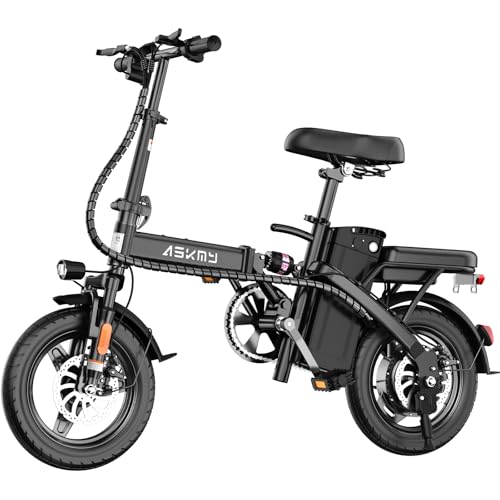
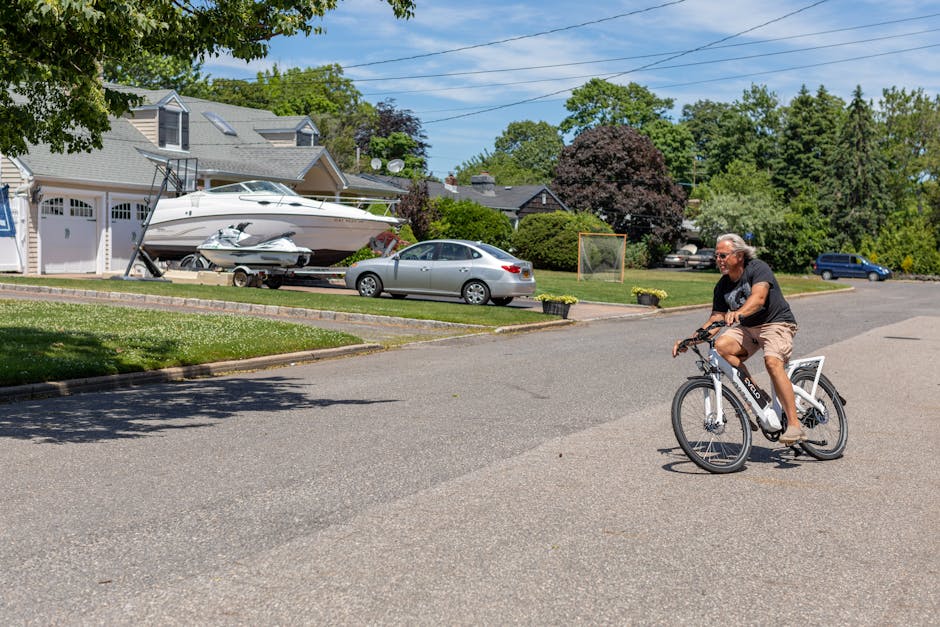
Frame style affects ease of mounting and dismounting—especially important for riders wearing business attire, carrying bags, or managing limited mobility. Step-through frames (with a low or absent top tube) are increasingly popular in city e-bikes for their accessibility.
While step-over frames can be stiffer and lighter, modern step-through designs use reinforced joints and triangulated geometry to maintain strength. They’re ideal for stop-and-go riding where frequent mounting is necessary.
Choosing the Right E-Bike for Your City Lifestyle
With so many options available, selecting the right e-bike comes down to matching features to your daily routine. Consider these practical steps:
- Assess your commute: Measure your typical route. Note elevation changes, distance, and whether you’ll need to carry cargo or park indoors.
- Test ride multiple models: Visit local shops or attend demo events. Pay attention to how the bike feels at low speeds, during starts, and when turning.
- Check local regulations: Some cities restrict e-bike speed, motor power, or where they can be ridden. Class 1 and Class 2 e-bikes (up to 20 mph) are widely permitted; Class 3 (up to 28 mph) may require helmets or have trail restrictions.
- Factor in storage and security: If you live in a small space, prioritize foldable or compact designs. Invest in a high-quality U-lock and consider GPS trackers for theft protection.
- Review warranty and service options: Choose brands with local dealer support or reliable customer service. Battery and motor repairs can be costly if not covered.
For example, a rider in San Francisco—a hilly city with frequent rain—should prioritize a mid-drive motor, hydraulic disc brakes, and fenders. In contrast, someone in Phoenix might prioritize battery cooling and sun-resistant components over wet-weather features.
Common Misconceptions About City E-Bikes
Despite growing popularity, several myths persist that can mislead new buyers.
Myth: E-bikes do all the work. While motors assist pedaling, riders still need to pedal. Most city e-bikes require human input to activate the motor (pedal-assist), meaning you’ll get exercise and maintain control.
Myth: They’re too expensive to maintain. Routine maintenance (tire checks, chain lubrication, brake adjustments) is similar to regular bikes. Motors and batteries are sealed units with long lifespans—typically 5–10 years with proper care.
Myth: They’re only for lazy riders. E-bikes enable longer, more frequent trips without exhaustion. They make cycling accessible to older adults, people with joint issues, or those carrying heavy loads—expanding mobility, not replacing effort.
Future Outlook: Where City E-Bikes Are Heading
The next wave of electric bicycles will likely emphasize even greater integration with urban infrastructure. We’re seeing early adoption of vehicle-to-grid (V2G) concepts, where e-bikes can feed energy back into the grid during peak demand. While still experimental, this could eventually support city sustainability goals.
Additionally, AI-assisted riding modes—automatically adjusting assist based on traffic patterns or fatigue levels—are in development. However, simplicity and reliability will remain key for mainstream adoption. The best innovations will feel invisible: smoother, safer, and more intuitive without complicating the ride.
Final Thoughts
The rise of electric bicycles reflects a broader shift toward sustainable, flexible urban living. For new cyclists, the most valuable models are those that prioritize real-world usability over flashy specs. Focus on versatility, safety, and ease of use—and choose a bike that fits your city, not just your budget.
Whether you’re dodging traffic on a busy avenue or cruising along a riverside path, the right e-bike turns everyday travel into a reliable, enjoyable experience. As technology improves and cities adapt, electric bicycles will continue to play a central role in the future of urban mobility.
FAQ
What’s the average range of a city e-bike on a single charge?
Most city e-bikes offer 30 to 60 miles of range, depending on battery size, terrain, rider weight, and assist level. Using lower assist modes and maintaining proper tire pressure can extend range significantly.
Can I ride an e-bike in the rain?
Yes, most modern e-bikes are designed to handle light to moderate rain. Look for IP-rated components (like IP65 or higher) and avoid submerging the battery or motor. Always dry the bike after wet rides to prevent corrosion.
Do I need a license or insurance to ride an e-bike in the city?
In most U.S. cities, no license or insurance is required for Class 1 and Class 2 e-bikes. However, local laws vary—check your city’s transportation department for specific rules on speed limits, bike lane access, and helmet requirements.
Related keywords: Electric bicycles trends and features that matter most to new cyclists with a focus on versatility for city streets.
