
How to Maintain a Bicycle Even If You Are Completely New to Cycling Leave a comment
How to Maintain a Bicycle Even If You Are Completely New to Cycling
Maintaining a bicycle doesn’t require mechanical expertise—especially if you’re new to cycling and riding primarily on city streets. With a few simple routines and basic tools, you can keep your bike running smoothly, safely, and efficiently. This guide walks you through essential maintenance steps tailored for urban riders, from checking tire pressure to cleaning your chain, so your bike stays reliable whether you’re commuting, running errands, or exploring the city. You’ll learn what to do, when to do it, and how to spot early signs of trouble—all without needing prior experience.

Why Regular Bicycle Maintenance Matters for City Riders
City streets present unique challenges: potholes, curbs, frequent stops, and exposure to rain, dirt, and salt in winter. These conditions accelerate wear on your bike. Regular maintenance prevents breakdowns, extends component life, and ensures your ride remains safe and responsive. For new cyclists, consistent care also builds confidence and familiarity with your bike. A well-maintained bicycle is more efficient, meaning less effort to pedal and fewer unexpected repairs. Think of it like changing the oil in a car—small efforts now prevent big problems later.
Essential Tools and Supplies for Beginners
You don’t need a full workshop to maintain your bike. Start with these basics:
- Bike pump with pressure gauge – For keeping tires properly inflated
- Multi-tool with hex keys – For tightening bolts and making small adjustments
- Chain lubricant – To reduce friction and prevent rust
- Degreaser and rags – For cleaning the chain and drivetrain
- Tire levers and patch kit – For fixing flats
- Soft brush or sponge – For washing the frame and components
These items cost under $50 total and fit in a small bag. Many come in beginner kits available at bike shops or online. Invest once, and you’ll save money and time over the long term.
Daily and Weekly Checks: Quick Habits for City Cyclists
Spending just 2–3 minutes before or after a ride can prevent most common issues. Here’s what to do:
1. Check Tire Pressure
Underinflated tires increase rolling resistance and the risk of pinch flats. Use your pump’s gauge to match the recommended PSI on the tire sidewall—usually between 60 and 100 PSI for city bikes. Check pressure weekly, or before long rides. A quick squeeze test isn’t reliable; always use a gauge.
2. Inspect Tires for Damage
Look for cuts, embedded glass, or worn tread. City roads are littered with debris. Replace tires if the casing threads are visible or if you’ve had multiple flats. A tire with a small cut can often be patched or reinforced with a tire boot (a piece of old tire or specialized patch), but deep gashes mean replacement.
3. Test Brakes
Pull both brake levers. The brakes should engage firmly without the lever touching the handlebar. If they feel spongy or weak, the pads may be worn or the cables loose. Squeaking is common in wet weather, but persistent noise may mean misalignment or contamination.
4. Spin the Wheels
Lift the bike and spin each wheel. It should rotate freely without wobbling or rubbing against the brake pads. A slight wobble is normal, but significant side-to-side movement indicates a loose axle or bent rim—get it checked.
5. Squeeze the Handlebars and Seat
Ensure nothing feels loose. Tighten bolts if needed using your multi-tool. A loose stem or seat post can be dangerous at speed.
Monthly Maintenance: Deepen Your Routine
Once a month, spend 15–20 minutes on more thorough checks. These steps address wear and tear that daily inspections might miss.
Clean and Lubricate the Chain
A dirty chain wears out faster and makes pedaling harder. Here’s how to do it right:
- Wipe the chain with a rag to remove surface grime.
- Apply degreaser and scrub with a brush (an old toothbrush works).
- Rinse or wipe clean, then dry thoroughly.
- Apply chain lubricant: one drop per link while slowly back-pedaling.
- Wipe off excess lube to prevent attracting dirt.
Use a wet lube in rainy climates and dry lube in dry, dusty areas. Over-lubing attracts dirt and creates a gritty paste that accelerates wear.
Check Brake Pads
Inspect the rubber pads for wear. Most have a groove indicating when they’re too thin—if the groove is gone, replace them. Also, ensure pads align with the rim (not the tire or below the rim). Misaligned pads reduce braking power and damage wheels.
Inspect Cables and Housing
Look for frayed cables or cracked housing, especially near bends. Stiff shifting or braking can indicate cable corrosion. If cables feel rough when moved, consider replacing them or having a shop do it.
Tighten Bolts
Use your multi-tool to check key bolts: stem, handlebars, seat post, and crank arms. Vibration from city riding can loosen them over time. Don’t overtighten—follow torque specs if your tool has them.
Seasonal Maintenance: Preparing for Weather and Wear
City riding exposes your bike to seasonal extremes. Adjust your maintenance with the calendar.
Spring: Post-Winter Tune-Up
After winter, your bike may have corrosion from salt and moisture. Clean the entire bike, inspect the chain and cables, and lubricate all moving parts. Check tire condition—cold weather can make rubber brittle.
Summer: Heat and Dust
High temperatures can dry out lubricants. Reapply chain lube more frequently. Dust and sand can clog drivetrain components—clean weekly if riding on unpaved paths or in dry conditions.
Fall: Pre-Winter Prep
Install fenders if you don’t have them—they keep you and your bike cleaner. Switch to wet-weather tires if available. Apply a protective layer of lube to the chain and cables to repel moisture.
Winter: Salt and Slush
Ride through slush and salt accelerates rust. Rinse your bike with fresh water after wet rides. Dry it thoroughly. Use a heavier lubricant designed for wet conditions. Store indoors when possible.
How to Handle Common City-Specific Problems
Urban environments bring unique maintenance challenges. Here’s how to address them.
Frequent Flats
Caused by glass, nails, or sharp debris. Prevent them by:
- Using puncture-resistant tires
- Installing tire liners or sealant
- Avoiding debris when possible
- Keeping tires properly inflated
If you get a flat, use tire levers to remove the tire, find the puncture (listen for air or submerge in water), patch or replace the tube, and reinstall. Practice at home before you’re stranded.
Chain Slippage
If your chain skips under load, it may be worn or the cassette/chainrings may need replacement. A worn chain stretches over time—use a chain checker tool to measure. Replace the chain before it damages other parts.
Brake Squeal
Common in wet weather. Clean rims and brake pads with alcohol. Toe-in the pads (angle them slightly so the front touches first) to reduce noise. Replace glazed pads.
Loose or Wobbly Handlebars
Check the stem bolts. If they’re tight but still loose, the stem may be damaged or the steerer tube cracked—get it inspected immediately.
When to Visit a Bike Shop
Some tasks are best left to professionals. Visit a shop if you notice:
- Persistent brake or shifting issues after adjustment
- Wheel wobble that doesn’t improve with truing
- Creaking noises from the bottom bracket or headset
- Cracks in the frame, fork, or components
- Need for a full tune-up or component replacement
Most shops offer basic tune-ups for $50–$100, which include brake adjustment, gear tuning, lubrication, and safety check. It’s a worthwhile investment once a year.
Maintaining Different Types of City Bikes
Not all city bikes are the same. Maintenance varies slightly by type.
| Bike Type | Key Maintenance Focus | Special Notes |
|---|---|---|
| Hybrid/Commuter | Chain, brakes, tires | Designed for durability; check fenders and racks |
| Folding Bike | Hinges, folding mechanisms | Lubricate joints; check alignment after folding |
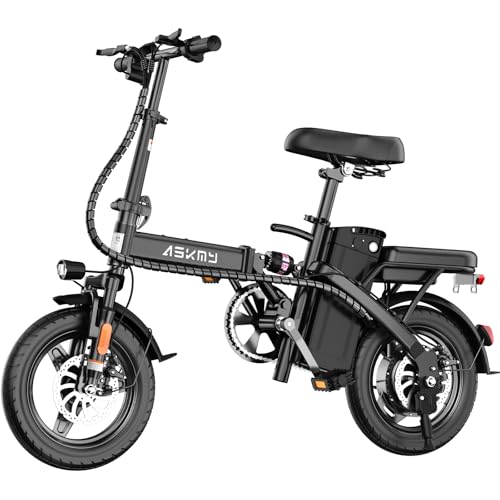
| Electric Bike (E-Bike) | Battery, motor, drivetrain | Follow manufacturer guidelines; avoid high-pressure washes |
| Single-Speed/Fixed Gear | Chain tension, rear wheel alignment | No derailleurs; simpler but sensitive to chain wear |
Even within city riding, your bike’s design affects how you maintain it. Always consult your owner’s manual for model-specific advice.
Tips for Storing Your Bike in the City
Where you keep your bike impacts its condition. Follow these guidelines:
- Indoor storage is ideal—protects from weather and theft.
- If storing outside, use a high-quality lock and a waterproof cover.
- Avoid leaning against walls or railings that can scratch paint or bend components.
- Use a bike stand or wall mount to save space and reduce stress on wheels.
- In apartments, consider a folding bike or vertical storage to minimize clutter.
Humidity and temperature swings in garages or balconies can cause rust. Wipe down your bike after wet rides and store in a dry place when possible.
Building Confidence Through Routine
One of the biggest benefits of regular maintenance is confidence. When you know your bike is in good shape, you ride more freely and safely. Start small: pick one task per week—check tires, clean the chain, test brakes. Over time, these habits become second nature. You’ll begin to recognize sounds, feels, and signs that something needs attention before it becomes a problem.
Keep a simple log—note when you last lubed the chain, replaced a tube, or had a tune-up. It helps track patterns and plan ahead.
Final Thoughts: Maintenance as Part of the Ride
Learning how to maintain a bicycle even if you are completely new to cycling isn’t about becoming a mechanic. It’s about taking ownership of your ride. With basic tools and consistent habits, you can keep your bike reliable, efficient, and safe for daily city use. Focus on prevention: a few minutes of care each week prevents hours of frustration later. Whether you’re dodging traffic, climbing a bridge, or stopping at a red light, a well-maintained bike responds when you need it most. Start today—your future self will thank you.
Related keywords: How to maintain a bicycle even if you are completely new to cycling with a focus on versatility for city streets.
