
Electric Bicycles Overview for Choosing the Right Type with Confidence on City Streets Leave a comment
Electric Bicycles Overview for Choosing the Right Type with Confidence on City Streets
If you’re navigating busy city streets and looking for a reliable, efficient way to commute, an electric bicycle can be a smart choice. An electric bicycles overview for choosing the right type with confidence helps you cut through the noise and find a model that fits your daily needs. With rising fuel costs, traffic congestion, and environmental concerns, e-bikes offer a practical alternative that combines pedal power with electric assistance. Whether you’re replacing a car trip, supplementing public transit, or simply enjoying a faster ride to work, the right e-bike can transform your urban mobility. This guide walks you through key considerations, types of e-bikes suited for city use, setup tips, and what to avoid—so you can ride with confidence from day one.
Why Choose an Electric Bicycle for City Commuting?
City riding presents unique challenges: stop-and-go traffic, hills, limited parking, and the need to arrive at your destination without being drenched in sweat. Electric bicycles are designed to handle these conditions with ease. Unlike traditional bikes, e-bikes provide pedal-assist or throttle-powered support, making it easier to maintain speed, climb inclines, and cover longer distances without excessive effort.
For urban commuters, e-bikes offer several advantages:
- Reduced commute time: Ride faster than a regular bike and avoid traffic jams by using bike lanes or paths.
- Lower operating costs: Charging an e-bike costs just a few cents per ride, far less than fuel or public transit passes.
- Eco-friendly transportation: Zero emissions during use, contributing to cleaner city air.
- Health benefits: You still get exercise, but with less strain—ideal for those with joint issues or busy schedules.
- Convenience: Foldable or compact models can be stored under desks or taken on trains.
Many city dwellers find that an e-bike reduces reliance on cars for short trips, saving money and reducing stress. For example, a 5-mile commute that takes 30 minutes by car might take 20–25 minutes on an e-bike—with no parking fees or traffic delays.
Types of Electric Bicycles Best Suited for City Streets
Not all e-bikes are created equal, especially when it comes to urban environments. The ideal city e-bike balances comfort, range, maneuverability, and durability. Here are the most common types and how they perform in city settings:
1. Commuter E-Bikes
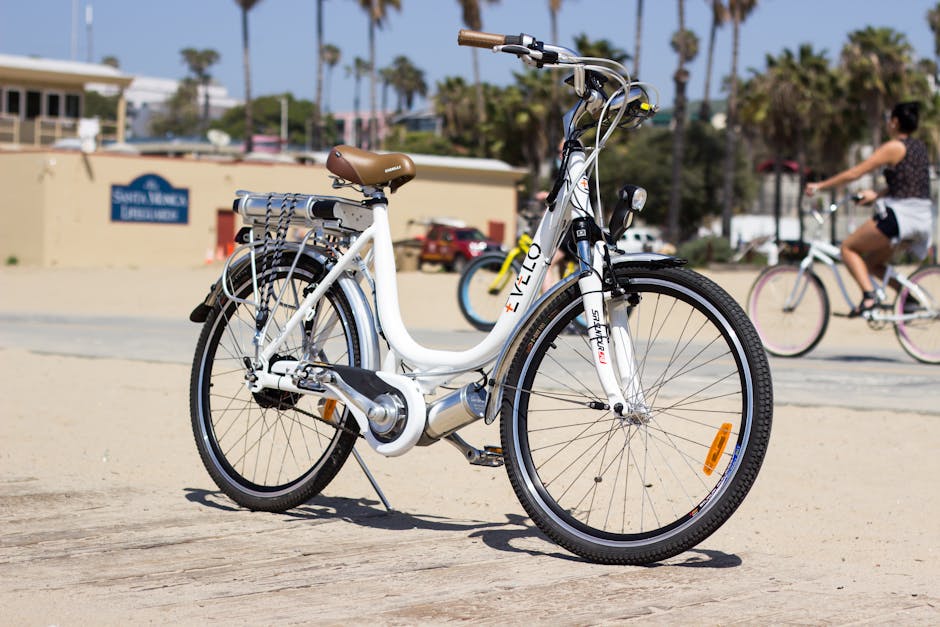
Designed specifically for daily urban travel, commuter e-bikes prioritize comfort, reliability, and practicality. They typically feature upright handlebars, fenders, integrated lights, and rear racks for carrying bags or groceries. Most use mid-drive or rear-hub motors with pedal-assist systems that respond smoothly to your pedaling.
Examples include the Trek Allant+ 7 and Specialized Turbo Vado. These models often come with hydraulic disc brakes for safe stopping in wet conditions and puncture-resistant tires for city debris.
2. Folding E-Bikes
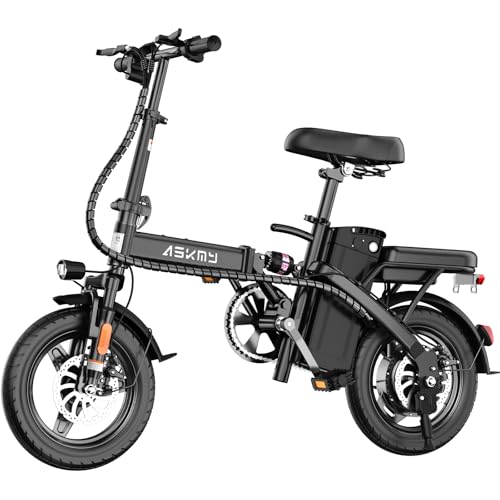
Perfect for mixed-mode commuting (e.g., bike + subway), folding e-bikes like the Brompton Electric or Tern Vektron are compact and portable. They’re lightweight enough to carry up stairs and small enough to store in tight apartments or office corners.
While they may have smaller wheels and less range than full-size models, modern folding e-bikes offer impressive performance. Look for models with at least 400Wh batteries and torque sensors for responsive assistance.
3. City/Urban E-Bikes
These are hybrid models built for city streets but capable of light off-road use. They often include suspension forks for pothole absorption and wider tires for stability. The Rad Power Bikes RadCity is a popular example, offering a step-through frame for easy mounting and a 750W motor for tackling hills.
Urban e-bikes are ideal if your route includes uneven pavement, bike paths, or occasional gravel sections.
4. Speed Pedelecs (Class 3 E-Bikes)
Capable of speeds up to 28 mph (45 km/h), Class 3 e-bikes are faster than standard models and require helmets in many regions. They’re best for longer commutes or riders who want to cover more ground quickly.
However, check local regulations—some cities restrict where Class 3 bikes can be ridden. The Juiced CrossCurrent X is a well-regarded option, offering a 52V battery and high-capacity motor for sustained speed.
Key Features to Consider When Choosing an E-Bike for City Use
With so many models on the market, it’s easy to get overwhelmed. Focus on these essential features to ensure your e-bike meets your daily needs:
Battery Range and Charging
Range is one of the most critical factors. Most city commutes are under 15 miles round-trip, so a battery with 30–50 miles of range is usually sufficient. However, consider terrain, rider weight, and assist level—using high assist on hills can drain the battery faster.
Look for removable batteries (like those from Bosch or Shimano) for easy charging at home or work. Charging typically takes 3–6 hours. For example, a 500Wh battery provides about 40–60 miles on eco mode, but only 20–30 on turbo.
Motor Type and Power
E-bike motors come in two main types: hub motors (in the wheel) and mid-drive motors (near the pedals). For city riding, mid-drive motors are often preferred because they leverage the bike’s gears, offering better efficiency and hill-climbing ability.
Hub motors are simpler and quieter but can feel less natural. Power ratings range from 250W (common in Europe) to 750W (allowed in the U.S.). A 500W motor is usually plenty for flat cities, while 750W helps with steep inclines.
Frame Style and Fit
Choose a frame that matches your body and riding style. Step-through frames are easier to mount and ideal for riders wearing skirts or suits. Traditional diamond frames offer more rigidity and are better for sportier riding.
Test ride if possible—comfort over 30+ minutes matters more than specs on paper. Adjustable handlebars and seat posts help fine-tune fit.
Tires and Suspension
City streets are full of potholes, curbs, and debris. Opt for tires at least 1.75 inches wide with puncture protection (like Schwalbe’s Marathon series). Wider tires absorb shocks better and improve grip.
Front suspension forks help on rough roads, but add weight and maintenance. For smooth city paths, rigid forks may suffice. Full suspension is overkill unless you frequently ride off-road.
Braking System
Reliable brakes are non-negotiable. Mechanical disc brakes are adequate, but hydraulic disc brakes offer superior stopping power and modulation—especially in rain. Rim brakes (V-brakes) are less effective when wet and wear down rims faster.
Always test braking performance during a demo ride, especially from higher speeds.
Integrated Accessories
Built-in lights, fenders, and racks save money and hassle. Front and rear LED lights powered by the bike’s battery improve visibility and safety. Fenders keep you dry in wet weather, and racks let you carry work bags, groceries, or a change of clothes.
Some models include smartphone mounts, USB charging ports, or digital displays with navigation—useful for city riders who rely on GPS.
Setting Up Your E-Bike for Optimal City Performance
Buying the right e-bike is only half the battle. Proper setup ensures safety, efficiency, and longevity. Follow these steps to get your e-bike city-ready:
1. Adjust the Fit
Set the saddle height so your leg is almost fully extended at the bottom of the pedal stroke. Handlebar height should allow a relaxed, upright posture—no strain on your back or shoulders. Use a torque wrench to secure bolts to manufacturer specs; over-tightening can damage carbon parts.
2. Inflate Tires to Correct Pressure
Check tire pressure weekly. Underinflated tires increase rolling resistance and risk pinch flats. Most city e-bikes recommend 40–65 PSI, depending on tire width and rider weight. Use a quality floor pump with a gauge.
3. Calibrate the Display and Assist Levels
Familiarize yourself with the control panel. Set the default assist level to “eco” or “tour” for longer range. Use “turbo” only when needed—like climbing a steep hill. Some bikes allow custom profiles via apps.
4. Install Safety Accessories
Add a bell or horn, rearview mirror, and reflective tape if not included. Consider a helmet with built-in lights or a camera for added safety. In some cities, helmets are legally required.
5. Secure Your Bike
Invest in a high-quality U-lock (like Kryptonite or Abus) and use it to secure both the frame and wheels to a fixed object. Register your bike with local authorities or a national database like Bike Index.
6. Plan Your Route
Use apps like Komoot or Google Maps (bike layer) to find bike-friendly routes with protected lanes, low traffic, and minimal hills. Avoid major highways and high-speed roads unless designated bike paths exist.
Common Mistakes to Avoid When Buying a City E-Bike
Even experienced cyclists can make errors when switching to e-bikes. Avoid these pitfalls:
- Ignoring local laws: E-bike classifications vary by region. In the U.S., Class 1 and 2 are widely allowed on bike paths; Class 3 may be restricted. Check your city’s rules before buying.
- Overestimating range: Manufacturer range claims are often based on ideal conditions. Real-world range is typically 20–30% lower. Plan for your longest trip plus a buffer.
- Choosing style over function: A sleek design is nice, but not if it lacks fenders, lights, or a rack. Prioritize practicality for daily use.
- Skipping the test ride: Weight distribution, motor response, and comfort vary widely. Never buy an e-bike without riding it first.
- Neglecting maintenance: E-bikes require regular checks—brake pads, chain lubrication, battery health. Follow the manual and service schedule.
Maintenance Tips for Long-Term Reliability
A well-maintained e-bike lasts longer and performs better. Follow this simple routine:
- Weekly: Check tire pressure, test lights and brakes, clean the chain.
- Monthly: Inspect brake pads, tighten bolts, lubricate drivetrain.
- Annually: Service the motor and battery (if recommended), replace worn tires or brake cables.
Store your e-bike in a dry place and avoid extreme temperatures. Charge the battery to 30–60% if storing for more than a month.
Final Thoughts: Ride Smart, Ride Safe
Choosing the right electric bicycle for city streets doesn’t have to be complicated. With a clear understanding of your needs, the right features, and proper setup, you can enjoy a faster, cleaner, and more enjoyable commute. An electric bicycles overview for choosing the right type with confidence empowers you to make an informed decision—whether you’re a daily commuter, weekend explorer, or casual rider.
Start by defining your route, budget, and must-have features. Test ride multiple models. And remember: the best e-bike is the one you’ll actually use. With the right choice, city streets become your open road.
FAQ
Q: How fast can an electric bicycle go on city streets?
A: Most city e-bikes are limited to 20 mph (32 km/h) under motor power. Class 3 models can reach 28 mph (45 km/h), but may be restricted to roads or bike lanes in some areas.
Q: Do I need a license or insurance to ride an e-bike in the city?
A: In most U.S. cities, no license or insurance is required for Class 1 and 2 e-bikes. Class 3 may require a helmet and have age restrictions. Always check local regulations.
Q: Can I ride an e-bike in the rain?
A: Yes, most e-bikes are designed for wet conditions. However, avoid deep puddles, dry the bike after riding, and ensure brakes are functioning properly before and after wet rides.
Related keywords: Electric bicycles overview for choosing the right type with confidence with a focus on setup for city streets.
