
Electric Bicycle Advice for Riders Comparing Commuter and Cargo Bicycles for City Streets Leave a comment
Electric Bicycle Advice for Riders Comparing Commuter and Cargo Bicycles for City Streets
Choosing between a commuter and cargo electric bicycle for city riding depends on your daily needs, route conditions, and how much you carry. This guide offers practical electric bicycle advice for riders navigating urban environments, comparing key features like weight, battery range, cargo capacity, and maneuverability. Whether you’re commuting to work, running errands, or transporting kids, understanding the strengths of each type helps you make the right choice for city streets.
Understanding the Two Main Types of City E-Bikes
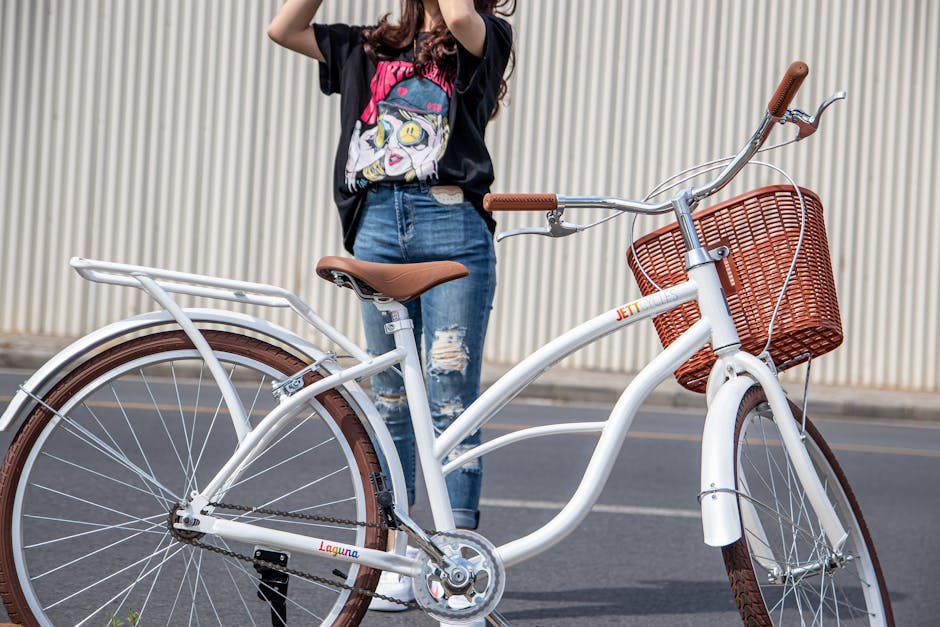
Electric bicycles designed for urban use generally fall into two categories: commuter e-bikes and cargo e-bikes. While both are built for city riding, they serve different purposes and come with distinct setups.
Commuter E-Bikes: Built for Speed and Efficiency
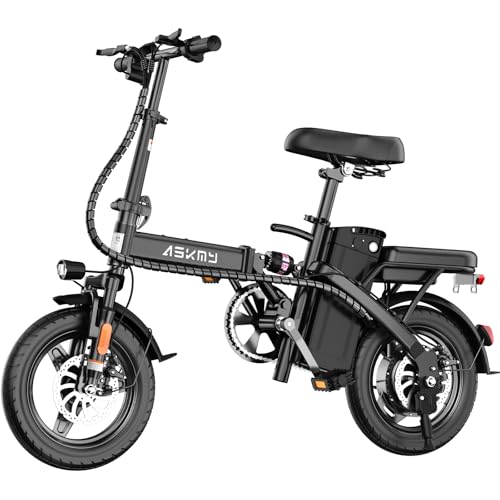
Commuter electric bicycles prioritize agility, comfort, and efficiency over long distances. They’re typically lightweight, with a step-through or traditional frame, and are ideal for riders covering 5 to 15 miles daily. These bikes often feature integrated lights, fenders, and rear racks—standard for city commuting.
- Weight: Usually between 40–55 pounds, making them easier to handle at traffic lights or on public transit.
- Battery Range: 30–60 miles on a single charge, depending on assist level and terrain.
- Tires: Narrower (1.75″–2.2″) for reduced rolling resistance on pavement.
- Motor Power: Typically 250W–500W, sufficient for flat city routes with occasional hills.
For example, the RadCity 5 Plus offers a balanced setup with a 60-mile range, hydraulic disc brakes, and a rear rack that supports up to 55 pounds—ideal for carrying a backpack or small groceries.
Cargo E-Bikes: Designed for Heavy Loads and Stability
Cargo electric bicycles are built to carry more—whether it’s groceries, packages, or children. They come in two main styles: longtails (extended rear rack) and front-loaders (box-style cargo area). These bikes are heavier and longer, but offer unmatched utility for urban families and delivery riders.
- Weight: Often 60–80 pounds or more, requiring stronger frames and brakes.
- Cargo Capacity: 100–400 pounds, depending on model and configuration.
- Battery Range: 20–50 miles, as heavier loads drain the battery faster.
- Motor Power: 500W–750W to handle added weight and maintain speed.
The Yuba Mundo longtail, for instance, supports up to 440 pounds with optional child seats and panniers, making it a favorite among parents in dense neighborhoods.
Key Differences When Riding on City Streets
City riding presents unique challenges—narrow bike lanes, frequent stops, traffic congestion, and variable road surfaces. How each e-bike type handles these conditions can make or break your daily experience.
Maneuverability and Parking
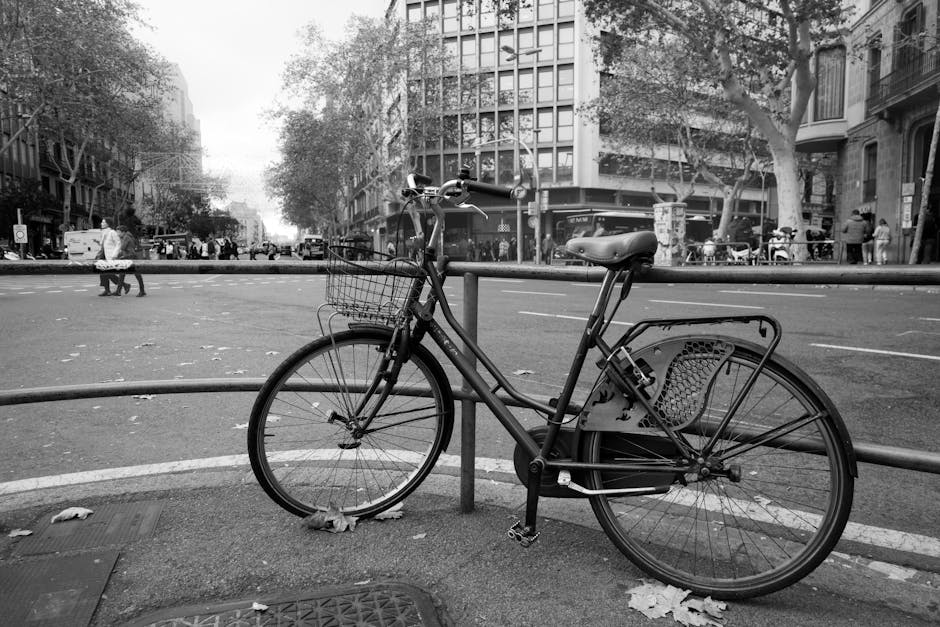
Commuter e-bikes excel in tight spaces. Their shorter wheelbase and lighter build make them easy to weave through traffic, lock to bike racks, or carry upstairs. In contrast, cargo e-bikes require more space to turn and park. A front-loader may need a dedicated parking spot or secure outdoor storage due to its width.
Tip: If you live in an apartment without bike storage, a commuter e-bike is often the more practical choice.
Stopping Power and Safety
Both types should have hydraulic disc brakes, but cargo e-bikes place greater demand on braking systems due to their weight. Look for models with dual-piston calipers and regenerative braking features where available. Always test braking distance with a full load before relying on the bike daily.
Hill Climbing and Motor Performance
Even flat cities have inclines—think bridges, overpasses, or cobblestone ramps. Commuter e-bikes usually handle these with ease, but cargo models may require a mid-drive motor for better weight distribution and torque. Hub motors are common but can struggle under heavy load on steep grades.
Example: A cargo e-bike with a 750W mid-drive motor (like the Riese & Müller Load 75) climbs hills more efficiently than a 500W hub motor model, especially when carrying two children and groceries.
Setting Up Your E-Bike for City Riding
Regardless of type, proper setup ensures safety, comfort, and longevity. Here’s how to optimize your electric bicycle for daily city use.
1. Adjust the Saddle and Handlebars
A comfortable riding position reduces fatigue and improves control. For commuter e-bikes, a slightly upright posture helps with visibility in traffic. Cargo e-bikes benefit from a relaxed, stable stance to manage weight distribution.
- Set saddle height so your leg is nearly straight at the bottom of the pedal stroke.
- Adjust handlebar height to avoid excessive reach or strain.
- Use ergonomic grips to reduce hand fatigue on long rides.
2. Install Essential Accessories
City riding demands visibility and utility. Add these accessories based on your e-bike type:
| Accessory | Commuter E-Bike | Cargo E-Bike |
|---|---|---|
| Front & Rear Lights | Essential for visibility | Critical due to lower speed and bulk |
| Fenders | Recommended for wet weather | Must-have to protect cargo and rider |
| Rear Rack / Panniers | Standard for bags and groceries | Often pre-installed; expandable |
| Child Seat or Cargo Box | Rarely used | Common and often integrated |
| Bell or Horn | Useful for alerting pedestrians | Necessary for navigating crowded areas |
3. Tire Pressure and Maintenance
Proper tire pressure affects range, comfort, and puncture resistance. Check pressure weekly—city streets have debris, potholes, and curbs that can damage underinflated tires.
- Commuter e-bikes: Inflate to 50–70 PSI for speed and efficiency.
- Cargo e-bikes: Use 40–60 PSI for better grip and load support.
Warning: Overinflating tires on a cargo e-bike can reduce traction and increase the risk of skidding, especially in wet conditions.
4. Battery Care and Charging Habits
City riders often charge daily. To extend battery life:
- Avoid draining the battery below 10% regularly.
- Store the battery indoors in extreme temperatures.
- Use the manufacturer’s charger—third-party chargers can damage cells.
Most e-bike batteries last 500–1,000 charge cycles. With daily use, expect 2–4 years of reliable performance before capacity noticeably declines.
Choosing the Right E-Bike for Your City Lifestyle
Your decision should align with how you use the bike. Ask yourself:
- Do I mostly ride alone, or do I transport people or goods regularly?
- How far is my typical trip, and are there hills?
- Where will I store the bike overnight?
- Do I need to carry it upstairs or onto public transit?
If you answer “yes” to carrying kids, large grocery loads, or making frequent deliveries, a cargo e-bike is likely worth the extra weight and cost. For solo riders covering moderate distances with light loads, a commuter e-bike offers better speed, agility, and convenience.
Common Mistakes to Avoid
Even experienced riders make setup errors that compromise safety or performance.
Ignoring Local E-Bike Laws
Most cities classify e-bikes into three categories based on speed and motor power. Ensure your bike complies with local regulations—some areas restrict Class 3 e-bikes (28 mph) from bike paths or require helmets.
Overloading the Rack
Exceeding the manufacturer’s weight limit can damage the frame, warp the rear wheel, or cause brake failure. Always check the specs—especially on commuter e-bikes with lighter racks.
Skipping Regular Maintenance
Chain lubrication, brake checks, and bolt tightening should be done monthly. Cargo e-bikes, due to higher usage and weight, benefit from professional servicing every 6 months.
Final Thoughts: Matching Your E-Bike to City Life
Electric bicycle advice for riders comparing commuter and cargo models boils down to use case and environment. Commuter e-bikes shine in efficiency and ease of use, while cargo e-bikes deliver unmatched utility for families and small businesses. Both can thrive on city streets when properly set up and maintained. Prioritize safety, comfort, and practicality—your daily ride will be smoother, safer, and more enjoyable as a result.
FAQ
Can I use a cargo e-bike for daily commuting if I don’t carry heavy loads?
Yes, but it may be overkill. Cargo e-bikes are heavier and less agile, which can make short trips feel sluggish. Only choose one if you anticipate needing cargo capacity regularly.
Are commuter e-bikes safe for riding in heavy traffic?
Yes, especially models with integrated lights, reflective elements, and responsive brakes. Always wear a helmet, use hand signals, and stay visible—especially at intersections.
How do I secure a cargo e-bike against theft in the city?
Use a high-quality U-lock through the frame and rear wheel, and consider a secondary cable for the front wheel and accessories. Park in well-lit, high-traffic areas, and remove the battery when possible.
Related keywords: Electric bicycle advice for riders comparing commuter and cargo bicycles with a focus on setup for city streets.
