
Practical Cycling Advice for Improving Technique on Roads and City Streets with a Focus on Setup for City Streets Leave a comment
Practical Cycling Advice for Improving Technique on Roads and City Streets with a Focus on Setup for City Streets
Whether you’re commuting daily or exploring urban neighborhoods, mastering the right cycling technique can make your ride safer, smoother, and more efficient. This guide offers practical cycling advice for improving technique on roads and city streets, with a special emphasis on bike setup tailored to city environments. From adjusting your saddle height to choosing the right gear ratio, small changes can have a big impact. Below, you’ll find actionable tips, setup recommendations, and safety considerations designed specifically for urban riders.
Why City Street Setup Matters More Than You Think
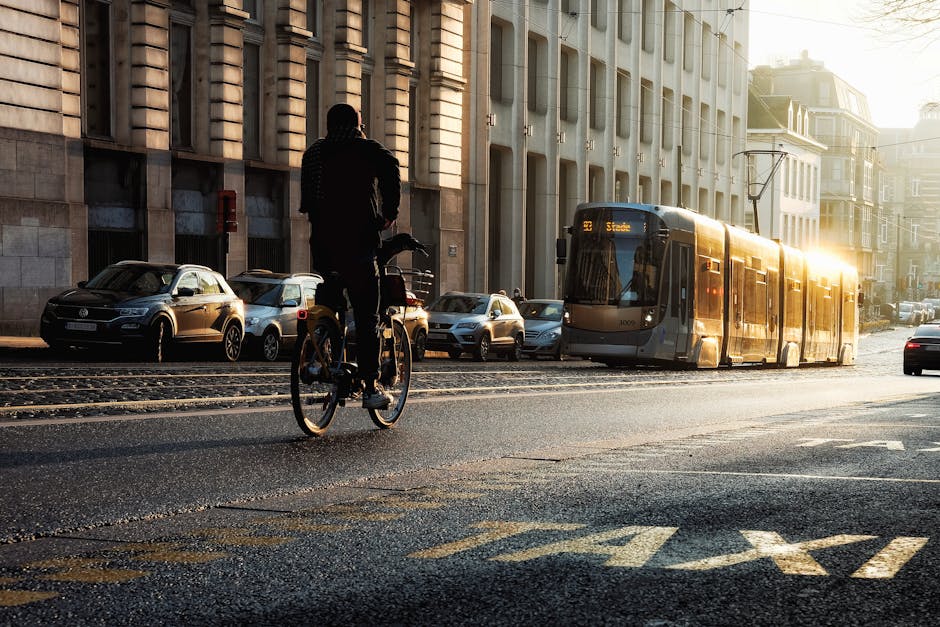
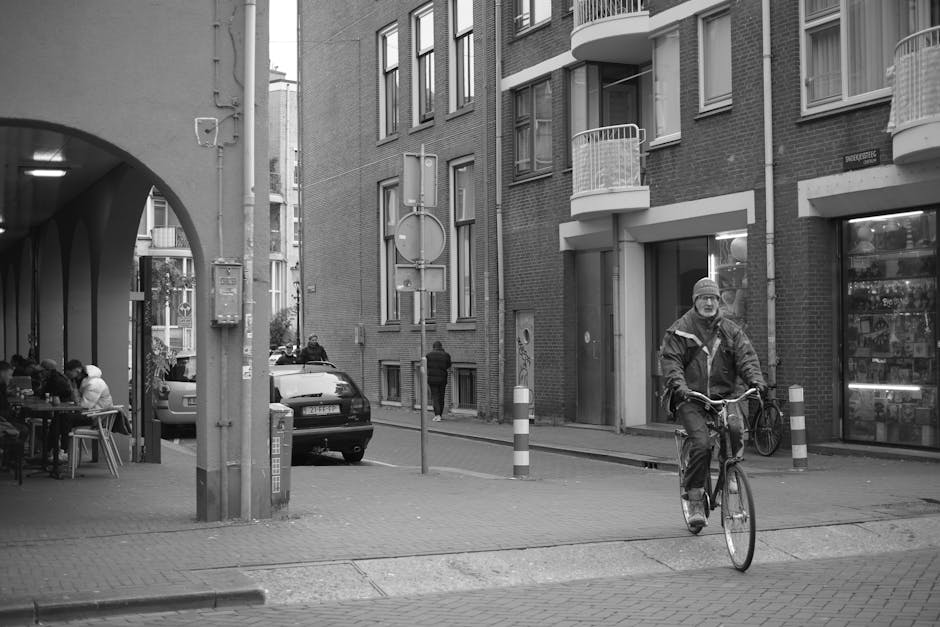
City cycling presents unique challenges: frequent stops, tight turns, traffic signals, pedestrians, and uneven pavement. Unlike open roads or trails, urban environments demand quick reactions, controlled speed, and comfort over short bursts. A poorly set-up bike can lead to discomfort, reduced control, and even accidents. Optimizing your bike for city streets isn’t just about comfort—it’s about responsiveness and safety.
For example, a commuter riding a road bike with drop handlebars and high gearing may struggle with frequent stops and starts. In contrast, a properly configured city bike with upright geometry, reliable brakes, and appropriate gearing allows for better visibility and quicker handling in traffic.
Key Components of a City-Optimized Bike Setup
Getting your bike dialed in for city riding involves more than just inflating tires. Focus on these core areas:
1. Frame and Handlebar Position
An upright riding position improves visibility and reduces strain on your back and neck—critical when navigating busy intersections. Consider flat or riser handlebars instead of drop bars for better control at low speeds. If you’re using a road bike, stem risers or swept-back bars can help achieve a more relaxed posture.
Avoid extreme forward leans unless you’re training for endurance. For daily commuting, prioritize comfort and control over aerodynamics.
2. Saddle Height and Angle
Proper saddle height ensures efficient pedaling and reduces knee strain. When seated, your leg should be nearly straight at the bottom of the pedal stroke, with a slight bend (about 25–30 degrees). Use the heel method: place your heel on the pedal at its lowest point—your leg should be fully extended without rocking your hips.
The saddle should be level or slightly tilted down to prevent sliding forward, which can cause hand numbness and discomfort on long rides.
3. Tire Choice and Pressure
City streets often feature potholes, debris, and wet surfaces. Wider tires (28c to 35c) with moderate tread offer better grip and shock absorption than narrow racing tires. For example, a 32c tire at 65–75 psi provides a balance of speed and comfort on pavement.
Avoid overinflating tires—this increases the risk of pinch flats and reduces traction. Check pressure weekly, especially in changing temperatures.
4. Gearing for Stop-and-Go Traffic
High gear ratios are inefficient in cities where you’re constantly accelerating from stops. A compact crankset (e.g., 50/34 teeth) paired with a wide-range cassette (11–32 or 11–34) gives you easier gears for climbing hills and quick getaways from red lights.
Single-speed or fixed-gear bikes can work on flat terrain but limit your ability to adapt to hills or fatigue. For most riders, a 2x or 1x drivetrain with low gears is ideal.
5. Brake Performance and Maintenance
Reliable brakes are non-negotiable in city traffic. Disc brakes (mechanical or hydraulic) offer superior stopping power in wet conditions compared to rim brakes. If you ride a rim brake bike, ensure pads are aligned and not worn down.
Test your brakes before every ride. Squeeze the levers—they should engage firmly within the first third of their travel. Squeaking or weak response means it’s time for adjustment or replacement.
Technique Tips for Safer Urban Riding
Even with the perfect setup, technique determines how safely and efficiently you navigate city streets. Here are essential skills every urban cyclist should practice:
Scanning and Situational Awareness
Keep your head up and scan ahead for hazards: opening car doors, pedestrians stepping off curbs, or vehicles making sudden turns. Use your peripheral vision to monitor traffic beside and behind you.
Make eye contact with drivers at intersections when possible. Assume you’re invisible until acknowledged.
Smooth Acceleration and Deceleration
Avoid sudden starts and hard braking. Anticipate traffic signals and slow down early. This conserves energy and reduces wear on your drivetrain and brakes.
Use both brakes evenly—front brake provides most stopping power, but using only the front can cause skidding or endos. Apply gradually, especially on wet roads.
Cornering with Control
Lean the bike, not your body, through turns. Look through the corner to where you want to go, not at the ground. Reduce speed before entering the turn, not during it.
On wet or gravel-strewn streets, avoid sharp turns. Wider tires help, but technique is key—stay smooth and balanced.
Using Hand Signals and Communication
Signal turns and lane changes clearly. Extend your left arm straight out for a left turn, left arm bent up for a right turn (or use right arm straight out if more visible). A downward palm signals slowing or stopping.
Verbal cues like “Car back!” or “Turning left!” can alert others, especially in noisy environments.
Accessories That Enhance City Riding
The right gear can transform your daily ride. Consider these practical additions:
- Front and rear lights: Even during the day, lights increase visibility. Use steady modes in traffic, flashing in low-light conditions.
- Fenders: Keep you dry and clean on wet roads. Clip-on models work well for commuters.
- Rear rack and panniers: Reduce back strain and protect your belongings better than a backpack.
- Bell or horn: A simple tool for alerting pedestrians and other cyclists.
- Mirror: Handlebar or helmet-mounted mirrors help monitor traffic without turning your head.
Common Mistakes to Avoid
Even experienced riders fall into bad habits. Watch out for these common pitfalls:
- Riding with headphones: Limits awareness of traffic sounds. Use one earbud at low volume if necessary, but full immersion is unsafe.
- Ignoring tire wear: Bald or cracked tires increase puncture risk. Replace them when tread is gone or sidewalls show damage.
- Poor bike fit: A bike that’s too big or small leads to discomfort and poor control. Get a professional fit if possible.
- Riding in the “door zone”: Stay at least 3–4 feet away from parked cars to avoid being hit by opening doors.
- Overloading the bike: Excess weight affects handling. Distribute load evenly and avoid hanging bags on handlebars.
Maintenance Routine for Urban Cyclists
Regular maintenance keeps your bike safe and efficient. Follow this simple weekly and monthly checklist:
| Task | Frequency | Notes |
|---|---|---|
| Check tire pressure | Weekly | Adjust based on load and weather |
| Inspect brakes | Weekly | Test lever feel and pad wear |
| Lubricate chain | Every 100–200 miles | Use wet lube in rain, dry lube in dry conditions |
| Clean drivetrain | Monthly | Remove grime to extend component life |
| Check bolts and fittings | Monthly | Ensure handlebars, seatpost, and wheels are secure |
Final Thoughts: Ride Smart, Ride Safe
Improving your cycling technique on city streets starts with the right setup and smart habits. By focusing on bike fit, gear selection, and defensive riding, you’ll enjoy a more confident and enjoyable commute. Remember, the goal isn’t speed—it’s control, safety, and consistency. Whether you’re dodging traffic or climbing a hill after work, these practical cycling advice tips will help you navigate urban roads with ease.
FAQ
Q: What’s the best tire width for city cycling?
A: Tires between 28c and 35c offer the best balance of speed, comfort, and puncture resistance on city streets. Wider tires (32c–35c) are ideal for rough pavement or wet conditions.
Q: Should I use disc brakes for city riding?
A: Yes, if possible. Disc brakes provide more consistent stopping power in rain and reduce wear on rims. They’re especially valuable in hilly or high-traffic areas.
Q: How often should I service my city bike?
A: Perform basic checks weekly (tires, brakes, chain). A full tune-up every 6–12 months, or after 1,000 miles, ensures long-term reliability.
