

How Regular Bicycle Maintenance Keeps Every Ride Quiet, Smooth, and Reliable on City Streets Leave a comment
How Regular Bicycle Maintenance Keeps Every Ride Quiet, Smooth, and Reliable on City Streets
Regular bicycle maintenance is the key to ensuring every ride remains quiet, smooth, and reliable—especially on the unpredictable terrain of city streets. From potholes and curbs to stop-and-go traffic and frequent braking, urban cycling puts unique demands on your bike. A well-maintained bicycle not only performs better but also lasts longer, reduces the risk of breakdowns, and enhances your overall riding experience. Whether you’re commuting to work, running errands, or exploring your neighborhood, consistent upkeep ensures your bike is always ready when you are. This guide walks you through essential maintenance practices tailored for city riders, helping you build a routine that supports versatility, safety, and comfort in everyday use.
Why City Riding Demands Consistent Bicycle Care
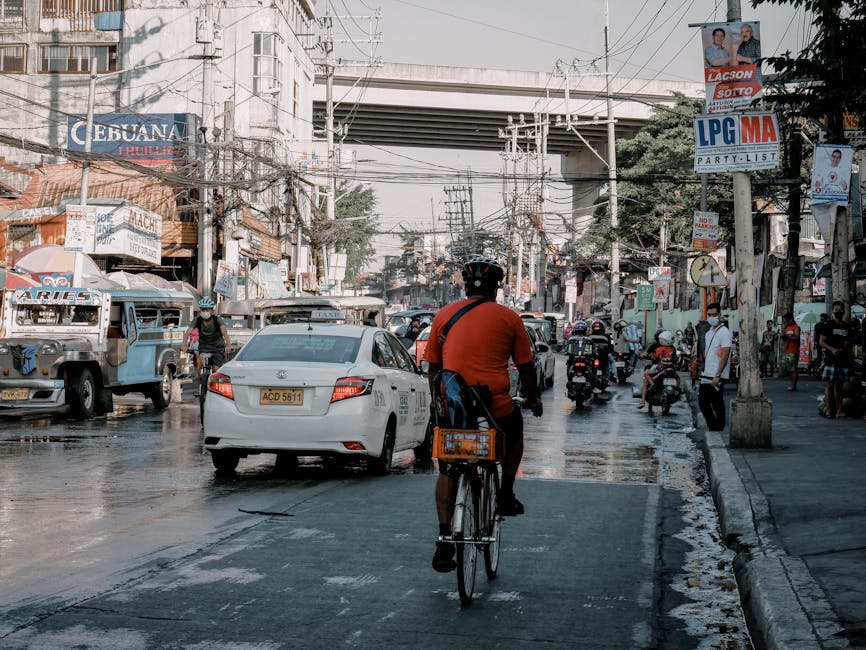
City streets present a mix of challenges that accelerate wear and tear on your bicycle. Unlike smooth country roads or dedicated bike paths, urban environments feature rough pavement, debris, frequent stops, and exposure to weather elements like rain, salt, and grime. These conditions can quickly degrade components such as chains, brakes, and tires if left unchecked. For example, a single ride through a puddle can introduce moisture and dirt into your drivetrain, leading to rust and increased friction. Over time, this buildup causes noise, sluggish shifting, and reduced efficiency.
Moreover, city cyclists often rely on their bikes for daily transportation, making reliability non-negotiable. A sudden flat tire or brake failure during rush hour isn’t just inconvenient—it can be dangerous. Regular maintenance acts as a preventive measure, catching small issues before they become major problems. By dedicating just 10–15 minutes a week to basic checks, you can significantly extend the life of your bike and ensure it performs consistently, no matter the route.
Essential Maintenance Tasks for a Quiet, Smooth Ride
To keep your bicycle running quietly and smoothly, focus on these core maintenance tasks. Each plays a critical role in preserving performance and comfort, especially in stop-and-go city traffic.
1. Clean and Lubricate the Chain
The chain is the heart of your bike’s drivetrain. In city conditions, it collects dirt, oil, and moisture quickly, leading to noise and wear. A dirty chain not only squeaks but also transfers grime to other components like the cassette and chainrings.
To clean it, use a chain cleaning tool or a rag with a degreaser. Scrub thoroughly, then rinse and dry completely. Once dry, apply a drop of bicycle-specific lubricant to each chain link while slowly rotating the pedals. Wipe off excess lube to prevent attracting more dirt. This simple step reduces friction, extends chain life, and keeps your pedaling smooth and quiet.
2. Check and Inflate Tires Regularly
Proper tire pressure is crucial for a smooth ride and puncture resistance. Underinflated tires increase rolling resistance, making pedaling harder and increasing the risk of pinch flats from potholes or curbs. Overinflated tires, on the other hand, offer less grip and absorb fewer shocks, leading to a harsh ride.
Check tire pressure weekly using a reliable gauge. Most city bikes perform best between 60–80 PSI, but refer to the sidewall of your tire for the manufacturer’s recommended range. Inflate as needed, and inspect tires for cuts, embedded glass, or excessive wear. Replacing worn tires before they fail prevents unexpected flats and improves overall ride quality.
3. Inspect and Adjust Brakes
Reliable brakes are non-negotiable in city riding, where sudden stops are common. Squeaky or weak brakes often result from worn pads, misalignment, or contaminated surfaces.
Check brake pad thickness—if they’re thinner than 1mm or unevenly worn, replace them. Ensure pads contact the rim (or rotor, for disc brakes) squarely and don’t rub when the brake isn’t engaged. Clean rims or rotors with isopropyl alcohol to remove oil and grime. For rim brakes, adjust cable tension if the lever feels too loose or too tight. A well-tuned brake system stops you safely and quietly, even in wet conditions.
4. Tighten Bolts and Check for Loose Parts
Vibrations from city streets can loosen bolts over time, leading to creaks, wobbles, or even component failure. Key areas to check include the stem, handlebars, seat post, and crank arms.
Use a torque wrench or appropriate Allen keys to ensure bolts are snug but not over-tightened. Pay special attention to the quick-release levers on wheels and seat posts—these should be firm and secure. A quick visual and tactile inspection before each ride can prevent accidents and maintain a quiet, stable ride.
5. Keep the Drivetrain Clean and Aligned
Beyond the chain, the cassette, chainrings, and derailleurs also need attention. Dirt buildup here causes poor shifting and increased wear.
Use a stiff brush and degreaser to clean the cassette and chainrings. For derailleurs, wipe down the jockey wheels and pivot points. If shifting becomes sluggish or skips gears, the derailleur may need adjustment. While minor tweaks can be done at home, persistent issues are best handled by a professional mechanic.
Building a Simple Weekly Maintenance Routine
Consistency is more important than complexity. A short, weekly routine can prevent most common issues and keep your bike in top condition. Here’s a practical checklist you can follow in under 15 minutes:
- Check tire pressure and inflate if needed.
- Inspect tires for cuts, wear, or embedded debris.
- Test brakes for responsiveness and noise.
- Spin wheels to check for wobbles or rubbing.
- Lubricate the chain if it looks dry or sounds noisy.
- Wipe down the frame to remove dirt and moisture.
- Check quick releases and bolts for tightness.
This routine doesn’t require special tools or expertise—just a few basic items like a pump, rag, lubricant, and Allen keys. Over time, it becomes second nature and pays off in fewer repairs and more enjoyable rides.
Seasonal and Long-Term Maintenance for City Bikes
While weekly checks keep your bike running day-to-day, seasonal maintenance addresses deeper wear and prepares your bike for changing conditions.
Spring and Summer: Prep for High Use
As temperatures rise and riding frequency increases, focus on performance and comfort. Deep-clean the drivetrain, inspect cables for fraying, and consider upgrading to puncture-resistant tires if you frequently encounter debris. Check that lights and reflectors are clean and functional—essential for visibility in longer daylight hours.
Fall and Winter: Protect Against the Elements
Colder months bring rain, salt, and road grime that accelerate corrosion. After each ride in wet conditions, wipe down the frame and drivetrain. Use a wet-weather lubricant that resists washing off. Consider fenders to keep water and mud off you and your bike. Store your bike in a dry place when possible, and inspect it more frequently for rust or wear.
At least once a year, take your bike to a professional for a full tune-up. They can check wheel trueness, headset adjustment, and bottom bracket condition—tasks that are harder to do at home but critical for long-term reliability.
Common Mistakes to Avoid
Even experienced riders can fall into maintenance traps that do more harm than good. Avoid these common errors:
- Over-lubricating the chain: Excess lube attracts dirt, creating a gritty paste that wears components faster.
- Ignoring brake pad wear: Worn pads reduce stopping power and can damage rims or rotors.
- Using household cleaners: Harsh chemicals can degrade rubber seals and paint. Stick to bike-specific products.
- Skipping tire inspections: Small cuts or embedded glass can lead to sudden flats.
- Tightening bolts blindly: Over-tightening can strip threads or crack components. Use a torque wrench when possible.
By avoiding these pitfalls, you’ll maintain your bike more effectively and avoid unnecessary repairs.
Tools and Supplies Every City Cyclist Should Own
You don’t need a full workshop to keep your bike in good shape. A basic toolkit makes maintenance faster and more convenient. Here are the essentials:
| Item | Purpose |
|---|---|
| Bike pump with pressure gauge | For accurate tire inflation |
| Chain lubricant (wet or dry, depending on climate) | Keeps the chain running smoothly |
| Degreaser and cleaning brush | Cleans drivetrain components |
| Allen key set (2mm–8mm) | For tightening bolts and adjustments |
| Tire levers and patch kit | For fixing flats on the go |
| Rag or microfiber cloth | For wiping down parts and removing excess lube |
These items fit easily in a small bag or under your seat, making it possible to perform basic maintenance anywhere.
How Maintenance Enhances Versatility on City Streets
A well-maintained bike adapts better to the varied demands of city riding. Whether you’re navigating bike lanes, hopping curbs, or carrying groceries, a quiet, smooth, and reliable bicycle responds predictably to your input. For example, properly inflated tires and aligned brakes give you confidence when dodging pedestrians or stopping suddenly at a red light. A clean, lubricated chain ensures smooth acceleration from a standstill—a common scenario in urban traffic.
Maintenance also supports versatility in gearing and load. If you use panniers or a rear rack, your bike experiences added stress. Regular checks on the rear derailleur, wheel alignment, and frame integrity ensure these accessories don’t compromise performance. In short, consistent upkeep allows your bike to handle whatever the city throws at it—without complaint.
When to Seek Professional Help
While many maintenance tasks are DIY-friendly, some issues require a mechanic’s expertise. Seek professional help if you notice:
- Persistent gear skipping or poor shifting
- Wheel wobble that doesn’t improve with truing
- Creaking from the bottom bracket or headset
- Brake fluid leaks (on hydraulic systems)
- Frame cracks or significant rust
Ignoring these signs can lead to safety risks or costly repairs down the line. A professional tune-up once or twice a year complements your routine maintenance and ensures everything is in optimal condition.
Final Thoughts: Make Maintenance a Habit
Regular bicycle maintenance isn’t just about preventing breakdowns—it’s about enhancing every aspect of your ride. A quiet, smooth, and reliable bicycle makes city commuting more enjoyable, reduces long-term costs, and gives you peace of mind. By investing a small amount of time each week, you ensure your bike is always ready for the next trip, whether it’s a quick errand or a longer exploration.
Start simple: pick one task, like checking tire pressure, and build from there. Over time, these habits become second nature, and your bike rewards you with consistent performance. Remember, a well-cared-for bicycle isn’t just a mode of transport—it’s a trusted companion on every city street.
FAQ
How often should I lubricate my bike chain?
Lubricate your chain every 100–200 miles or once a week if you ride daily in city conditions. Wipe off excess lube to prevent dirt buildup.
Can I use WD-40 to clean my bike chain?
No. WD-40 is a solvent, not a lubricant. It can strip away necessary oils and damage your chain. Use a dedicated bike chain cleaner and lubricant instead.
What’s the best way to store my bike in the city?
Store your bike in a dry, covered area to protect it from rain and humidity. Use a bike cover if storing outdoors, and consider a wall mount to save space in small apartments.
Related keywords: How regular bicycle maintenance keeps every ride quiet, smooth, and reliable with a focus on versatility for city streets.
