
Electric Bicycle Advice for Understanding Classes, Laws, and Real Costs with a Focus on Security for City Streets Leave a comment
Electric Bicycle Advice for Understanding Classes, Laws, and Real Costs with a Focus on Security for City Streets
Navigating city streets on an electric bicycle can be efficient, eco-friendly, and fun—but only if you understand the rules, costs, and safety realities involved. Electric bicycle advice for understanding classes, laws, and real costs with a focus on security for city streets starts with knowing your bike’s classification, local regulations, and the true expenses beyond the sticker price. This guide breaks down what every urban rider needs to know before hitting the pavement, from speed limits and helmet requirements to theft prevention and insurance considerations.

Understanding Electric Bicycle Classes: What They Mean for City Riding
The U.S. Consumer Product Safety Commission (CPSC) defines three main classes of electric bicycles, each with distinct speed and motor capabilities. These classifications directly affect where you can ride, how fast you can go, and what safety gear is required.
- Class 1: Pedal-assist only, with no throttle. The motor stops assisting at 20 mph. Allowed on most bike paths and lanes where traditional bicycles are permitted.
- Class 2: Equipped with a throttle that can propel the bike up to 20 mph without pedaling. Some cities restrict throttle use on shared paths.
- Class 3: Pedal-assist only, with assistance up to 28 mph. Often subject to additional rules, such as helmet mandates and age restrictions. May be prohibited from certain bike trails.
In dense urban environments like New York City, San Francisco, or Chicago, Class 1 and Class 3 e-bikes are most common. Class 2 models are increasingly popular for stop-and-go commuting but may face access limitations in parks or greenways. Always check your city’s specific ordinances—some municipalities treat Class 3 e-bikes more like mopeds than bicycles.
Why Class Matters for Security and Compliance
Misclassifying your e-bike can lead to fines, confiscation, or denial of insurance claims. For example, riding a Class 3 e-bike on a path restricted to sub-20 mph vehicles could result in a citation. Worse, if you’re involved in an accident while operating an unregistered or misclassified bike, your liability coverage may be voided.
Always verify your bike’s class via the manufacturer’s documentation or a label on the frame. Most reputable brands clearly mark this information. If it’s missing, contact the seller—ambiguity here is a red flag.
City-Specific Laws and Regulations You Can’t Ignore
While federal guidelines set the baseline, state and local laws vary widely. In California, all e-bikes must display a label indicating their class, and riders under 16 must wear helmets. In contrast, Texas allows e-bikes on sidewalks unless local ordinances prohibit it—a practice strongly discouraged in high-traffic downtown areas due to pedestrian safety risks.
New York City permits Class 1 and Class 2 e-bikes on streets and designated bike lanes but bans them from sidewalks and parks like Central Park. Class 3 models require registration in some states, such as New Jersey, though not in NYC itself. Always consult your city’s Department of Transportation website or local bike advocacy group for up-to-date rules.
Common Legal Pitfalls for Urban Riders
- Riding without a helmet where required (especially for Class 3 or minors)
- Using a throttle on a path that only allows pedal-assist
- Exceeding posted speed limits in bike lanes (often capped at 15–20 mph)
- Carrying passengers unless the bike is explicitly designed for it
- Modifying the motor to exceed legal wattage (typically capped at 750W in the U.S.)
Ignorance isn’t an excuse. A single violation can lead to fines ranging from $50 to $500, depending on the jurisdiction. More importantly, non-compliance increases your risk in collisions—both legally and physically.
Real Costs Beyond the Purchase Price
An e-bike’s upfront cost is just the beginning. To make informed decisions, factor in these ongoing and hidden expenses:
| Cost Category | Average Annual Expense | Notes |
|---|---|---|
| Battery Replacement | $300–$800 | Lifespan: 3–5 years depending on usage and care |
| Maintenance (tires, brakes, drivetrain) | $150–$400 | Higher than standard bikes due to weight and speed |
| Insurance | $100–$300 | Optional but recommended for bikes over $1,500 |
| Anti-Theft Measures | $50–$200 | Includes U-locks, GPS trackers, and registration services |
| Charging Electricity | $10–$25 | Negligible per charge, but adds up over time |
For a mid-range e-bike ($2,000–$3,500), expect total ownership costs of $600–$1,200 in the first year alone. Premium models with advanced motors and batteries can double that. Always budget for at least one professional tune-up annually—e-bikes strain components faster than traditional bikes.
Insurance: Is It Worth It?
Most homeowners or renters insurance policies cover e-bikes under personal property, but limits often cap at $1,000–$1,500—far below the value of many modern e-bikes. Dedicated e-bike insurance (from providers like Velosurance or Markel) offers broader protection, including theft, vandalism, and accidental damage, even when riding.
Example: A $4,000 Specialized Turbo Vado stolen from a locked rack may not be fully covered by standard home insurance. With specialized coverage, you’d receive near-full replacement value. Always read the fine print: some policies exclude coverage if the bike was left unattended in high-theft zones.
Security Essentials for City Streets
Urban environments pose unique theft risks. E-bikes are high-value targets—often resold quickly on online marketplaces. In cities like Portland and Austin, e-bike theft reports have risen over 200% since 2020.
Best Practices to Prevent Theft
- Use a high-quality U-lock (not just a cable): Brands like Kryptonite or Abus offer models resistant to angle grinders and bolt cutters.
- Lock the frame and rear wheel to a fixed object: Never lock only the wheel or seat post.
- Remove the battery when possible: This reduces temptation and makes the bike less attractive to thieves.
- Register your bike: Services like Bike Index or 529 Garage help recover stolen bikes and deter resale.
- Park in well-lit, high-traffic areas: Avoid alleys, construction sites, or isolated bike racks after dark.
Consider a GPS tracker (e.g., Invoxia or Apple AirTag in a hidden compartment). While not foolproof, they significantly increase recovery chances. One rider in Seattle tracked his stolen e-bike to a warehouse two miles away using an AirTag hidden under the saddle.
Riding Safety in Traffic
E-bikes accelerate faster than regular bikes, which can surprise both riders and drivers. Always signal turns, obey traffic signals, and ride predictably. Use front and rear lights—even during the day—for visibility.
In bike lanes, stay alert for car doors opening (“dooring”) and pedestrians stepping into the path. Maintain a safe following distance from vehicles, especially at intersections where right-turning cars may not see you.
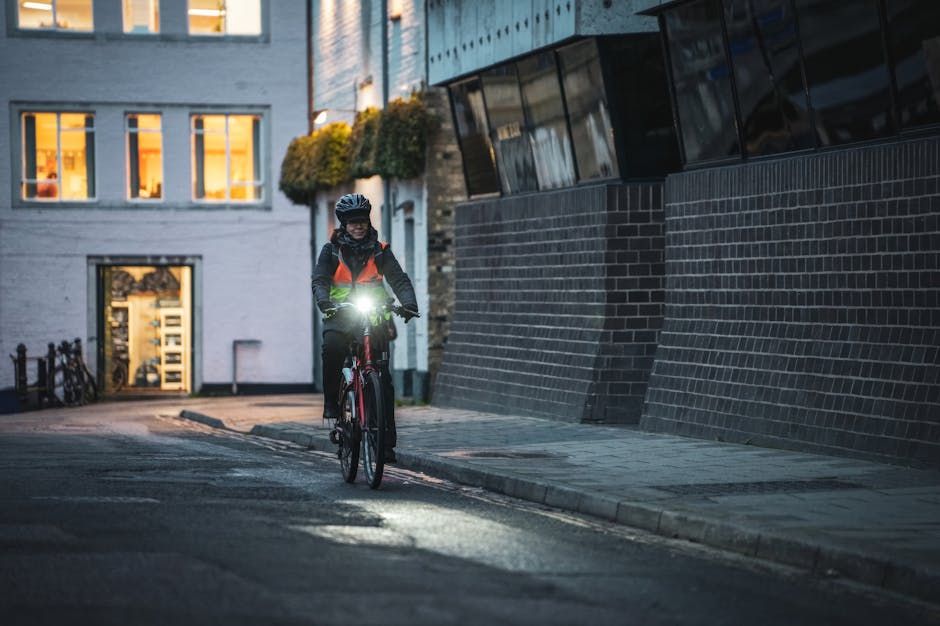
Wear bright or reflective clothing, and consider a helmet with integrated lights or MIPS technology for added protection. In rainy or slick conditions, reduce speed—e-bike tires offer less grip than expected, especially on painted lane markings.
Choosing the Right E-Bike for City Commuting
Not all e-bikes are built for urban life. Prioritize these features:
- Step-through frame: Easier mounting and dismounting in traffic
- Integrated lights and fenders: Essential for night riding and wet weather
- Puncture-resistant tires: Reduces downtime from flats
- Reliable hydraulic disc brakes: Critical for quick stops in stop-and-go traffic
- Removable battery: Allows charging at work or home without hauling the whole bike
Test ride multiple models. A bike that feels stable at 15 mph may wobble at 25 mph—a real concern in cities with uneven pavement and frequent potholes.
Final Takeaways for Safe, Legal, and Cost-Effective Urban E-Biking
Electric bicycle advice for understanding classes, laws, and real costs with a focus on security for city streets boils down to preparation and awareness. Know your bike’s class, follow local laws, budget for hidden costs, and invest in security. A well-informed rider is not only safer but also more likely to enjoy years of reliable, low-stress commuting.
Before your first ride, complete this checklist:
- Verify your e-bike’s class and compliance with local regulations
- Register your bike and install a tracking device
- Purchase a quality lock and helmet
- Review your insurance coverage
- Practice defensive riding in low-traffic areas
FAQ
Can I ride my Class 3 e-bike on any bike path?
Not necessarily. Many cities restrict Class 3 e-bikes to roads or specific high-speed lanes. Always check local ordinances—some parks and greenways ban them entirely due to speed concerns.
Do I need a license or registration for my e-bike?
In most U.S. states, no. However, a few (like New Jersey and Connecticut) require registration for Class 3 models. Licenses are rarely needed, but helmet laws often apply, especially for younger riders.
How can I tell if my e-bike is street-legal?
Ensure it meets CPSC standards: motor under 750W, top speed of 20 or 28 mph depending on class, functional pedals (for Class 1 and 3), and proper labeling. If it exceeds these limits, it may be classified as a motor vehicle requiring registration and insurance.
