
Electric Bicycles Guide to Performance, Charging, and Daily Usability with a Focus on Storage for City Streets Leave a comment
Electric Bicycles Guide to Performance, Charging, and Daily Usability with a Focus on Storage for City Streets
Electric bicycles have become a practical and efficient transportation option for urban commuters. This electric bicycles guide covers everything you need to know about performance, charging routines, and daily usability—especially how to handle storage on crowded city streets. Whether you’re navigating tight bike lanes or securing your ride near a café, understanding these elements ensures a smoother, safer experience. From motor power and battery life to smart parking strategies, we break down the essentials to help you make the most of your e-bike in an urban environment.
Understanding Electric Bicycle Performance
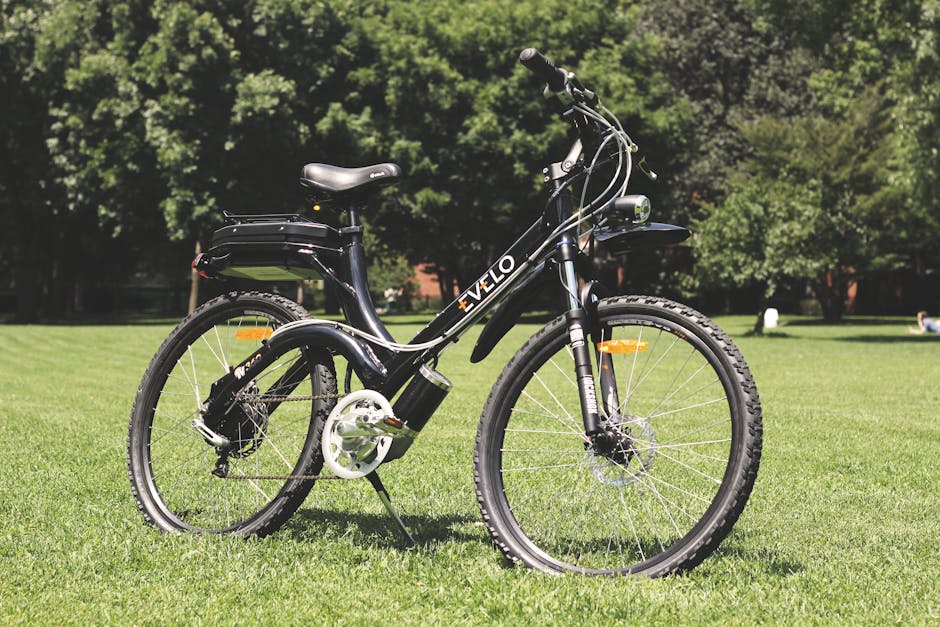
Performance in electric bicycles hinges on three core components: motor power, battery capacity, and frame design. Most city e-bikes feature motors ranging from 250W to 750W. A 250W motor suits flat terrains and light loads, while 500W or higher models handle hills and heavier riders with ease. For example, a 500W rear-hub motor on a commuter e-bike like the RadCity 5 Plus provides consistent torque for stop-and-go traffic without straining the system.
Battery capacity, measured in watt-hours (Wh), directly affects range. A 400Wh battery typically delivers 40–60 km (25–37 miles) on a single charge, depending on assist level and terrain. Higher-capacity batteries, such as 672Wh models found on the Specialized Turbo Vado, extend range to 80+ km (50+ miles), ideal for longer commutes. Always check the battery’s voltage and amp-hour (Ah) rating—higher numbers generally mean more power and longevity.
Frame geometry also impacts performance. Step-through frames offer easier mounting and dismounting, beneficial in stop-heavy city riding. Meanwhile, rigid forks reduce weight and maintenance, though some riders prefer suspension forks for rougher pavement. Weight distribution matters too: mid-drive motors balance the bike better than hub motors, improving handling on tight turns.
Real-World Performance Tips
- Use lower assist modes in flat areas to conserve battery and extend range.
- Avoid sudden acceleration—gradual throttle use reduces motor strain and improves control.
- Keep tires properly inflated—underinflated tires increase rolling resistance and drain the battery faster.
- Plan your route using apps like Komoot or Google Maps to avoid steep hills if your motor isn’t high-powered.
Charging Your E-Bike: Best Practices and Routine
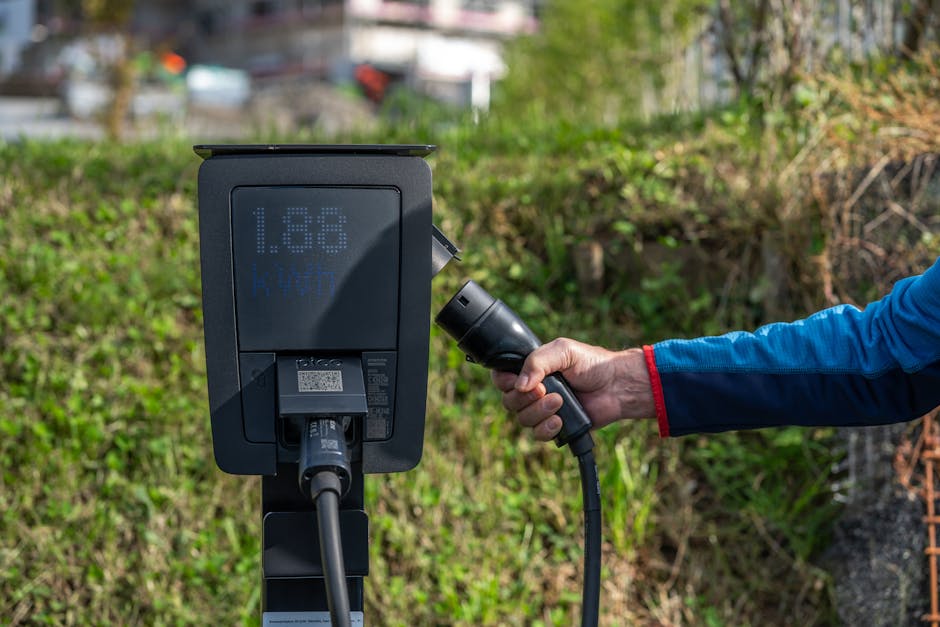
Charging an electric bicycle is straightforward, but following best practices ensures battery longevity and safety. Most e-bikes use lithium-ion batteries, which perform best when kept between 20% and 80% charge. Avoid letting the battery drop to 0% regularly—this can degrade cell health over time. Similarly, leaving it plugged in after reaching 100% isn’t necessary with modern smart chargers, but unplugging once full is a good habit.
Charge time varies by battery size and charger output. A standard 400Wh battery with a 2A charger takes about 5–6 hours. Faster 4A chargers can cut this to 2.5–3 hours, though frequent fast charging may slightly reduce long-term battery life. For daily commuters, charging overnight is ideal—plug in when you get home, and it’s ready by morning.
Always use the manufacturer-provided charger. Third-party chargers may not match voltage or current specifications, risking overheating or fire. Store the battery in a cool, dry place—never in direct sunlight or freezing temperatures. If you won’t use the bike for weeks, store the battery at around 50% charge to maintain cell stability.
Charging on the Go
Urban riders often worry about running out of power mid-commute. While public e-bike charging stations are rare, some cafes, coworking spaces, and bike shops offer charging access for customers. Carrying a portable power bank isn’t practical for most e-bikes due to high voltage requirements, but knowing your range and planning stops can prevent surprises. For example, if your office has an outlet, a short top-up during lunch can add 10–15 km of range.
Daily Usability: Riding Smart in the City
Daily usability goes beyond performance and charging—it’s about integrating your e-bike into your routine. Start with proper fit: adjust the saddle height so your leg is nearly straight at the bottom of the pedal stroke. This reduces fatigue and improves pedaling efficiency, especially when using pedal assist.
Fenders, lights, and a rear rack are essential for city riding. Fenders keep you dry in light rain, while integrated front and rear lights (preferably with daytime running modes) increase visibility. A rear rack allows you to carry a backpack, groceries, or a pannier bag, reducing strain on your back and freeing up handlebar space.
Use pedal assist wisely. Level 1 or 2 is sufficient for most city streets, conserving battery and giving you more control. Reserve higher levels for hills or when you’re running late. Remember, e-bikes are still bicycles—obey traffic laws, signal turns, and ride predictably. In many cities, e-bikes are allowed on bike paths but prohibited on sidewalks.
Safety and Maintenance Checklist
- Check tire pressure weekly—aim for the PSI listed on the tire sidewall.
- Inspect brake pads monthly; replace if thinner than 1mm.
- Lubricate the chain every 200–300 km or after riding in wet conditions.
- Test lights and reflectors before each ride.
- Keep the battery contacts clean and dry.
Storage Solutions for City Streets
One of the biggest challenges for urban e-bike riders is secure, convenient storage. Unlike cars, e-bikes can’t be left unlocked, and indoor space is often limited. The key is combining physical security with smart location choices.
Start with a high-quality lock. A U-lock like the Kryptonite New York Fahgettaboudit Mini offers strong resistance to cutting and leverage attacks. Pair it with a secondary cable or folding lock to secure wheels and the frame. Always lock the frame to a fixed object—never just the wheel. The “Sheldon Brown method” (threading the U-lock through the rear triangle and rear wheel) maximizes security.
Choose well-lit, high-traffic areas for parking. Avoid alleys, construction zones, or isolated spots where theft is more likely. Look for designated bike racks, bike corrals, or secure bike parking facilities. In cities like Amsterdam or Copenhagen, bike parking garages offer covered, monitored spaces—some even with charging stations.
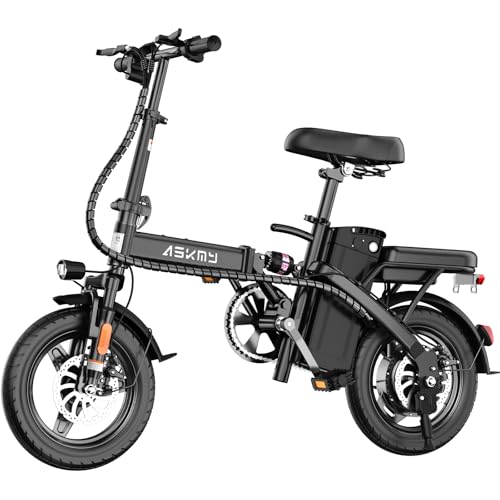
If you live in an apartment, consider a compact e-bike or one with a removable battery. Folding models like the Brompton Electric or Tern Vektron can be stored indoors, reducing theft risk and exposure to weather. For non-folding bikes, use a bike cover to deter tampering and protect from rain.
Indoor Storage Tips
- Use a wall mount or ceiling hoist to save floor space.
- Keep the battery charged between 30% and 60% if storing long-term.
- Avoid storing near heaters, radiators, or windows with direct sun.
- Use a bike stand to prevent tipping and make maintenance easier.
Comparing E-Bike Types for Urban Use
Not all e-bikes are created equal for city riding. Here’s a quick comparison of common types:
| Type | Best For | Pros | Cons |
|---|---|---|---|
| Commuter E-Bikes | Daily city travel, errands | Comfortable, integrated lights, racks, fenders | Heavier, less portable |
| Folding E-Bikes | Apartment dwellers, multi-modal trips | Compact, easy to store, carry on transit | Smaller wheels, less stable at high speed |
| Cargo E-Bikes | Transporting kids, groceries, gear | High capacity, stable, versatile | Expensive, requires more storage space |
| Hybrid E-Bikes | Mixed terrain, weekend rides | Versatile, good for light trails | Less optimized for pure city use |
For most city riders, a commuter e-bike strikes the best balance of comfort, utility, and performance. Folding models are ideal if storage space is tight, while cargo bikes suit families or delivery riders.
Common Mistakes to Avoid
Even experienced riders make errors that affect performance and safety. One common mistake is overestimating range. Always assume you’ll get 10–15% less range than advertised, especially in cold weather or with heavy loads. Carry a charger at work or plan a route with a café stop if your commute is near your bike’s limit.
Another pitfall is neglecting maintenance. E-bikes have more components than regular bikes—motors, batteries, controllers—and require regular checks. Ignoring brake wear or chain lubrication can lead to costly repairs or accidents.
Finally, don’t skimp on the lock. A $50 bike lock won’t stop a determined thief. Invest in a $100+ U-lock and use it correctly every time. Insurance helps, but prevention is better—register your bike with a service like Bike Index and take photos of the serial number.
Final Thoughts
This electric bicycles guide highlights the key factors that determine real-world usability: performance tuned to city demands, smart charging habits, and secure storage solutions. By understanding your bike’s capabilities and planning for urban challenges, you can enjoy reliable, eco-friendly transportation every day. Whether you’re commuting to work, running errands, or exploring the city, your e-bike can be a practical and enjoyable part of your routine—if you use it wisely.
FAQ
How far can I ride on a single charge?
Most city e-bikes offer 40–80 km (25–50 miles) per charge, depending on battery size, assist level, terrain, and rider weight. Use lower assist modes and maintain proper tire pressure to maximize range.
Can I charge my e-bike at work or public places?
Some offices, cafes, and bike shops allow charging, but it’s not common. Always ask permission first. For longer commutes, consider a higher-capacity battery or plan a midday top-up if an outlet is available.
What’s the best way to store my e-bike on city streets?
Use a high-quality U-lock to secure the frame and rear wheel to a fixed rack in a well-lit, busy area. Avoid isolated spots, and never leave your bike unlocked—even for a minute.
