
Best Bicycles Compared for Riders Who Value Quality, Fit, and Performance with a Focus on Gearing for City Streets Leave a comment
Best Bicycles Compared for Riders Who Value Quality, Fit, and Performance with a Focus on Gearing for City Streets
Finding the best bicycles for city riding means more than just picking a stylish frame—it’s about matching quality components, proper fit, and smart gearing to the realities of urban terrain. For riders who prioritize performance on stop-and-go streets, hills, and bike lanes, the right gearing system can make the difference between a smooth commute and a frustrating grind. This guide compares top city bikes across key categories, focusing on how their drivetrains, frame geometry, and build quality serve real-world urban needs. Whether you’re navigating flat downtown grids or tackling rolling neighborhoods, these models deliver reliable shifting, efficient power transfer, and comfort over varied pavement.

Why Gearing Matters Most for City Riding
City streets demand versatility. You’ll face traffic lights every few blocks, occasional hills, bike paths with gravel patches, and the need to accelerate quickly from stops. A well-matched gear system keeps you in the optimal cadence range—typically 70–90 RPM—without constant shifting or straining on inclines.
Internal hub gears (like those from Shimano or Rohloff) offer low maintenance and weather resistance, ideal for wet climates. Derailleur systems provide wider gear ranges and lighter weight, better suited for hilly cities or longer commutes. Single-speed bikes work only on very flat, low-traffic routes—most urban riders benefit from at least 3–8 speeds.
Look for gear inches between 45 and 85 for balanced city performance. Too low, and you’ll spin out on descents; too high, and hills become exhausting. Many modern city bikes now include belt drives paired with internal hubs, eliminating chain grease and extending service intervals.
Top City Bikes Compared: Quality, Fit, and Gearing
Below are five standout models that excel in build quality, rider fit, and gearing tailored to city conditions. Each has been selected based on component reliability, frame design, and real-world usability.
1. Trek District 4
The Trek District 4 features a lightweight aluminum frame with a relaxed geometry that promotes upright comfort—ideal for visibility in traffic. Its Shimano Nexus 8-speed internal hub offers smooth, maintenance-friendly shifting through a wide 309% gear range. The Gates Carbon Drive belt system means no chain lube, reduced wear, and silent operation.
Fit is adjustable via stem and seatpost options, accommodating riders from 5’2″ to 6’2″. Hydraulic disc brakes provide consistent stopping power in rain or snow. At $1,899, it’s a premium option for commuters who want durability and refinement.
2. Specialized Sirrus X 4.0
Built for mixed-surface city riding, the Sirrus X 4.0 uses a 1×9 Shimano Acera/Altus derailleur setup with a wide-range cassette (11–42T). This simplifies shifting while offering enough range for moderate hills. The aluminum frame includes rack and fender mounts, and the flat handlebars encourage an aggressive yet controlled posture.
With clearance for 42mm tires, it handles potholes and light trails with ease. The stock ergonomic grips and Body Geometry saddle enhance long-ride comfort. Priced at $1,200, it’s a strong value for performance-minded urban riders.
3. Priority Continuum Onyx
This belt-drive bike pairs a Gates CDX belt with a Shimano Alfine 8-speed internal hub—offering sealed, grease-free operation and 309% gear range. The step-through aluminum frame suits riders seeking easy mounting and dismounting, especially in casual clothing.
Gearing is optimized for flat to gently rolling terrain, with smooth triggers on the handlebar for intuitive shifting. Integrated lights and a rear rack add practicality. At $1,699, it’s a top pick for hassle-free daily commuting.
4. Cannondale Quick CX 3
The Quick CX 3 uses a 2×8 Shimano Claris drivetrain, giving riders 16 usable gears for varied city topography. The lightweight SmartForm C3 alloy frame includes a suspension fork (63mm travel) to absorb road vibrations—a rarity in this price range.
Its slightly forward-leaning geometry suits riders who want efficiency without sacrificing comfort. Wide 700x38c tires add stability on uneven surfaces. For $950, it delivers exceptional component value and versatility.
5. Linus Roadster Sport
A retro-styled steel frame bike with modern upgrades, the Roadster Sport features a Shimano Tourney 8-speed derailleur and flip-flop rear hub for optional fixed-gear use. While not ideal for steep hills, its 48/38T crankset and 11–32T cassette provide adequate range for flat cities like Portland or Amsterdam.
The upright position and swept-back handlebars prioritize comfort over speed. Chromoly steel absorbs road shock naturally. At $899, it appeals to riders who value classic aesthetics without compromising basic performance.
How to Choose the Right Fit and Gearing for Your City
Even the best bicycles won’t perform well if they don’t fit. Start by measuring your inseam and comparing it to the manufacturer’s size chart. Most brands offer small, medium, and large frames, but some (like Trek and Specialized) provide detailed fit guides based on height and riding style.
Test ride whenever possible. Pay attention to:
- Knee alignment over the pedal at bottom dead center
- Reach to the handlebars—should feel natural, not stretched or cramped
- Hip rock when seated—minimal movement indicates good fit
For gearing, consider your city’s topography:
- Flat cities (e.g., Copenhagen, Austin): 3–8 speeds suffice; internal hubs or single-speed may work
- Hilly cities (e.g., San Francisco, Pittsburgh): Opt for 8–11 speeds with low gear ratios (below 30 gear inches)
- Mixed terrain with bike paths: Wider tires (35mm+) and suspension or steel frames improve comfort
Always prioritize brake type. Rim brakes are lighter but less effective in wet conditions. Mechanical disc brakes offer better modulation; hydraulic discs provide the strongest, most consistent stopping power—worth the upgrade for daily commuters.
Maintenance Tips to Preserve Performance
City bikes endure more wear than recreational models due to frequent stops, debris, and weather exposure. Follow these practices to maintain gearing and overall performance:
- Clean the drivetrain monthly: Use a biodegradable degreaser on chains (if not belt-driven); wipe down internal hub shells
- Lubricate wisely: Apply light bike-specific lube to chains after cleaning; avoid over-lubing, which attracts dirt
- Check tire pressure weekly: Underinflated tires increase rolling resistance and puncture risk
- Inspect brake pads: Replace when thickness drops below 1mm
- Service internal hubs annually: Even sealed systems benefit from professional inspection
Avoid washing your bike with high-pressure hoses—they can force water into bearings and hubs. Instead, use a sponge and bucket with mild soap.
Common Mistakes to Avoid
Many urban riders compromise performance by overlooking key details:
- Ignoring frame material: Aluminum is light and stiff; steel offers comfort but adds weight; carbon is rare in city bikes due to impact risk
- Choosing style over function: Fashionable single-speeds often lack the gearing needed for real city use
- Skipping test rides: Fit affects comfort, control, and injury risk—never buy sight unseen
- Neglecting accessories: Fenders, racks, and lights are essential for daily utility
Also, be wary of “commuter” bikes with cheap components masked by sleek branding. Look for reputable drivetrain brands like Shimano, SRAM, or Microshift—even at entry levels.
Final Thoughts: Matching Bike to Rider
The best bicycles for city streets aren’t defined by price alone—they’re defined by how well they align with your riding environment, body, and expectations. A $900 bike with the right gearing and fit can outperform a $2,000 model that’s mismatched to your needs.
Prioritize internal hubs if you ride in rain or snow; choose derailleurs for hills or long distances. Ensure the frame fits your torso and leg length. And always factor in real-world usability: can you carry groceries? Lock it securely? Ride in business casual clothes?
Investing in a quality city bike pays dividends in reduced maintenance, safer commutes, and greater enjoyment. With the right gearing and fit, every ride becomes smoother, faster, and more efficient.
FAQ
What’s the ideal number of gears for city riding?
Most urban riders benefit from 3 to 8 speeds. Flat cities may only need 3–5, while hilly areas require 8–11. Internal hubs typically offer 3, 5, 7, or 8 speeds; derailleurs provide more range.
Can I use a road bike for city commuting?
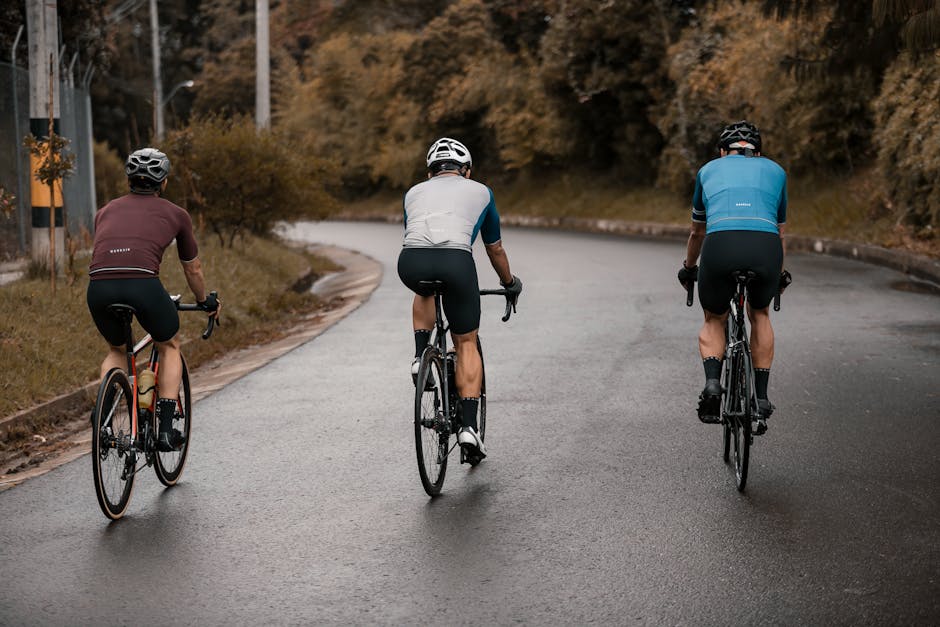
Yes, but with caveats. Road bikes prioritize speed over comfort and often lack mounts for racks or fenders. Narrow tires and aggressive geometry can make city riding less stable and practical. Consider a hybrid or urban-specific model instead.
How often should I service my city bike’s gears?
Derailleur systems need monthly cleaning and lubrication; internal hubs require annual professional servicing. Belt drives need minimal maintenance—just occasional cleaning and tension checks.
