
Seasonal Bicycle Maintenance Guide for Year-Round Cycling Performance with a Focus on Storage for City Streets Leave a comment
Seasonal Bicycle Maintenance Guide for Year-Round Cycling Performance with a Focus on Storage for City Streets
Keeping your bike in top condition throughout the year requires consistent care, especially if you ride daily on city streets. A seasonal bicycle maintenance guide for year-round cycling performance with a focus on storage for city streets helps prevent wear, extend component life, and ensure safe, reliable rides in all weather. Whether you’re commuting through rain, snow, or summer heat, proper upkeep and smart storage make the difference between a smooth pedal and a breakdown at the worst moment. This guide walks you through essential checks, cleaning routines, lubrication schedules, and storage strategies tailored to urban environments.
Why Seasonal Maintenance Matters for City Cyclists
City riding exposes your bike to unique stresses: stop-and-go traffic, potholes, curbs, frequent braking, and constant exposure to dirt, salt, and moisture. Unlike recreational riders who may only cycle on weekends, urban commuters log miles daily, accelerating wear on chains, brakes, tires, and drivetrains. Without regular attention, small issues—like a slightly loose headset or a dry chain—can escalate into costly repairs or safety hazards.
Seasonal maintenance isn’t just about fixing problems—it’s about prevention. A spring tune-up prepares your bike for increased use, while a winter check ensures it survives cold, wet months. Fall maintenance clears debris before storage, and summer care combats heat and dust. Each season demands specific attention, especially when storing your bike in apartments, garages, or bike rooms common in city living.
Spring: Preparing for Increased Use
After a slower winter, spring is the ideal time to get your bike ready for daily commutes and longer rides. Start with a full inspection.
Inspect and Tighten Key Components
- Bolts and fasteners: Check stem, handlebars, seat post, and crank arms. Use a torque wrench to avoid over-tightening.
- Brake pads: Look for wear indicators or uneven surfaces. Replace if less than 1mm thick.
- Tires: Inspect for cracks, embedded glass, or low tread. Inflate to the recommended PSI (usually printed on the sidewall).
- Cables and housing: Look for fraying or rust. Replace if shifting or braking feels sluggish.
Clean and Lubricate the Drivetrain
Winter grime and road salt can corrode your chain and cassette. Clean the chain with a degreaser and a brush, then rinse and dry thoroughly. Apply a light bicycle-specific lubricant—avoid WD-40, which attracts dirt. Wipe off excess to prevent buildup.
Test Ride and Adjust
Take a short ride to test brakes, gears, and handling. Listen for unusual noises. Adjust derailleurs if shifting is inconsistent. Ensure quick-release levers and thru-axles are secure.
Summer: Managing Heat and Dust
Summer brings longer days and more miles, but also heat, sweat, and urban dust that degrade components faster.
Protect Against Overheating and Corrosion
Metal parts can expand in heat, affecting fit and function. Store your bike in a cool, shaded area—avoid direct sunlight on tires and grips, which can cause cracking. If you park outdoors, use a breathable cover to reduce UV exposure.
Increase Cleaning Frequency
Sweat, sunscreen, and city grime accumulate quickly. Wipe down the frame, handlebars, and saddle after long rides. Clean the chain every 100–150 miles or weekly during peak use.
Check Tire Pressure Regularly
Heat increases air pressure inside tires. Check PSI before each ride, especially on hot days. Overinflated tires are more prone to blowouts on rough city roads.
Fall: Prepping for Harsher Conditions
As temperatures drop and leaves fall, city streets become slick and debris-covered. Fall maintenance focuses on safety and protection.
Switch to All-Weather Tires
Consider wider, puncture-resistant tires with deeper tread for better grip on wet leaves and puddles. Examples include the Schwalbe Marathon Plus or Continental Contact Urban.
Upgrade Lighting and Visibility
Days shorten quickly in fall. Ensure front and rear lights are charged and bright. Add reflective tape to wheels and frame for low-light visibility.
Apply Frame Protection
Use a silicone-based protectant on the frame to repel water and prevent rust. Pay extra attention to weld points and under the downtube, where dirt collects.
Winter: Surviving Cold, Wet, and Salty Streets
Winter is the toughest season for city bikes. Salt, slush, and freezing temperatures accelerate corrosion and wear.
Use a Winter-Specific Chain Lube
Switch to a wet lube formulated for cold, wet conditions. It resists washing off and protects against rust. Reapply every 50–75 miles.
Install Fenders and Mudguards
Full-coverage fenders prevent road spray from soaking your drivetrain and clothes. They’re essential for city commuting in rain or snow.
Store Indoors Whenever Possible
Moisture is the enemy. If you must store your bike outside, use a waterproof cover and elevate it off the ground. Avoid leaving it in damp basements without ventilation.
Smart Storage Solutions for City Living
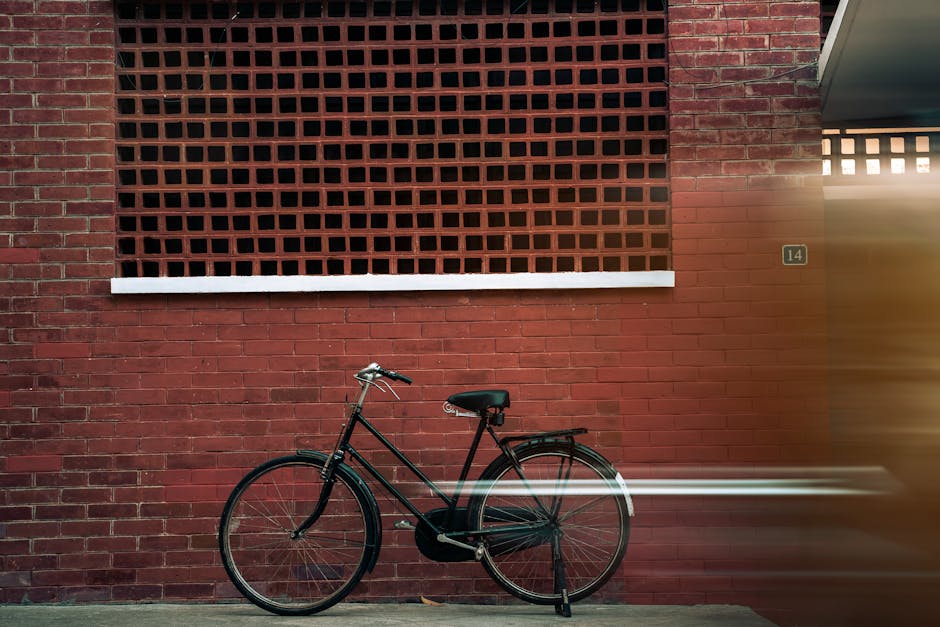
Urban dwellers often face space constraints. Proper storage protects your bike and extends its lifespan.
Indoor Storage Best Practices
- Apartment storage: Use wall mounts or ceiling hooks to save floor space. Keep bikes away from heaters and humidifiers.
- Avoid concrete floors: If storing in a garage or basement, place a rubber mat or wooden board under the bike to prevent moisture wicking.
- Cover when not in use: A breathable bike cover reduces dust and protects paint.
Outdoor and Shared Storage Tips
If you rely on bike rooms, racks, or sheds:
- Use a high-quality U-lock and secure both wheels and frame.
- Remove lights, saddle, or quick-release wheels if theft is a concern.
- Check your bike weekly for signs of tampering or moisture damage.
Seasonal Storage for Non-Riders
If you stop riding in winter, prepare your bike for long-term storage:
- Clean thoroughly and lubricate the chain.
- Inflate tires to max PSI to prevent flat spots.
- Store in a dry, temperature-stable environment.
- Consider removing the battery if you have an e-bike.
Essential Tools for DIY Maintenance
You don’t need a full workshop, but a few tools make seasonal upkeep easier:
| Tool | Purpose |
|---|---|
| Chain checker | Measures chain wear to prevent cassette damage |
| Torque wrench | Ensures bolts are tightened to spec |
| Tire levers | Helps remove tires for puncture repair |
| Degreaser and brush | Cleans drivetrain effectively |
| Bike pump with gauge | Maintains proper tire pressure |
When to Visit a Professional Mechanic
While many tasks can be done at home, some require expert attention:
- Hydraulic brake bleeding
- Wheel truing or spoke replacement
- Bottom bracket or headset overhaul
- Electronic shifting diagnostics
If you notice persistent shifting issues, brake squealing, or frame cracks, visit a local bike shop. Regular professional tune-ups (once or twice a year) complement your seasonal routine.
Final Tips for Year-Round Performance
- Keep a maintenance log to track lubrication, replacements, and inspections.
- Invest in quality components—they last longer and perform better in city conditions.
- Listen to your bike. Unusual sounds or handling changes are early warning signs.
- Adjust your routine based on your riding frequency and local climate.
A well-maintained bike is safer, more efficient, and more enjoyable to ride. By following a seasonal bicycle maintenance guide for year-round cycling performance with a focus on storage for city streets, you’ll reduce repair costs, avoid breakdowns, and keep rolling smoothly through every season.
FAQ
How often should I clean my bike if I ride daily in the city?
Clean your drivetrain every 100–150 miles or weekly during heavy use. Wipe down the frame and components after rides in wet or dirty conditions.
Can I store my bike outside in winter?
It’s not ideal, but if necessary, use a waterproof cover, elevate it off the ground, and check it weekly for moisture or damage. Indoor storage is always preferable.
What’s the best way to prevent rust on a city bike?
Regular cleaning, proper lubrication, indoor storage, and using a frame protectant help prevent rust. Avoid leaving your bike wet or exposed to salt for long periods.
