
Best Bicycles to Consider for Smoother Commuting, Fitness, and Leisure Riding with a Focus on Traction for City Streets Leave a comment
Best Bicycles to Consider for Smoother Commuting, Fitness, and Leisure Riding with a Focus on Traction for City Streets
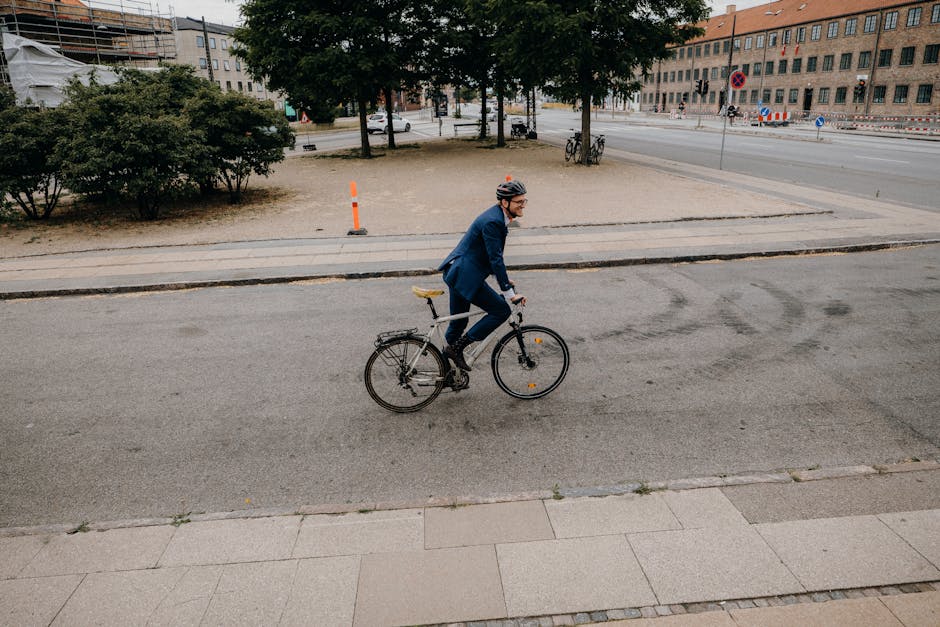
Finding the best bicycles to consider for smoother commuting, fitness, and leisure riding with a focus on traction for city streets means balancing comfort, durability, and control. Whether you’re dodging potholes, climbing hills, or cruising along bike lanes, the right bike enhances your experience and keeps you safe. City streets demand tires and frames that grip well on wet pavement, handle frequent stops, and absorb road vibrations. This guide breaks down the top bike types and models that deliver reliable traction and performance for urban environments, helping you choose based on your riding goals, budget, and local terrain.
Why Traction Matters on City Streets
Urban riding presents unique challenges: slick manhole covers, gravel-strewn corners, sudden rain, and uneven pavement. Without adequate traction, even minor obstacles can lead to skids or falls. Traction—how well your tires grip the road—depends on tire width, tread pattern, rubber compound, and frame geometry. Wider tires (32mm and up) offer more contact with the ground, improving stability. Slick or lightly treaded tires work best on dry pavement, while grooved or semi-slick designs channel water away in wet conditions. A bike with responsive handling and balanced weight distribution also contributes to better control during quick maneuvers.
For commuters, fitness riders, and weekend explorers alike, prioritizing traction means fewer accidents, more confidence, and a more enjoyable ride. It’s not just about speed—it’s about consistency and safety over varied surfaces.
Top Bike Types for City Riding
Not all bikes are created equal when it comes to urban use. Here are the most suitable types, each offering distinct advantages for city streets.
Hybrid Bikes: The All-Rounder
Hybrid bikes blend features from road and mountain bikes, making them ideal for mixed-use city riding. They typically come with flat handlebars for upright posture, medium-width tires (32–42mm), and lightweight aluminum frames. Their versatility suits daily commutes, errands, and leisurely weekend rides.
Look for models with puncture-resistant tires and mounts for fenders and racks—practical additions for real-world use. The Trek FX Series and Specialized Sirrus are standout hybrids known for their smooth ride and reliable traction on paved and lightly graveled paths.
Fitness Bikes: Speed Meets Comfort
Fitness bikes are designed for efficiency and agility. They have drop bars like road bikes but with a more relaxed geometry and slightly wider tires (28–32mm). These bikes prioritize speed without sacrificing comfort, making them great for longer commutes or fitness-focused rides.
The Giant FastRoad and Cannondale Quick series offer excellent traction with grippy, low-rolling-resistance tires. Their responsive frames help navigate traffic quickly, while hydraulic disc brakes provide consistent stopping power in all weather.
City and Urban Bikes: Built for Daily Use
City bikes are purpose-built for metropolitan environments. They often include full fenders, chain guards, built-in lights, and rear racks. With step-through frames and upright seating, they’re accessible and practical for riders of all ages.
Models like the Gazelle Medeo T10 and Electra Townie Go! (an electric option) feature wide, stable tires and low center of gravity for confident handling. Their tires are specifically designed for urban traction, with reinforced sidewalls and water-channeling treads.
Electric Bikes (E-Bikes): Power-Assisted Traction
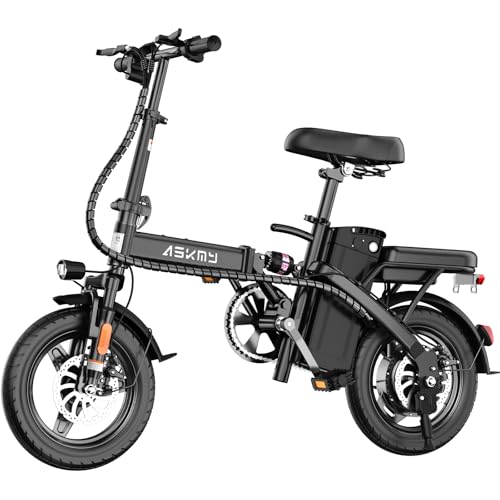
E-bikes are gaining popularity for city commuting due to their ability to reduce effort on hills and long distances. Modern e-bikes come with torque sensors and pedal-assist systems that respond naturally to your pedaling. Many include wider, high-grip tires to handle the added weight and speed.
The Rad Power Bikes RadCity 5 Plus and Trek Verve+ 3 are excellent examples, offering 20-inch or 26-inch wheels with 2.3-inch wide tires for superior traction. Their motors provide smooth acceleration without compromising control, especially useful in stop-and-go traffic.
Key Features That Enhance Traction and Ride Quality
When evaluating bikes, focus on components that directly impact traction and comfort on city streets.
Tire Selection
Tires are your bike’s only contact with the road. For city use, aim for tires between 32mm and 42mm in width. Look for puncture-resistant casings and a tread pattern that balances grip and rolling efficiency. Brands like Schwalbe and Continental offer city-specific models such as the Schwalbe Marathon Plus (known for durability) and Continental Contact Urban (optimized for wet grip).
Avoid overly knobby tires—they increase rolling resistance on pavement. Instead, choose semi-slick or file-tread designs that maintain speed while providing edge grip in corners.
Frame Geometry and Material
A relaxed, upright geometry improves visibility and control in traffic. Aluminum frames are lightweight and corrosion-resistant, ideal for daily use. Steel frames offer a smoother ride due to natural flex but are heavier. Carbon fiber is less common in city bikes but appears in high-end models for its vibration-damping properties.
Test ride different geometries to find one that feels stable at low speeds and responsive when turning.
Braking Systems
Reliable brakes are non-negotiable in cities with frequent stops. Rim brakes (like traditional calipers) are adequate in dry conditions but lose effectiveness when wet. Disc brakes—especially hydraulic ones—offer consistent stopping power in rain and mud.
For maximum safety, choose bikes with hydraulic disc brakes. They require less hand force and perform better under load, crucial when carrying cargo or riding in traffic.
Suspension and Comfort Features
While full suspension is overkill for pavement, front suspension forks or seatpost suspension can absorb bumps from potholes and curbs. Some hybrids and city bikes include suspension seatposts or ergonomic saddles to reduce fatigue.
Alternatively, consider a bike with a carbon fork or compliant frame design that naturally dampens vibrations without adding weight.
Comparing Top Models for City Riding
To help narrow your options, here’s a comparison of five highly rated bikes across categories, focusing on traction, comfort, and urban suitability.
| Bike Model | Type | Tire Width | Brakes | Key Traction Features | Best For |
|---|---|---|---|---|---|
| Trek FX 3 Disc | Hybrid | 32mm | Hydraulic Disc | Bontrager H2 tires, flat handlebars for control | Daily commuting, fitness |
| Specialized Sirrus X 4.0 | Hybrid (Gravel-Inspired) | 42mm | Hydraulic Disc | Wide tires, stable geometry, gravel-capable tread | Rough roads, light trails |
| Giant FastRoad SL 2 | Fitness | 28mm | Hydraulic Disc | Lightweight frame, grippy Giant tires | Speed-focused urban rides |
| Gazelle Medeo T10 | City | 37mm | Hydraulic Disc | Integrated lighting, full fenders, stable ride | All-weather commuting |
| Rad Power Bikes RadCity 5 Plus | E-Bike | 2.3″ (58mm) | Hydraulic Disc | Wide tires, torque sensor, step-through frame | Hilly cities, long commutes |
How to Choose the Right Bike for Your Needs
With so many options, selecting the right bike starts with understanding your riding habits.
Step 1: Define Your Primary Use
Are you commuting 5 miles each way? Riding for weekend fitness? Running errands around town? Your main purpose will guide your choice. Commuters benefit from durability and practical features like racks and fenders. Fitness riders prioritize speed and efficiency. Leisure riders value comfort and ease of use.
Step 2: Assess Your Local Terrain
Hilly cities demand lower gears or electric assist. Flat areas allow for lighter, faster bikes. If your route includes gravel paths or poorly maintained roads, opt for wider tires and a more forgiving frame.
Step 3: Consider Weather Conditions
Rainy climates require bikes with disc brakes and water-resistant components. Fenders prevent spray, and reflective elements improve visibility. In snowy or icy areas, studded tires may be necessary, though they’re less common on standard city bikes.
Step 4: Test Ride Before Buying
Always test ride a bike on similar terrain to your daily route. Pay attention to how it handles at low speeds, how the brakes feel, and whether the tires grip during turns. A comfortable, confidence-inspiring ride is worth more than specs on paper.
Maintenance Tips to Preserve Traction and Performance
Even the best bike loses effectiveness without proper care. Regular maintenance ensures your tires maintain grip and your bike stays safe.
- Check tire pressure weekly: Underinflated tires reduce efficiency and increase pinch flats. Overinflated tires lose grip and feel harsh. Use the PSI range printed on the tire sidewall as a guide.
- Inspect tread wear: Worn tires become slick and dangerous. Replace tires when the tread is smooth or cracks appear.
- Clean your drivetrain: A dirty chain and cassette reduce power transfer and can cause slipping. Clean and lubricate every 100–200 miles.
- Service brakes regularly: Squeaky or weak brakes signal worn pads or air in hydraulic lines. Have them checked annually or after heavy use.
- Store indoors when possible: Exposure to rain and sun degrades rubber and metal over time. Use a bike cover if outdoor storage is unavoidable.
Common Mistakes to Avoid
Even experienced riders make errors that compromise safety and performance.
- Ignoring tire width: Choosing narrow racing tires for city use sacrifices comfort and grip. Stick to 32mm or wider for urban environments.
- Skipping disc brakes: Rim brakes are cheaper but less reliable in wet conditions. Invest in disc brakes for consistent stopping power.
- Overlooking fit: A bike that’s too big or small affects control and comfort. Get professionally fitted if possible.
- Neglecting accessories: Lights, locks, and helmets are essential. A U-lock deters theft, while front and rear lights improve visibility.
Final Thoughts: Invest in the Right Bike for Your City Life
The best bicycles to consider for smoother commuting, fitness, and leisure riding with a focus on traction for city streets combine smart design, quality components, and rider-centric features. Whether you choose a hybrid, fitness bike, city model, or e-bike, prioritize tires that grip well, brakes that respond reliably, and a frame that suits your posture and route. Don’t compromise on safety or comfort—your daily ride should feel effortless and secure. With the right bike, city streets become less of a challenge and more of an opportunity to move freely, stay active, and enjoy the ride.
FAQ
What tire width is best for city riding?
For most city riders, tires between 32mm and 42mm offer the best balance of speed, comfort, and traction. Wider tires (38mm+) are better for rough pavement or gravel paths, while narrower ones (28–32mm) suit smooth roads and faster rides.
Are disc brakes necessary for urban biking?
Yes, especially in wet or hilly areas. Hydraulic disc brakes provide stronger, more consistent stopping power than rim brakes and perform better in rain and mud. They’re a worthwhile investment for safety and control.
Can I use a road bike for city commuting?
It’s possible, but not ideal. Road bikes have narrow tires and aggressive geometry, which reduce comfort and traction on rough or wet streets. For regular city use, a hybrid, fitness, or city bike is a safer, more practical choice.
