Best Bicycles Shortlist for Riders Comparing Price, Weight, and Features with a Focus on Safety for City Streets Leave a comment
Best Bicycles Shortlist for Riders Comparing Price, Weight, and Features with a Focus on Safety for City Streets
Choosing the right city bike means balancing affordability, weight, and safety—especially when navigating busy streets, intersections, and bike lanes. This best bicycles shortlist highlights top models that deliver reliable performance without compromising on essential safety features. Whether you’re commuting daily or riding occasionally, we’ve compared real-world specs across price points to help you make a confident decision. Each bike listed here meets strict criteria: strong braking systems, reflective elements or integrated lighting, durable frames, and practical gearing for urban terrain. Read on for detailed comparisons, key considerations, and actionable advice to find your ideal ride.
Why Safety Matters Most on City Streets
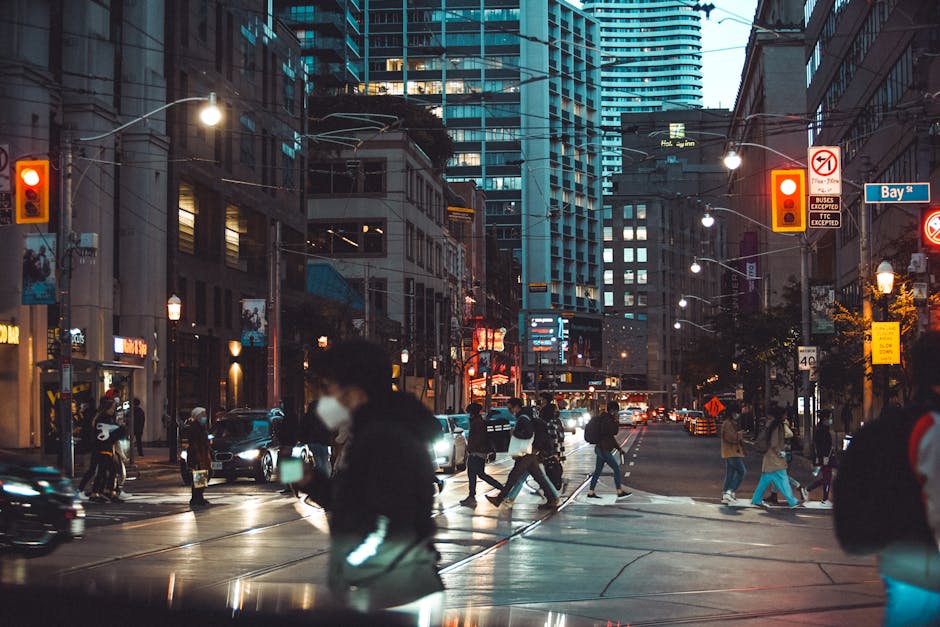
Urban cycling presents unique hazards: sudden car doors, erratic traffic, poor visibility at night, and frequent stops. A safe city bike isn’t just about speed or style—it’s about predictability, control, and visibility. Look for bikes with disc brakes (mechanical or hydraulic), which offer consistent stopping power in wet conditions. Integrated front and rear lights powered by dynamo hubs or rechargeable batteries significantly increase your visibility. Reflective tires, frame decals, and bright color options also help other road users see you sooner.
Beyond active safety features, consider geometry. Upright handlebars improve awareness and reduce strain during long rides. Step-through frames make mounting and dismounting easier at red lights—a small detail that enhances control in stop-and-go traffic. Avoid overly aggressive racing geometries; they sacrifice comfort and visibility for aerodynamics you won’t benefit from in city use.
Key Factors to Compare: Price, Weight, and Features
When evaluating city bikes, three factors dominate most riders’ decisions: how much it costs, how heavy it feels, and what features it includes. These aren’t mutually exclusive—lighter bikes often cost more—but understanding trade-offs helps you prioritize based on your needs.
Price
City bikes range from under $400 to over $2,000. Budget models ($400–$700) typically use steel frames, basic rim brakes, and single-speed or 3-speed drivetrains. Mid-range options ($700–$1,200) offer aluminum frames, internal gear hubs, and better braking. Premium bikes ($1,200+) include carbon components, advanced lighting, and smart integration (like GPS trackers or app connectivity). For most riders, the $700–$1,000 sweet spot delivers excellent value with reliable safety features.
Weight
Lighter bikes accelerate faster and climb hills more easily—but in flat city environments, weight differences under 5 pounds rarely matter. Aluminum frames typically weigh 25–30 pounds total; steel adds 3–7 pounds but offers a smoother ride. Carbon is rare in city bikes due to cost and durability concerns. Focus less on minimal weight and more on balanced handling: a slightly heavier bike with stable geometry often feels more secure in traffic.
Features That Enhance Urban Safety
- Brakes: Disc brakes outperform rim brakes in rain and require less hand force.
- Lighting: USB-rechargeable LED lights with steady and flash modes are standard on many new models.
- Gearing: Internal hub gears (e.g., Shimano Nexus or Enviolo) protect chains from dirt and allow shifting while stopped—ideal for traffic lights.
- Tires: 32–42mm width provides stability and puncture resistance. Look for reflective sidewalls.
- Fenders and Racks: Built-in mounts for fenders and rear racks keep you dry and let you carry bags safely.
Top 5 City Bikes Compared
Below is a curated selection of five standout models that balance price, weight, and safety-focused features. All are currently available in North America and Europe, with verified user reviews and manufacturer support.
| Bike Model | Price (USD) | Weight (lbs) | Frame Material | Brakes | Safety Features |
|---|---|---|---|---|---|
| Trek District 2 | $849 | 28.5 | Aluminum | Hydraulic disc | Integrated front/rear lights, reflective tires, rack/fender mounts |
| Gazelle Medeo T10 HMB | $1,899 | 51.8 | Aluminum (e-bike) | Hydraulic disc | Bosch lighting system, anti-theft GPS, full fenders, belt drive |
| Priority Continuum Onyx | $999 | 32.0 | Aluminum | Coaster + disc | Gates carbon belt (no chain grease), puncture-resistant tires, LED lights |
| Specialized Sirrus X 3.0 | $850 | 26.8 | Aluminum | Mechanical disc | Reflective decals, compatible with lights/racks, wide 42mm tires |
| Electra Townie 7D | $599 | 34.2 | Steel | V-brake | Flat-foot technology for stable stops, bright color options, rear rack compatible |
Trek District 2: Best All-Around Value
The District 2 strikes an excellent balance for daily commuters. Its hydraulic disc brakes perform reliably in all weather, and the integrated lights eliminate the need for aftermarket additions. At under 29 pounds, it’s light enough for quick maneuvers yet sturdy for carrying loads. The Shimano Nexus 8-speed internal hub allows smooth shifting even when stopped—perfect for city traffic. While it lacks a belt drive, the chain is well-protected and low-maintenance.
Gazelle Medeo T10 HMB: Premium E-Bike for Effortless Commuting
If your route includes hills or you prefer arriving sweat-free, this Dutch-designed e-bike is worth the investment. The Bosch motor provides natural pedal assist up to 20 mph (Class 1), and the built-in GPS tracker deters theft—a major concern in dense urban areas. Though heavy at nearly 52 pounds, the low center of gravity keeps it stable. Full fenders, a rear rack, and automatic lights make it a true “ride-and-forget” option. Ideal for riders who prioritize comfort and security over portability.
Priority Continuum Onyx: Low-Maintenance Simplicity
With a Gates carbon belt drive instead of a traditional chain, the Onyx eliminates grease stains and reduces maintenance to near zero. The coaster brake offers intuitive stopping, while the front disc brake adds extra control. Puncture-resistant Schwalbe tires and included LED lights cover core safety needs. At 32 pounds, it’s manageable for stair climbs, and the step-through frame suits riders of all mobility levels. A great choice for those who want reliability without frequent tune-ups.
Specialized Sirrus X 3.0: Lightweight and Agile
For riders who prioritize speed and nimbleness, the Sirrus X 3.0 is one of the lightest bikes on this list. Its flat handlebars offer an upright position without sacrificing efficiency, and the 42mm tires absorb potholes and tram tracks common in cities. While it doesn’t include lights, it has mounts for easy installation. Mechanical disc brakes are adequate for dry conditions but may require more hand pressure in heavy rain. Best for short-to-medium commutes on relatively smooth roads.
Electra Townie 7D: Budget-Friendly Comfort
At just $599, the Townie delivers exceptional value with its patented Flat-Foot Technology, which lets you place your feet flat on the ground while seated—enhancing confidence at stops. The steel frame absorbs vibrations well, though it adds weight. V-brakes are functional but less effective in wet weather; consider upgrading to disc brakes if you ride frequently in rain. Bright color options and compatibility with racks make it a solid entry-level pick for casual riders.
What to Avoid When Buying a City Bike
Not all bikes marketed as “urban” or “commuter” are truly suited for city safety. Avoid these common pitfalls:
- Racing-style drop handlebars on low-budget bikes: They encourage a hunched posture that limits visibility and control in traffic.
- Bikes without brake compatibility for wet conditions: Rim brakes on cheap models can fail when wet—always opt for disc brakes if possible.
- Non-reflective, dark-colored frames: If you ride at dawn, dusk, or night, visibility is non-negotiable.
- Single-speed bikes in hilly cities: Even modest inclines become exhausting without gears.
- Bikes lacking rack/fender mounts: You’ll end up buying expensive adapters or riding through puddles.
Final Tips Before You Buy
Test ride whenever possible. A bike that looks perfect on paper might feel unstable or uncomfortable in real traffic. Visit local shops that offer test rides and ask about return policies. Check warranty coverage—especially for e-bikes and electronic components. Finally, invest in a good U-lock and always wear a helmet, even if not legally required. Your safety gear is as important as your bike’s built-in features.
Conclusion
The best bicycles shortlist for city riders prioritizes safety without ignoring practical concerns like price and weight. Models like the Trek District 2 and Priority Continuum Onyx prove you don’t need to spend over $1,500 to get a reliable, safe urban bike. Focus on disc brakes, lighting, stable geometry, and weather-ready components. Remember: the right bike won’t just get you from A to B—it will keep you visible, in control, and confident on every ride.
FAQ
Q: Do I really need disc brakes for city riding?
A: Yes, especially if you ride in rain or frequent stop-and-go traffic. Disc brakes provide consistent stopping power regardless of wheel rim condition or weather, unlike rim brakes which can lose effectiveness when wet.
Q: Can I add safety features to a cheaper bike later?
A: Partially. You can install lights, fenders, and racks if the frame has mounts. However, upgrading from rim to disc brakes usually requires a new frame and fork, making it cost-prohibitive. Choose a bike with the right foundation from the start.
Q: Are e-bikes worth the extra cost for city commuting?
A: If your commute is over 5 miles, includes hills, or you need to arrive presentable for work, yes. E-bikes reduce fatigue and expand your range, but they’re heavier and require charging. For short, flat rides, a quality non-electric bike may suffice.
