

How to Prevent Common Bicycle Problems with Simple Maintenance Habits Leave a comment
How to Prevent Common Bicycle Problems with Simple Maintenance Habits
Keeping your bike running smoothly on city streets starts with consistent, simple maintenance habits. Whether you’re commuting daily or riding for leisure, neglecting routine care leads to flat tires, poor braking, and loss of traction—especially on wet or uneven urban surfaces. By learning how to prevent common bicycle problems with simple maintenance habits, you can extend your bike’s lifespan, improve safety, and enjoy a more reliable ride. This guide covers essential checks, step-by-step routines, and practical tips focused on maintaining traction and overall performance in city environments.
Why Regular Maintenance Matters for City Riders
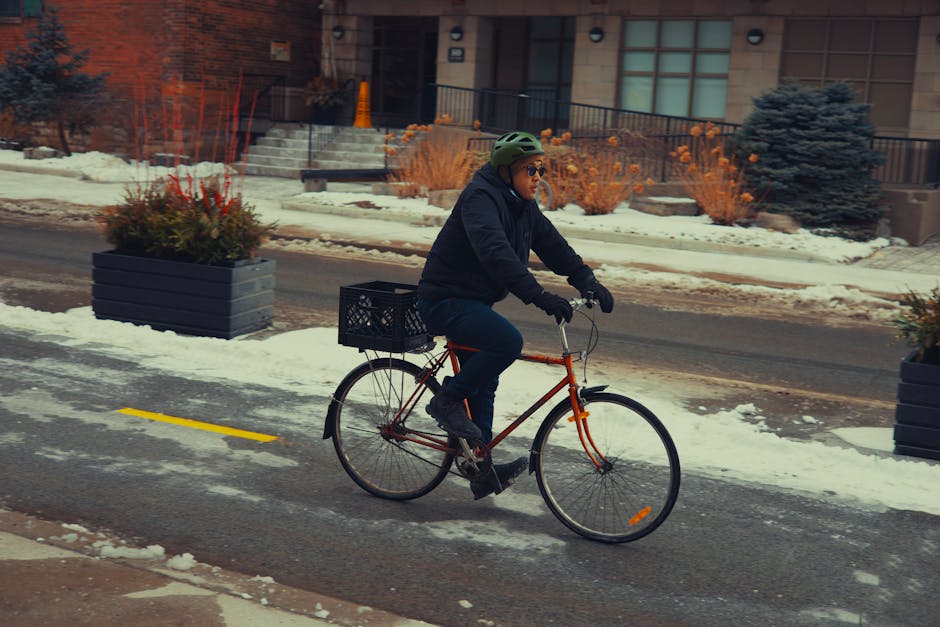
City riding presents unique challenges: stop-and-go traffic, potholes, curbs, wet pavement, and debris like glass or gravel. These conditions accelerate wear on tires, brakes, and drivetrains. Without regular attention, small issues—like a slightly underinflated tire or worn brake pads—can quickly escalate into dangerous situations, especially when traction is compromised.
For example, a tire inflated below the recommended pressure increases rolling resistance and reduces grip, making it harder to stop quickly at intersections. Similarly, brake pads coated in grime or worn down to the metal base significantly reduce stopping power on slick streets. Simple weekly checks can prevent these problems before they affect your safety.
Essential Weekly Checks to Prevent Common Issues
Set aside 10–15 minutes each week to perform these basic inspections. They require no special tools and can save you from costly repairs or accidents.
1. Inspect Tire Pressure and Tread
Proper tire inflation is critical for maintaining traction on city streets. Underinflated tires flex more, generating heat and increasing the risk of pinch flats. Overinflated tires offer less surface contact, reducing grip on wet or uneven pavement.
- Check pressure using a reliable gauge. Most tires have the recommended PSI range printed on the sidewall (e.g., 50–70 PSI for hybrid tires).
- Inflate to the middle of the range for balanced comfort and performance.
- Look for cracks, cuts, or embedded debris. Replace tires if tread is worn smooth or if you see exposed casing threads.
Tip: Use puncture-resistant tires with a smooth or lightly patterned tread for city riding. They offer better grip on asphalt and are less prone to flats from road debris.
2. Test Brake Function and Pad Wear
Brakes are your first line of defense in traffic. Worn or contaminated brake pads reduce stopping power, especially in rain.
- Squeeze both brake levers. They should engage firmly without touching the handlebar.
- Listen for squeaking or grinding—these indicate contamination or metal-to-metal contact.
- Inspect pad thickness. If less than 1mm remains, replace them immediately.
- Clean rims or rotors with isopropyl alcohol and a clean rag to remove oil and dirt.
Warning: Never touch brake pads or rotors with bare hands after cleaning—oils from skin reduce friction and braking efficiency.
3. Check Chain Lubrication and Tension
A dry or rusty chain increases wear on gears and can slip under load, especially when accelerating from a stop. A well-lubed chain runs quieter and transfers power more efficiently.
- Wipe the chain with a dry cloth to remove old grease and dirt.
- Apply a drop of bike-specific lubricant to each roller while turning the pedals backward.
- Wipe off excess lube to prevent attracting grime.
Note: Use wet lube in rainy climates and dry lube in dry, dusty conditions. Reapply every 100–150 miles or after riding in wet weather.
Monthly Maintenance for Long-Term Reliability
Beyond weekly checks, a deeper monthly inspection helps catch developing issues before they become serious.
1. Examine Wheel Alignment and Spoke Tension
Loose or broken spokes can cause wheels to wobble, affecting handling and traction. A misaligned wheel may rub against brake pads, reducing efficiency.
-
<liSpin each wheel and watch for side-to-side wobble (lateral trueness) or up-and-down hop (radial trueness).
- If the wheel is out of true, consider taking it to a shop—improper truing can worsen the problem.
- Check that all spokes feel similarly tight. A loose spoke often produces a dull thud when plucked, unlike the clear ring of a tight one.
2. Inspect Cables and Housing
Friction in brake and shift cables leads to sluggish response. Dirty or frayed housing worsens performance over time.
- Look for cracks, rust, or kinks in cable housing.
- Check that cables move smoothly when levers are pulled.
- Lubricate cables with light oil if they feel stiff.
Takeaway: Replace cables and housing every 1–2 years, or sooner if you notice inconsistent shifting or braking.
3. Clean and Inspect the Drivetrain
A dirty chain, cassette, and chainrings reduce efficiency and increase wear. City riding often exposes the drivetrain to more dirt and moisture.
- Use a chain cleaning tool or brush with degreaser to clean the chain, cassette, and chainrings.
- Rinse with water and dry thoroughly.
- Re-lubricate the chain after cleaning.
Seasonal Upkeep for City Conditions
Adjust your maintenance routine based on seasonal changes. Rain, snow, and temperature swings affect bike performance.
Winter and Wet Weather Care
Moisture accelerates rust and reduces traction. Salt and grit used on winter roads are especially damaging.
- Rinse your bike with fresh water after riding in rain or snow.
- Dry the chain, derailleurs, and brake mechanisms thoroughly.
- Apply a wet-weather lubricant to the chain.
- Check tire pressure more frequently—cold air reduces PSI.
Example: A commuter in Portland, Oregon, checks tire pressure every Monday during winter months to compensate for temperature drops that can reduce pressure by 2–3 PSI overnight.
Spring and Summer Preparation
As temperatures rise, so does riding frequency. Prepare your bike for increased use.
- Inspect tires for dry rot or UV damage.
- Switch to dry lube if using wet lube in winter.
- Check that reflectors and lights are clean and functional.
How to Maintain Traction on City Streets
Traction is your ability to grip the road—critical for safe cornering, braking, and accelerating. Loss of traction leads to skidding, especially on painted lines, metal grates, or wet leaves.
Choose the Right Tires
Not all tires are created equal for urban environments. Wider tires (28–32mm) with moderate tread offer better grip and comfort on rough pavement.
- Avoid slick racing tires—they offer minimal grip in wet conditions.
- Look for tires labeled “urban,” “commuter,” or “puncture-resistant.”
- Consider tubeless setups for fewer flats and lower rolling resistance.
Adjust Riding Technique
Even with perfect maintenance, technique affects traction.
- Brake earlier and more gradually in wet or slippery conditions.
- Avoid sudden turns or hard accelerations on painted crosswalks or manhole covers.
- Keep your weight centered or slightly back when braking hard to prevent front-wheel skids.
Watch for Hidden Hazards
City streets hide traction-killers: oil slicks, gravel, wet leaves, and tram tracks. Scan the road ahead and adjust your line to avoid them when safe.
Tools and Supplies Every City Rider Should Own
You don’t need a full workshop, but a few key tools make maintenance easier and more effective.
| Item | Purpose |
|---|---|
| Floor pump with gauge | Accurate tire inflation |
| Multi-tool with hex keys | Quick adjustments on the go |
| Chain lubricant (wet and dry) | Season-appropriate chain care |
| Tire levers and patch kit | Flat tire repairs |
| Degreaser and brushes | Drivetrain cleaning |
When to Visit a Professional Mechanic
While most maintenance is DIY-friendly, some tasks require expert attention.
- Wheel truing or spoke replacement
- Brake bleeding (for hydraulic systems)
- Bottom bracket or headset overhaul
- Frame crack inspection
Schedule a professional tune-up once a year, or every 1,000 miles, to ensure everything is in top condition.
Common Mistakes to Avoid
Even experienced riders make errors that compromise safety and performance.
- Over-lubing the chain: Excess lube attracts dirt, forming a grinding paste.
- Ignoring brake squeal: Often fixable with cleaning, but can indicate worn pads.
- Using automotive oil on bike parts: Too thick and attracts grime.
- Skipping tire pressure checks: The #1 cause of flats and poor handling.
Final Thoughts: Build a Habit, Not a Chore
Maintaining your bike doesn’t have to be time-consuming or intimidating. By integrating simple checks into your routine—like inflating tires before your Monday commute or wiping down the chain after a rainy ride—you build habits that prevent common bicycle problems with simple maintenance habits. The result? A safer, smoother, and more enjoyable ride through the city.
FAQ
How often should I check my tire pressure?
Check tire pressure at least once a week, or before long rides. Temperature changes and natural air loss mean tires can drop 1–2 PSI per week.
Can I use WD-40 to clean my bike chain?
No. WD-40 is a solvent, not a lubricant. It removes grease but doesn’t protect the chain. Use a dedicated bike degreaser and follow with proper chain lube.
What’s the best way to store my bike in the city?
Store indoors if possible. If you must leave it outside, use a heavy-duty lock, cover it from rain, and consider removing the front wheel to deter theft. Avoid prolonged exposure to moisture and direct sunlight.
Related keywords: How to prevent common bicycle problems with simple maintenance habits with a focus on traction for city streets.
