
Cycling Tips Every Tall Rider Should Know Before Riding Longer Distances on City Streets Leave a comment
Cycling Tips Every Tall Rider Should Know Before Riding Longer Distances on City Streets
For tall cyclists, riding longer distances in urban environments presents unique challenges—especially when it comes to bike fit, visibility, and maneuverability. Without proper preparation, discomfort and safety risks increase significantly. This guide covers essential cycling tips every tall rider should know before tackling extended city rides, with a strong focus on safety, comfort, and control. From adjusting your bike geometry to mastering traffic awareness, these practical strategies help taller riders navigate busy streets confidently and efficiently.
Why Tall Riders Face Unique Challenges on City Streets
Tall riders—typically those over 6 feet—often struggle with standard bike frames that aren’t designed for their proportions. A poorly fitted bike can lead to back pain, knee strain, and reduced handling precision, especially over long distances. In city traffic, where quick reactions are crucial, compromised control becomes a serious safety concern.
Additionally, taller riders sit higher on the bike, which can affect balance at low speeds and increase exposure to wind resistance and vehicle blind spots. Without proper adjustments, these factors make urban cycling more physically taxing and potentially hazardous.
Getting the Right Bike Fit for Tall Riders
A proper bike fit is the foundation of safe and comfortable long-distance city cycling. For tall riders, this means prioritizing frame size, saddle height, reach, and handlebar positioning.
1. Choose the Correct Frame Size
Most manufacturers offer extra-large or extended frames for riders over 6’2″. If you’re between sizes, opt for the larger frame and adjust components accordingly. A frame that’s too small forces you into a cramped position, reducing power and increasing fatigue.
Example: A 6’4″ rider should look for a road bike with a 60cm or larger frame, depending on inseam and torso length. Mountain bikes may require a XXL frame with a longer top tube.
2. Adjust Saddle Height and Fore-Aft Position
Your saddle should allow a slight bend in the knee at the bottom of the pedal stroke. Use the heel method: sit on the saddle and place your heel on the pedal at its lowest point—your leg should be fully extended.
The fore-aft position (how far forward or back the saddle sits) affects knee alignment and reach. Tall riders often benefit from a slightly rearward position to reduce strain on the lower back.
3. Extend Reach with a Longer Stem or Adjustable Stem
Standard stems may be too short for tall riders, causing a hunched posture. A longer stem (110–130mm) or an adjustable stem can improve comfort and control. Pair this with handlebars that have adequate rise or sweep to reduce wrist and shoulder pressure.
4. Consider a Bike with a Longer Wheelbase
Bikes with longer wheelbases offer greater stability, which is especially helpful for taller riders who may feel top-heavy. Touring bikes, gravel bikes, or endurance road models often have geometries better suited for extended rides and urban navigation.
Essential Safety Gear for Tall Cyclists in Traffic
Safety on city streets depends on visibility, protection, and predictability. Tall riders should invest in gear that enhances both personal safety and how they’re perceived by drivers.
High-Visibility Clothing and Accessories
Wear bright, reflective clothing—especially during low-light conditions. A high-visibility vest or jacket with reflective strips makes you more noticeable to drivers, who may not expect cyclists of your height.
Consider adding reflective ankle bands or wheel reflectors. These create motion cues that help drivers judge your speed and position.
Front and Rear Lighting
Even during daylight, a bright front light (at least 400 lumens) and a flashing rear light improve visibility. Choose lights with side visibility features—many accidents occur at intersections when drivers don’t see cyclists approaching from the side.
Helmet Fit and Aerodynamics
A well-fitted helmet is non-negotiable. For tall riders, ensure the helmet doesn’t sit too high on the head, which can affect balance and wind resistance. Look for models with extended rear coverage and adjustable fit systems.
Mastering Urban Traffic as a Tall Cyclist
City streets demand constant awareness and defensive riding. Tall riders must adapt their positioning and behavior to stay safe in mixed traffic.
Ride Predictably and Assertively
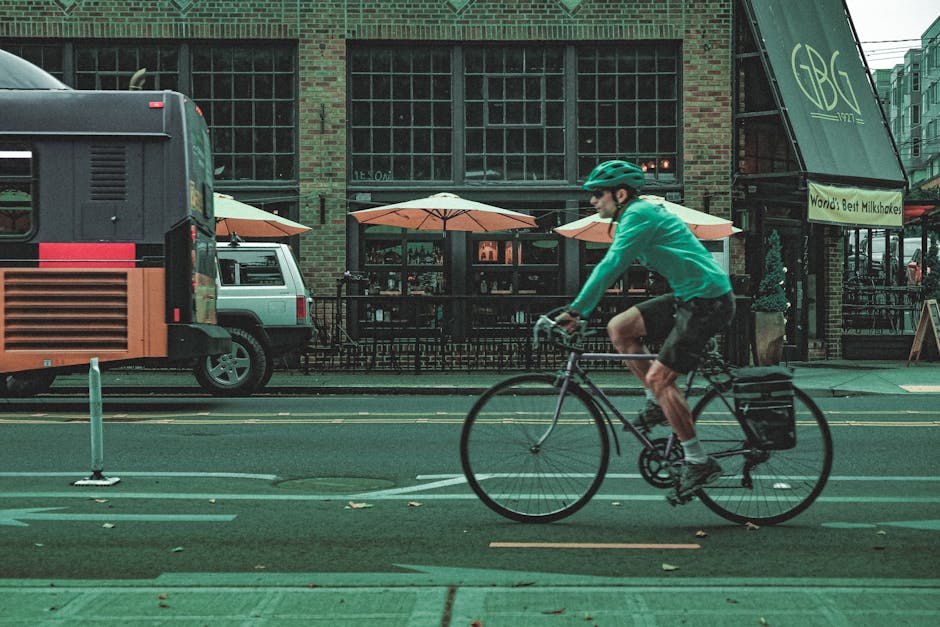
Stay in the center of the bike lane (also known as “taking the lane”) when it’s narrow or obstructed. This prevents unsafe passing and signals to drivers that the lane isn’t wide enough for side-by-side travel.
Avoid weaving between parked cars and traffic. Sudden movements increase collision risk, especially when drivers aren’t expecting a taller profile in their blind spot.
Anticipate Driver Behavior
Drivers often underestimate the speed and presence of cyclists. Make eye contact at intersections and be prepared to yield—even if you have the right of way. Use hand signals clearly and early to communicate turns and stops.
Watch for Door Zones and Road Hazards
Maintain at least 3–4 feet of distance from parked cars to avoid opening doors. Scan ahead for potholes, grates, and debris. Tall riders may have a higher center of gravity, making sudden swerves more dangerous.
Improving Comfort and Endurance on Long Rides
Long-distance city cycling requires more than just fitness—it demands smart preparation to avoid fatigue and injury.
Use Padded Shorts and Gloves
Invest in quality cycling shorts with a chamois pad to reduce saddle soreness. Padded gloves absorb road vibrations and improve grip, especially on rough pavement.
Hydrate and Fuel Regularly
Carry water in a bottle cage or hydration pack. For rides over 60 minutes, bring energy gels, bars, or snacks to maintain blood sugar levels. Dehydration and fatigue impair reaction time—critical in traffic.
Plan Your Route Strategically
Use bike-friendly apps like Komoot or Ride with GPS to find routes with protected bike lanes, lower traffic volume, and fewer hills. Avoid high-speed arterials when possible. Even a slightly longer route with better infrastructure can improve safety and enjoyment.
Take Breaks and Stretch
Stop every 30–45 minutes to stretch your back, hips, and legs. Tall riders are prone to stiffness due to longer limbs and extended reach. Simple stretches like forward folds and hip flexor opens can prevent cramping and discomfort.
Common Mistakes Tall Riders Make (And How to Avoid Them)
- Ignoring bike fit: Riding a bike that’s too small leads to chronic pain and poor control. Always test ride and adjust before committing to long distances.
- Underestimating wind resistance: Taller profiles catch more wind. Ride in a slightly more upright position in headwinds to conserve energy.
- Overreaching on handlebars: This strains the neck and shoulders. Use a stem with negative rise or drop to fine-tune your position.
- Neglecting maintenance: Longer frames and components experience more stress. Regularly check bolts, cables, and tire pressure.
Final Thoughts: Ride Smart, Stay Safe, and Enjoy the Journey
Cycling longer distances in the city as a tall rider is entirely achievable with the right preparation. By focusing on proper bike fit, visibility, traffic awareness, and comfort, you can transform your urban rides from stressful to enjoyable. Remember, safety isn’t just about gear—it’s about mindset, positioning, and consistency. Apply these cycling tips every tall rider should know, and you’ll build confidence, endurance, and resilience on every mile.
FAQ
What’s the best bike type for tall riders doing long city rides?
Endurance road bikes, touring bikes, or gravel bikes with extended geometries are ideal. Look for models with longer top tubes and taller head tubes to accommodate your height without compromising comfort.
How can I improve visibility as a tall cyclist in traffic?
Wear bright, reflective clothing, use front and rear lights even during the day, and position yourself where drivers can see you—such as the center of the lane when appropriate. Avoid riding in blind spots.
Is it safe for tall riders to take the lane in city traffic?
Yes, when done correctly. Taking the lane (riding in the center of the travel lane) is legal and safer in narrow lanes or when avoiding hazards. It prevents unsafe passing and makes your presence clear to drivers.
Related keywords: Cycling tips every tall riders should know before riding longer distances with a focus on safety for city streets.
