
Detailed Bicycle Buying Advice for Riders Comparing Comfort, Fit, and Value with a Focus on Versatility for City Streets Leave a comment
Detailed Bicycle Buying Advice for Riders Comparing Comfort, Fit, and Value with a Focus on Versatility for City Streets
Choosing the right city bike means balancing comfort, proper fit, and long-term value—without overpaying for features you won’t use. The best urban bicycles offer a smooth ride on pavement, handle potholes and curbs with ease, and fit your body so you can ride confidently for miles. Whether you’re commuting daily, running errands, or exploring your neighborhood, this detailed bicycle buying advice helps you compare key factors like frame geometry, component quality, tire width, and overall versatility to find a bike that truly works for city streets.
Why Versatility Matters Most for City Riding
City streets present unpredictable conditions: cracked pavement, sudden stops, traffic, weather changes, and mixed terrain like bike lanes, sidewalks, and gravel paths. A versatile bike adapts to these challenges without requiring constant adjustments or upgrades. Unlike road bikes built for speed or mountain bikes designed for trails, city-focused models prioritize stability, upright posture, and practical features like fender mounts, rack compatibility, and puncture-resistant tires.
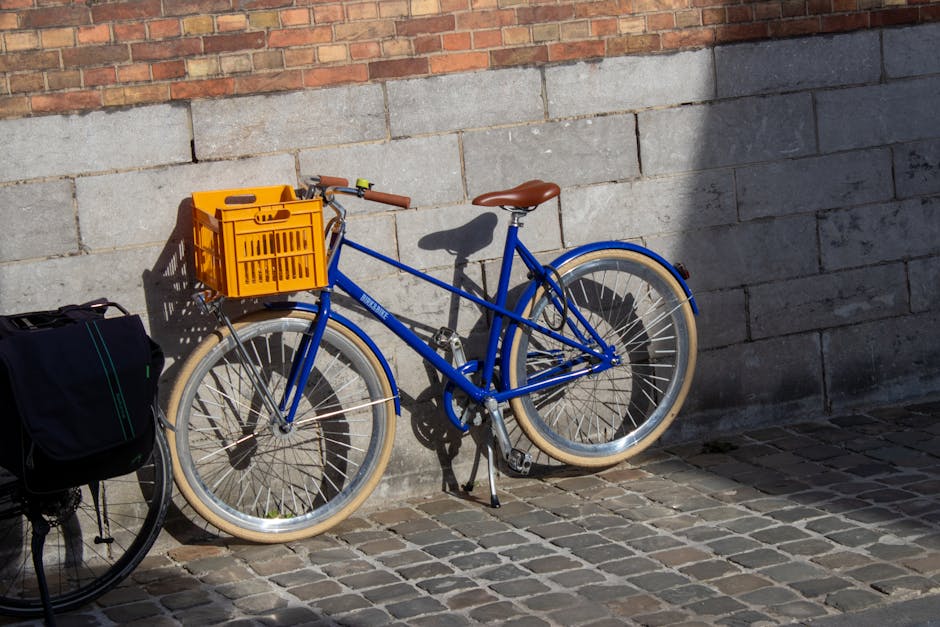
Versatility also means usability across different rider needs. A student commuting to campus, a parent picking up groceries, and a weekend explorer should all find value in the same bike if it’s well-designed. Look for models that support accessories—like baskets, child seats, or panniers—without compromising ride quality.
Comfort: The Foundation of a Good City Ride
Comfort isn’t just about cushioning—it’s about how the bike feels over time. On city streets, repeated bumps and vibrations can cause fatigue, especially on longer rides. A comfortable bike minimizes this through thoughtful design choices.
Frame Material and Ride Feel
- Steel: Naturally absorbs road vibrations and offers a smooth, forgiving ride. Ideal for daily commuting but slightly heavier than other materials.
- Aluminum: Lightweight and stiff, providing responsive handling. Modern alloys can be engineered for some compliance, but may transmit more road shock.
- Carbon fiber: Rare in city bikes due to cost, but excellent at damping vibrations. More common in hybrid or performance-oriented urban models.
- Titanium: Combines strength, light weight, and natural flex, but typically found only in premium builds.
For most riders, steel or well-designed aluminum frames offer the best balance of comfort and durability on city streets.
Geometry and Riding Position
An upright riding position reduces strain on your back, neck, and wrists—critical for navigating traffic and making frequent stops. Look for a bike with a high handlebar relative to the saddle and a short reach. Step-through frames are especially helpful for riders wearing skirts, suits, or those with limited mobility.
Avoid overly aggressive geometries (common in road bikes) that force you into a leaned-forward posture. These may feel fast but become uncomfortable over time in stop-and-go environments.
Saddle and Grips Matter
Even the best frame can’t compensate for a poorly designed saddle. Choose a model with adequate padding and a shape that matches your sit bone width—many shops offer pressure-mapping tools to help. Gel saddles may feel soft initially but often bottom out under weight; look for ones with cutouts to reduce pressure on soft tissue.
Grips should be ergonomic and made from materials that absorb shock, like rubber or silicone. Lock-on grips prevent slipping and are easier to replace.
Fit: Why One Size Doesn’t Fit All
A bike that doesn’t fit properly leads to discomfort, inefficiency, and even injury. Fit is determined by frame size, stem length, handlebar width, and saddle position—all of which should be adjustable to your body.
How to Determine Your Frame Size
Most manufacturers provide size charts based on rider height. However, inseam length is often a better indicator—especially for step-through or compact frames. To measure your inseam:
- Stand barefoot against a wall with a book between your legs, spine pressed flat.
- Mark the top of the book on the wall.
- Measure from the floor to the mark in centimeters.
Use this measurement to check the standover height of potential bikes—you should have at least 1–2 inches of clearance when standing over the top tube.
Test Rides Are Essential
Never buy a city bike without riding it. Pay attention to:
- Can you touch both feet flat on the ground when stopped?
- Is your back relaxed or strained after 10 minutes?
- Do your shoulders feel tight or your wrists numb?
- Does the bike feel stable at low speeds?
If a shop doesn’t allow test rides, consider it a red flag. Fit is too personal to guess from specs alone.
Value: Getting What You Pay For (and Avoiding Overpaying)
City bikes range from under $300 to over $2,000. While budget options exist, they often cut corners in ways that reduce longevity and comfort. Here’s how to assess value beyond the price tag.
Component Quality Over Brand Names
Focus on functional components rather than flashy branding. Key areas to evaluate:
- Drivetrain: Look for reliable groupsets like Shimano Tourney, Altus, or Acera for entry-level bikes. Higher-tier models may use Deore or GRX for better shifting and durability.
- Brakes: Mechanical disc brakes offer strong stopping power in wet conditions and require less maintenance than rim brakes. Hydraulic discs are even better but add cost.
- Tires: Wider tires (32mm–42mm) provide better grip and comfort on rough pavement. Look for models with puncture protection, such as Schwalbe’s Kevlar belts or Continental’s SafetySystem.
- Wheels: Double-wall rims are stronger and better suited for city use than single-wall. Check that wheels are true and hubs spin smoothly.
Hidden Costs to Watch For
Some “complete” bikes require additional purchases to be truly usable:
- Fenders (mudguards) to keep you dry in rain
- Racks for carrying bags or groceries
- Lights for visibility (required by law in many cities)
- Kickstand for convenient parking
A bike priced at $500 but missing these essentials could cost $150+ more to equip. Compare total cost of ownership, not just the sticker price.
Warranty and Service Support
A good warranty (at least two years on the frame) reflects manufacturer confidence. Local bike shops often provide free tune-ups with purchase—ask about included services. Brands with strong dealer networks (like Trek, Giant, or Specialized) make repairs and part replacements easier.
Top Bike Types for City Versatility
Not all city bikes are created equal. These categories cover the most practical options for urban riders.
Hybrid Bikes
Hybrids blend features of road and mountain bikes, offering flat handlebars, medium-width tires, and upright geometry. They’re ideal for riders who want one bike for commuting, fitness, and casual rides. Examples include the Trek FX series and Giant Escape.
City/Urban Bikes
Built specifically for city use, these often include built-in lights, chain guards, and internal gear hubs. The Gazelle Medeo T9 or Priority Continuum Onyx are excellent examples—low-maintenance and ready for daily duty.
Folding Bikes
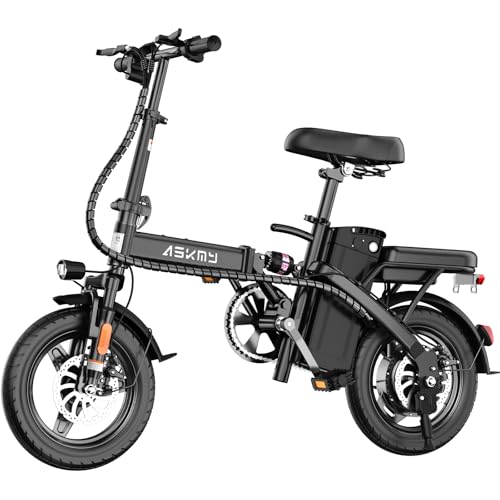
Perfect for mixed-mode commuting (bike + train/bus) or small apartments. Models like the Brompton or Dahon offer surprisingly smooth rides and compact storage, though they may sacrifice some stability at high speeds.
Gravel Bikes (for Rougher Cities)
If your streets include gravel paths, dirt trails, or poorly maintained roads, a gravel bike with drop bars and wider tire clearance (up to 45mm) adds versatility. The Canyon Grizl or Salsa Journeyman are solid choices, though less upright than traditional city bikes.
Accessories That Enhance Versatility
The right accessories turn a good bike into a great city companion. Prioritize based on your routine.
Must-Have Add-ons
- Fenders: Keep you clean in wet weather. Full-coverage models work best.
- Rear Rack + Panniers: Carry groceries, laptops, or gym clothes without straining your back.
- U-Lock + Cable: Secure your bike properly. A 13mm hardened steel U-lock resists most theft attempts.
- Front and Rear Lights: LED lights with daytime running modes increase visibility.
- Bell or Horn: Alert pedestrians and other cyclists politely.
Nice-to-Have Upgrades
- Phone mount for navigation
- Water bottle cage
- Mirror (handlebar or helmet-mounted)
- Reflective tape or clothing
Install accessories at purchase if possible—many shops include free installation with bike buys.
Common Mistakes to Avoid
Even experienced riders make errors when buying city bikes. Steer clear of these pitfalls:
- Prioritizing style over function: A sleek frame means little if it’s uncomfortable or lacks mounting points.
- Ignoring maintenance needs: Internal gear hubs and belt drives reduce upkeep but cost more upfront. Choose based on your willingness to maintain the bike.
- Overlooking theft risk: Cheap locks invite theft. Invest in quality security, especially in high-risk areas.
- Buying online without test riding: Sizing charts help, but body proportions vary. Always test ride when possible.
Final Checklist Before You Buy
Use this quick guide to confirm your choice aligns with comfort, fit, value, and versatility:
- ✅ Frame size matches your height and inseam
- ✅ Upright, relaxed riding position
- ✅ Tires are 32mm or wider with puncture protection
- ✅ Disc brakes (mechanical or hydraulic)
- ✅ Mounts for fenders, rack, and water bottle
- ✅ Comes with or supports essential accessories
- ✅ Backed by a solid warranty and local service
- ✅ Total cost (bike + accessories) fits your budget
FAQ
What’s the best tire width for city riding?
For most city riders, 32mm to 42mm tires offer the ideal balance of speed, comfort, and puncture resistance. Wider tires (38mm+) excel on rough or wet streets, while narrower ones (under 32mm) may feel faster but sacrifice comfort and grip.
Can I use a road bike for city commuting?
Technically yes, but road bikes prioritize speed over comfort and lack mounting points for racks or fenders. Their drop handlebars and narrow tires make them less stable in traffic and on uneven surfaces. A hybrid or city bike is usually a better fit.
How much should I spend on a city bike?
Expect to pay $500–$1,200 for a well-equipped, durable city bike that includes quality components and practical features. Budget under $400 often means compromised brakes, weak frames, or missing mounts—costing more in the long run.
Finding the right city bike means matching your body, budget, and daily needs to a machine built for real-world conditions. With this detailed bicycle buying advice, you’re equipped to compare comfort, fit, and value—and choose a versatile ride that makes every trip through the city smoother, safer, and more enjoyable.
