

Best Bicycles for Daily Riding, Weekend Fitness, and City Travel with Efficiency in Mind Leave a comment
Best Bicycles for Daily Riding, Weekend Fitness, and City Travel with Efficiency in Mind
Finding the best bicycles for daily riding, weekend fitness, and city travel means balancing comfort, speed, durability, and practicality. Whether you’re commuting to work, squeezing in a weekend spin, or navigating busy urban streets, the right bike can make every ride smoother and more efficient. City riding demands a machine that handles stop-and-go traffic, climbs gentle hills with ease, and offers reliable stopping power—all while keeping you comfortable over varied pavement. This guide breaks down the top bike types and models suited for city life, with a focus on efficiency, versatility, and real-world usability.

What Makes a Bike Ideal for City Riding?
Efficiency on city streets isn’t just about speed—it’s about how quickly and comfortably you can move through traffic, stop at lights, and handle unexpected obstacles like potholes or curbs. The ideal city bike combines lightweight construction, responsive handling, and practical features like fenders, racks, and lights. Gearing should allow for quick acceleration from stops, and tires need to be wide enough for stability but narrow enough to reduce rolling resistance.
Comfort is equally important. A slightly upright riding position reduces strain on your back and neck during short trips, while suspension seatposts or wider saddles can ease longer commutes. Reliability matters too—city bikes face more wear from frequent starts, stops, and exposure to the elements.
Key Features to Prioritize
- Frame Material: Aluminum is lightweight and corrosion-resistant, making it ideal for daily use. Steel offers a smoother ride but adds weight. Carbon fiber is rare in city bikes due to cost and durability concerns.
- Gearing: Internal hub gears (like Shimano Nexus or Enviolo) require less maintenance and work well in wet conditions. Derailleur systems offer more gear range but need more upkeep.
- Tires: Look for 28–35mm width with puncture-resistant layers. Smooth or lightly treaded tires roll faster on pavement.
- Brakes: Disc brakes (mechanical or hydraulic) provide consistent stopping power in rain and heavy traffic. Rim brakes are lighter but less effective when wet.
- Accessories: Integrated lights, fenders, and rear racks add convenience and safety without extra setup.
Top Bike Types for Urban Efficiency
Not all bikes are created equal when it comes to city use. Here are the most effective styles for daily riding, fitness, and travel:
1. Hybrid Bikes
Hybrid bikes blend features from road and mountain bikes, offering a comfortable upright position, efficient gearing, and versatility. They’re excellent for commuting, weekend rides, and errands. Models like the Trek FX Series and Specialized Sirrus come with lightweight aluminum frames, reliable disc brakes, and mounts for racks and fenders.
Hybrids typically use 700c wheels with 32–38mm tires, striking a balance between speed and stability. Many include suspension forks, though these add weight and are often unnecessary on smooth city streets—opt for rigid forks if efficiency is your priority.
2. City/Urban Commuter Bikes
Designed specifically for city life, these bikes prioritize practicality. The Gazelle Medeo T9 and Priority Continuum Onyx include belt drives (which never need lubrication), internal gear hubs, full fenders, and built-in lights. Belt drives are cleaner and last longer than chains but require a frame that allows rear wheel removal for maintenance.
These bikes often feature step-through frames for easy mounting and dismounting—ideal for riders wearing work clothes or carrying bags. While slightly heavier than hybrids, their low-maintenance design makes them perfect for daily use.
3. Lightweight Road Bikes
If your city has well-maintained roads and you prioritize speed, a lightweight road bike can be efficient for commuting and fitness. Models like the Cannondale Synapse or Scott Speedster offer aerodynamic frames and drop handlebars for multiple hand positions.
However, road bikes often lack mounts for racks and fenders, and their narrow tires (23–28mm) can be less comfortable on rough pavement. Consider a endurance road bike with wider tire clearance (up to 32mm) for better city adaptability.
4. Folding Bikes
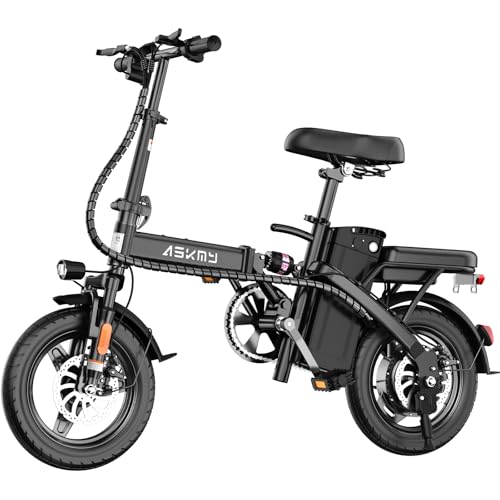
For riders who combine biking with public transit or have limited storage, folding bikes like the Brompton M6L or Tern Link D8 are compact and convenient. They fold quickly and fit under desks or in car trunks.
While not as fast or efficient as full-sized bikes over long distances, modern folders have improved significantly. The Brompton, for example, uses a precise gear system and maintains good ride quality despite its small wheels. Ideal for mixed-mode commuting.
Comparing Top Models for City Use
| Bike Model | Type | Weight | Gears | Key Features | Best For |
|---|---|---|---|---|---|
| Trek FX 3 Disc | Hybrid | 11.3 kg (25 lbs) | 9-speed derailleur | Hydraulic disc brakes, rack/fender mounts, 32mm tires | Daily commuting, weekend fitness |
| Priority Continuum Onyx | Urban Commuter | 14.5 kg (32 lbs) | Enviolo CVT hub | Belt drive, internal gears, full fenders, integrated lights | Low-maintenance daily riding |
| Gazelle Medeo T9 | City Bike | 16.8 kg (37 lbs) | Shimano Nexus 9-speed | Step-through frame, belt drive, suspension seatpost | Comfortable urban travel |
| Brompton M6L | Folding | 11.6 kg (25.6 lbs) | 6-speed derailleur | Compact fold, 16″ wheels, rack optional | Mixed-mode commuting |
How to Choose the Right Bike for Your Routine
Your ideal bike depends on how you use it. Ask yourself these questions:
- How far do you ride daily? Short trips (under 5 miles) favor comfort and ease of use—hybrid or city bikes work well. Longer commutes may benefit from lighter road or hybrid models.
- Do you carry gear? If you transport a laptop, groceries, or gym clothes, look for rear rack compatibility and pannier mounts.
- Is storage space limited? Folding or compact bikes save space in apartments or offices.
- How important is maintenance? Belt drives and internal gears reduce upkeep but cost more upfront.
- What’s your budget? Expect to spend $800–$2,000 for a reliable, efficient city bike. Higher-end models offer better components and durability.
Test ride at least two models before buying. Pay attention to how the bike feels when starting from a stop, turning at low speed, and riding over uneven pavement. A good fit means your feet touch the ground when seated, and your arms are slightly bent when holding the handlebars.
Efficiency Tips for City Riding
Even the best bike won’t perform well without proper setup and habits. Follow these tips to maximize efficiency:
- Maintain proper tire pressure: Check weekly. Underinflated tires increase rolling resistance and risk flats. Use a floor pump with a gauge.
- Lubricate the chain (or maintain the belt): For chain-driven bikes, clean and lube every 100–200 miles. Belt drives need no lube but should be inspected for tension and debris.
- Use lights and reflective gear: Many cities require front and rear lights at night. LED lights are bright, efficient, and long-lasting.
- Plan your route: Avoid high-traffic roads when possible. Use bike lanes, quiet streets, or protected paths to reduce stress and improve safety.
- Lock your bike properly: Use a U-lock through the frame and rear wheel. Avoid cable locks alone—they’re easily cut.
Regular maintenance extends your bike’s life and keeps it running efficiently. At minimum, service your bike annually or after 1,000 miles. Replace brake pads when worn, check wheel trueness, and inspect cables for fraying.
Safety and Legal Considerations
Safety should never be an afterthought. In most cities, bicycles must follow the same traffic rules as cars—stop at red lights, yield to pedestrians, and signal turns. Wearing a helmet reduces head injury risk by up to 60%, according to transportation safety studies.
Be visible. Bright clothing, reflective strips, and blinking lights help drivers see you, especially at dawn, dusk, or in bad weather. Avoid riding in drivers’ blind spots, and never assume a car will yield.
Some cities require bike registration or have specific laws about where you can ride. Check local regulations to avoid fines. For example, in New York City, riding on sidewalks is prohibited for adults, while in Portland, bike boxes at intersections are common and encouraged.
Common Mistakes to Avoid
- Buying based on looks alone: A stylish bike that doesn’t fit or suit your needs will collect dust. Prioritize function over form.
- Ignoring fit: A poorly sized bike causes discomfort and inefficiency. Visit a local shop for a professional fitting if unsure.
- Skipping essential accessories: Fenders prevent mud splash, racks carry loads, and lights improve safety. Don’t ride without them in the city.
- Overlooking theft prevention: Use a high-quality lock and park in well-lit, busy areas. Register your bike with local authorities or a national database.
Final Thoughts: Efficiency Meets Everyday Use
The best bicycles for daily riding, weekend fitness, and city travel are those that fit seamlessly into your routine. They should get you where you need to go quickly, comfortably, and reliably—without constant repairs or discomfort. Whether you choose a hybrid for versatility, a commuter bike for low maintenance, or a folding model for convenience, the right bike enhances your mobility and independence.
Invest in quality components, prioritize safety, and maintain your bike regularly. Over time, the efficiency gains in time, cost, and health will far outweigh the initial investment. City riding isn’t just practical—it’s a sustainable, enjoyable way to move through the world.
FAQ
What’s the most efficient bike for stop-and-go city traffic?
Hybrid and urban commuter bikes with internal gear hubs and disc brakes are most efficient in stop-and-go traffic. They offer smooth shifting, reliable stopping, and low maintenance—ideal for frequent starts and stops.
Can I use a road bike for daily city commuting?
Yes, but only if your route is mostly smooth pavement and you don’t need to carry heavy loads. Look for endurance road bikes with wider tire clearance (up to 32mm) and rack mounts for better city adaptability.
Are belt drive bikes worth the extra cost?
Belt drives are worth it if you prioritize low maintenance and cleanliness. They never need lubrication, last longer than chains, and perform well in wet conditions—ideal for daily city use, though they require a compatible frame and cost more upfront.
Related keywords: Best bicycles for daily riding, weekend fitness, and city travel with a focus on efficiency for city streets.
