
Practical Cycling Advice for Improving Technique on Roads and City Streets with a Focus on Visibility for City Streets Leave a comment
Practical Cycling Advice for Improving Technique on Roads and City Streets with a Focus on Visibility for City Streets
Whether you’re commuting to work or exploring your city on two wheels, mastering practical cycling advice for improving technique on roads and city streets can make your rides safer, smoother, and more efficient. One of the most critical—and often overlooked—elements is visibility, especially in urban environments where traffic, pedestrians, and complex intersections create constant hazards. This guide breaks down actionable techniques to refine your riding skills, prioritize visibility, and navigate city streets with confidence. From positioning and signaling to gear choices and situational awareness, these tips are grounded in real-world cycling experience and designed for everyday riders.
Why Visibility Matters More Than Speed in City Cycling
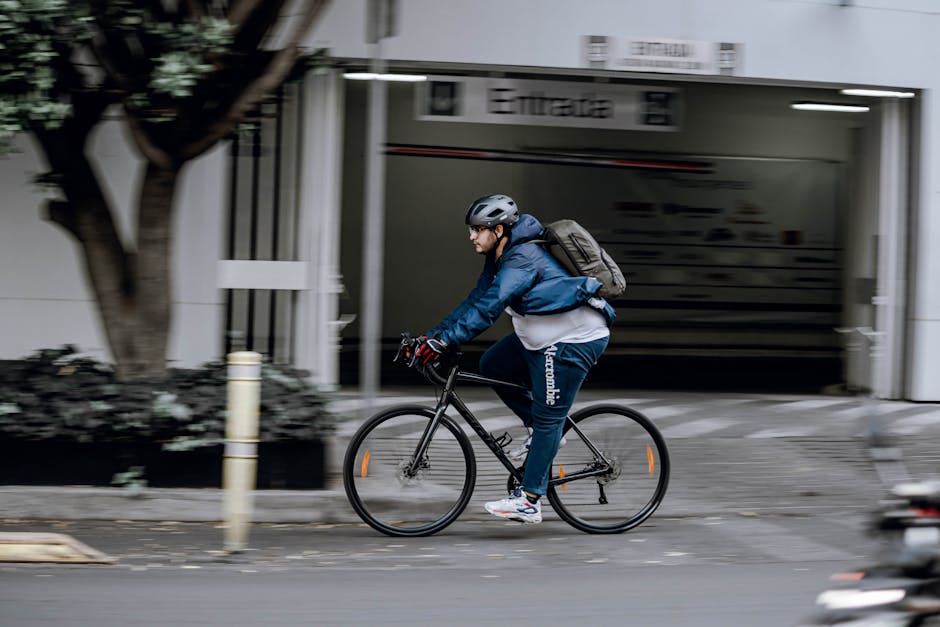
In city riding, being seen is just as important as seeing others. Unlike open roads where vehicles have more time to react, urban environments demand constant vigilance. A driver turning right without checking their blind spot, a pedestrian stepping off a curb, or a delivery truck pulling out unexpectedly—these are common scenarios where visibility can mean the difference between a near-miss and a collision.
Research from urban cycling safety studies consistently shows that cyclists involved in accidents are often not seen in time by motorists. This isn’t due to poor lighting or bad weather alone—it’s frequently because riders blend into the background. Bright clothing, reflective gear, and proper lighting aren’t just accessories; they’re essential tools for survival.
Key Visibility Enhancements for Urban Cyclists
- Front and rear lights: Use a white front light (at least 200 lumens for daytime visibility) and a red rear light with a steady or pulsing mode. Even during the day, lights increase your presence to drivers.
- Reflective clothing and accessories: Choose jackets, vests, or ankle bands with reflective strips. These catch headlights from greater distances than non-reflective materials.
- Bright, non-black clothing: Avoid dark colors, especially at dawn, dusk, or night. Fluorescent yellow, orange, or green stands out in traffic.
- Bike reflectors: Ensure your pedals, wheels, and frame have functional reflectors. Many bikes come with them, but they can wear out or get covered in grime.
Improving Your Riding Technique for Safer City Navigation
Visibility is only part of the equation. Your riding technique directly affects how safely and efficiently you move through traffic. Smooth, predictable movements help drivers anticipate your actions, reducing the risk of sudden conflicts.
Positioning: Where to Ride in the Lane
One of the most effective ways to improve safety is through proper lane positioning. Contrary to the instinct to hug the curb, riding too close to the edge can make you invisible to turning vehicles and increase the risk of potholes or debris.
Aim for the center of the rightmost lane when the road is narrow or traffic is heavy—this is known as “taking the lane.” It prevents cars from squeezing past you unsafely and signals that you belong in the traffic flow. On wider roads, ride about one meter from the curb to allow space for drainage grates, parked cars, and opening doors.
Signaling and Communication
Clear communication reduces ambiguity. Always use hand signals to indicate turns and stops:
- Left turn: Extend your left arm straight out.
- Right turn: Extend your right arm out, or raise your left arm upward at a 90-degree angle.
- Stopping: Lower your left arm downward with palm facing back.
Make eye contact with drivers when possible, especially at intersections. A quick glance confirms they’ve seen you and helps prevent right-hook accidents—when a car turns right across your path.
Scanning and Situational Awareness
Keep your head up and scan ahead at least 10–15 meters. Look for parked cars with running engines (likely to pull out), pedestrians near crosswalks, and traffic signals about to change. Avoid riding in drivers’ blind spots—especially alongside large vehicles like buses or trucks.
Use your peripheral vision to monitor side streets and driveways. If you’re approaching an intersection, slow down and prepare to stop, even if you have the right of way. Many collisions occur because one party assumes the other will yield.
Handling Common City Cycling Challenges
Urban environments present unique obstacles. Knowing how to handle them improves both safety and ride quality.
Intersections: The Most Dangerous Zones
Intersections account for a significant percentage of cyclist injuries. Approach them with caution:
- Slow down and check for turning vehicles, even if you have a green light.
- Avoid the “door zone”—the area within 1.5 meters of parked cars—where opening doors can strike you.
- If possible, position yourself in the left or right third of the lane to be visible to turning traffic.
Dealing with Parked Cars and the Door Zone
Opening car doors are a leading cause of cyclist injuries. To avoid them:
- Ride at least an arm’s length away from parked cars.
- Watch for brake lights, engine noise, or people inside vehicles—these are signs a door might open.
- If you must pass close to parked cars, reduce speed and be ready to swerve or brake.
Navigating Roundabouts and Multi-Lane Roads
Roundabouts can be intimidating, but they follow predictable patterns. Enter only when it’s safe, yield to traffic already in the circle, and signal your exit. For multi-lane roads, avoid weaving between lanes. If you need to change lanes, check mirrors, signal, and move when clear.
Gear and Bike Setup for Better Control and Visibility
Your bike’s setup affects both performance and safety. A well-maintained bike responds better to quick maneuvers and reduces mechanical failures.
Essential Bike Checks Before Every Ride
| Component | Check | Why It Matters |
|---|---|---|
| Tires | Proper inflation, no cuts or wear | Prevents flats and improves grip |
| Brakes | Pads contact rim/disc, levers firm | Ensures quick stopping in traffic |
| Chain | Lubricated and not overly stretched | Maintains smooth shifting and power transfer |
| Lights | Charged and securely mounted | Critical for visibility in low light |
Choosing the Right Bike for City Riding
Not all bikes are created equal for urban use. Hybrid bikes, city bikes, and commuter-specific models often feature upright geometry, fenders, racks, and built-in lights—ideal for daily use. Road bikes can work but may lack the durability and comfort for stop-and-go traffic.
Consider adding practical accessories:
- Fenders: Keep you dry and visible in wet conditions by reducing spray.
- Racks and panniers: Allow you to carry bags without shoulder strain, keeping your upper body free for balance and signaling.
- Bell or horn: Useful for alerting pedestrians and other cyclists.
Building Confidence Through Practice
Even with the best gear and knowledge, confidence comes from experience. Start by practicing in low-traffic areas:
- Ride during off-peak hours to build skills without pressure.
- Practice emergency stops, quick turns, and signaling in empty parking lots.
- Gradually increase exposure to busier streets as your comfort grows.
Join a local cycling group or take a bike safety course. Many cities offer free or low-cost workshops that cover traffic laws, bike handling, and accident prevention.
Final Thoughts: Ride Smart, Stay Seen
Improving your cycling technique isn’t about becoming a speed demon—it’s about riding predictably, staying visible, and making smart decisions in complex environments. By focusing on visibility, mastering lane positioning, and maintaining your bike, you significantly reduce risk and increase enjoyment.
Remember, city streets are shared spaces. Drivers, pedestrians, and cyclists all have roles to play in safety. When you ride with intention and awareness, you not only protect yourself but also contribute to a more respectful and functional urban traffic culture.
FAQ
How can I make myself more visible to drivers at night?
Use a bright front light (white) and a flashing rear light (red). Wear reflective clothing or accessories, and choose light-colored or fluorescent gear. Avoid dark colors, which blend into the night.
Should I ride on the sidewalk in the city?
In most urban areas, riding on sidewalks is illegal and unsafe. Pedestrians have the right of way, and visibility is poor at driveways and crossings. Stay on the road where you’re more visible and predictable to traffic.
What’s the safest way to pass parked cars?
Maintain at least one meter of distance from parked cars to avoid the door zone. Watch for signs someone might exit, like brake lights or movement inside. Slow down and be ready to react.
