
Electric Bicycles Compared by Battery Range, Support Feel, and Ride Quality with a Focus on Durability for City Streets Leave a comment
Electric Bicycles Compared by Battery Range, Support Feel, and Ride Quality with a Focus on Durability for City Streets
Choosing the right electric bicycle for city commuting means balancing battery range, motor support feel, and overall ride quality—all while ensuring the bike can handle the wear and tear of daily urban use. This comparison examines how leading e-bikes perform across these key factors, with a special emphasis on durability for city streets. Whether you’re navigating potholes, frequent stops, or wet pavement, understanding these differences helps you pick a reliable, long-lasting ride that matches your routine.
Why Battery Range Matters Most for City Commuters
Battery range determines how far you can travel on a single charge—a critical factor if your commute spans 10, 20, or even 30 miles round trip. Most city e-bikes offer between 30 and 80 miles of range, but real-world performance often falls short of manufacturer claims due to terrain, rider weight, assist level, and weather.
For example, a mid-drive e-bike like the Trek Allant+ 7S delivers up to 70 miles using its 625Wh battery, but in practice, expect closer to 45–55 miles when using higher assist levels on hilly routes. In contrast, the Rad Power Bikes RadCity 5 Plus, with a 672Wh battery and hub motor, reliably achieves 40–50 miles under similar conditions. Both are solid choices, but the Trek’s efficient motor system tends to stretch range further on varied terrain.
Consider these tips to maximize range:
- Use lower assist levels (Eco or Tour) on flat stretches
- Avoid frequent hard accelerations from stops
- Keep tires properly inflated to reduce rolling resistance
- Store and charge the battery at room temperature
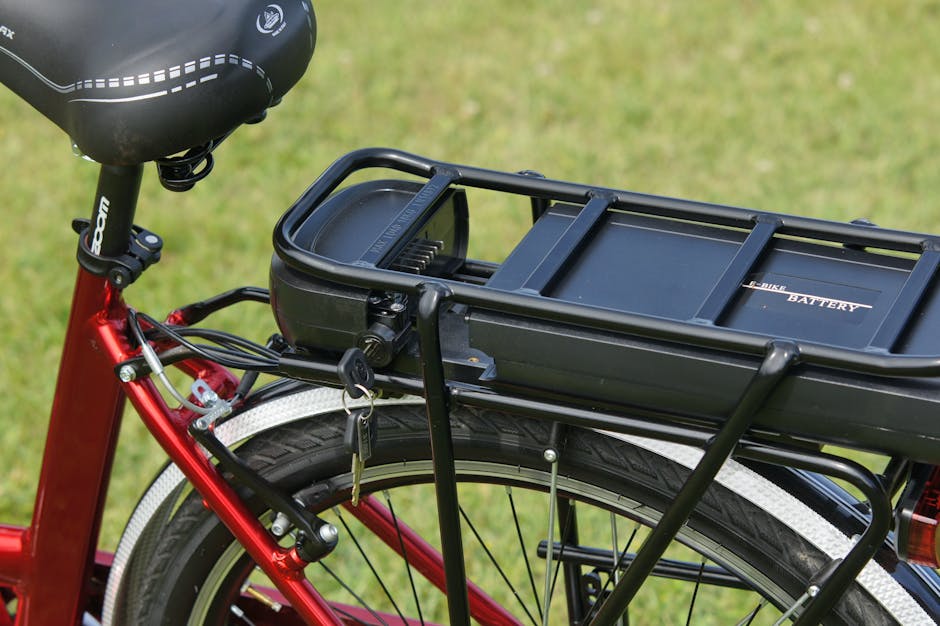
Also note: removable batteries make charging more convenient, especially if you park your bike at work or in a shared space. Models like the Specialized Turbo Vado SL 4.0 include a lightweight 320Wh battery that’s easy to carry indoors, though its range caps around 40–50 miles.
Support Feel: How the Motor Responds to Your Pedaling
The “support feel” of an e-bike refers to how naturally the motor assists your pedaling—whether it’s smooth and intuitive or jerky and overpowering. This directly affects comfort and control, especially in stop-and-go city traffic.
Mid-drive motors, such as those from Bosch and Shimano, generally offer more refined support because they leverage the bike’s gears and respond closely to cadence and torque sensors. The Bosch Performance Line CX motor, found on bikes like the Gazelle Ultimate T10+, delivers progressive power that matches your effort, making hills feel manageable without overwhelming acceleration.
Hub motors, common in budget and mid-tier e-bikes like the Ancheer AN-EB003, often feel less responsive. They provide power based primarily on cadence, which can lead to a “laggy” or abrupt sensation when starting from a stop. However, newer models like the RadCity have improved with torque-sensing hubs that offer smoother engagement.
For city riding, prioritize e-bikes with torque sensors over basic cadence sensors. Torque sensors detect how hard you’re pedaling and adjust assistance accordingly, resulting in a more natural, bike-like feel—especially helpful when navigating crowded sidewalks or tight turns.
Ride Quality: Suspension, Geometry, and Handling on Urban Pavement
Ride quality encompasses frame design, suspension (if any), tire width, and overall stability. On city streets riddled with cracks, potholes, and uneven surfaces, a comfortable, controlled ride reduces fatigue and improves safety.
Step-through frames, like those on the Electra Townie Go! 7D, offer easy mounting and dismounting—ideal for riders wearing work clothes or carrying bags. However, they may sacrifice some structural rigidity compared to traditional diamond frames. The Priority Continuum Onyx, with its belt drive and internal gear hub, combines a relaxed geometry with minimal maintenance, though it lacks suspension.
Front suspension forks, such as on the Himiway Cruiser, absorb bumps effectively but add weight and require periodic maintenance. For most city riders, wide tires (2.2” to 2.8”) with moderate tread provide sufficient cushioning without the complexity of suspension. The Schwalbe Super Moto-X tires on the Urban Arrow Family are a standout example—offering puncture resistance and a smooth roll on asphalt.
Steering responsiveness varies too. Bikes with shorter wheelbases, like the VanMoof S5, feel nimble in traffic but can be twitchy at speed. Longer wheelbases, such as on cargo e-bikes, offer stability but reduce maneuverability in tight spaces.
Durability for City Streets: What Holds Up Over Time
City environments are tough on bikes. Salt, rain, debris, and constant stopping and starting demand components built to last. Durability isn’t just about the frame—it’s about seals, welds, bearings, and electrical connections.
Aluminum frames are standard and resist rust, but look for reinforced joints and quality welds. The Cube Kathmandu Hybrid Pro 750 uses hydroformed aluminum with internal cable routing, protecting wires from weather and snags. Steel frames, like on the Bakfiets Cargo Bike, are stronger and absorb vibrations better but require regular rust prevention in wet climates.
Motors and batteries should be IP-rated for water resistance. Most reputable brands offer IP54 or higher, meaning they can handle splashes and light rain—but avoid high-pressure hoses during cleaning. The Bosch eBike systems are sealed to IP65, making them among the most weather-resistant on the market.
Brakes matter too. Mechanical disc brakes are serviceable but require more hand force in wet conditions. Hydraulic discs, like those on the Haibike SDuro Trekking 7.0, offer consistent stopping power with less effort and better modulation—critical when dodging pedestrians or sudden obstacles.
Finally, consider drivetrain longevity. Chain-driven systems are affordable but wear faster in dirty, wet conditions. Belt drives, used in the Gates Carbon Drive system (found on bikes like the Riese & Müller Load 75), are cleaner, quieter, and last significantly longer—though they require compatible frames and can’t be repaired on the go.
Top E-Bikes for City Commuting: A Side-by-Side Comparison
Below is a comparison of five popular e-bikes optimized for urban use, evaluated on battery range, support feel, ride quality, and durability.
| Bike Model | Battery Range (Real-World) | Motor Type | Support Feel | Ride Quality | Durability Notes |
|---|---|---|---|---|---|
| Trek Allant+ 7S | 45–55 miles | Bosch Performance Line CX (mid-drive) | Smooth, responsive | Stable, upright geometry | Aluminum frame, IP65 motor, hydraulic brakes |
| Rad Power Bikes RadCity 5 Plus | 40–50 miles | 750W geared hub motor | Good with torque sensor | Comfortable, wide tires | Puncture-resistant tires, removable battery |
| Specialized Turbo Vado SL 4.0 | 40–50 miles | Specialized SL 1.1 (mid-drive) | Light, natural assist | Sporty yet comfortable | Lightweight frame, minimal maintenance |
| Gazelle Ultimate T10+ | 50–60 miles | Bosch Performance Line (mid-drive) | Refined, balanced | Premium suspension seatpost | High-quality welds, integrated lighting |
| Priority Continuum Onyx | 35–45 miles | 500W rear hub motor | Smooth, quiet | Relaxed, upright ride | Belt drive, internal hub, low maintenance |
What to Avoid When Buying a City E-Bike
Not all e-bikes are created equal—especially when it comes to long-term city use. Avoid these common pitfalls:
- Cheap, non-removable batteries: If the battery isn’t removable, you’ll need to bring the entire bike indoors to charge—impractical for apartment dwellers.
- Low IP ratings: Bikes without proper sealing may suffer electrical failures in rain or snow.
- Poor brake quality: Rim brakes wear quickly in wet conditions and offer less control than disc brakes.
- Overly aggressive geometry: Sporty e-bikes may feel unstable at low speeds or when carrying cargo.
- Lack of service network: Brands with limited dealer support can leave you stranded if repairs are needed.
Always test ride before buying. Pay attention to how the bike feels at low speeds, during starts and stops, and over bumps. A good shop will let you ride around the block—don’t skip this step.
Final Tips for Long-Term E-Bike Ownership
Maintaining your e-bike ensures it stays reliable and safe for years. Follow these best practices:
- Clean regularly: Wipe down the frame and drivetrain weekly to remove grime and salt.
- Lubricate the chain or belt: Use wet lube in rainy climates, dry lube in dry ones.
- Check tire pressure: Underinflated tires increase rolling resistance and risk pinch flats.
- Store indoors when possible: Prolonged exposure to moisture and UV light degrades components.
- Get annual professional tune-ups: Especially for hydraulic brakes and motor diagnostics.
Investing in a durable, well-designed e-bike pays off in comfort, reliability, and lower long-term costs. While premium models cost more upfront, they often require fewer repairs and retain better resale value.
Frequently Asked Questions
How far can I really go on a single charge in the city?
Most city e-bikes deliver 35–55 miles in real-world conditions, depending on assist level, terrain, and rider weight. Use Eco mode and avoid hills to maximize range.
Are mid-drive motors worth the extra cost for city riding?
Yes, if you value smooth, natural assistance and better efficiency. Mid-drives excel on varied terrain and hills, though hub motors are improving and often more affordable.
Can I ride my e-bike in the rain?
Yes, as long as it has an IP54 rating or higher. Avoid submerging the battery or motor, and dry the bike after wet rides to prevent corrosion.
Conclusion
Electric bicycles compared by battery range, support feel, and ride quality reveal clear differences that impact daily city use. Prioritize models with reliable batteries, responsive motors, and durable builds designed for urban challenges. Whether you choose a Bosch-powered trekking bike or a belt-driven commuter, the right e-bike should feel like a natural extension of your movement—efficient, comfortable, and built to last through years of city streets.
