
Simple Cycling Tips That Make Every Bicycle Ride Smoother and More Enjoyable with a Focus on Durability for City Streets Leave a comment
Simple Cycling Tips That Make Every Bicycle Ride Smoother and More Enjoyable with a Focus on Durability for City Streets
City cycling can be both efficient and enjoyable—if you know a few key strategies to protect your bike and enhance your ride. Simple cycling tips that make every bicycle ride smoother and more enjoyable with a focus on durability for city streets start with proper maintenance, smart gear choices, and riding techniques tailored to urban environments. Whether you’re commuting daily or exploring on weekends, these practical steps reduce wear and tear, improve comfort, and help your bike last longer through stop-and-go traffic, potholes, and frequent braking.
Choose the Right Tires for City Durability
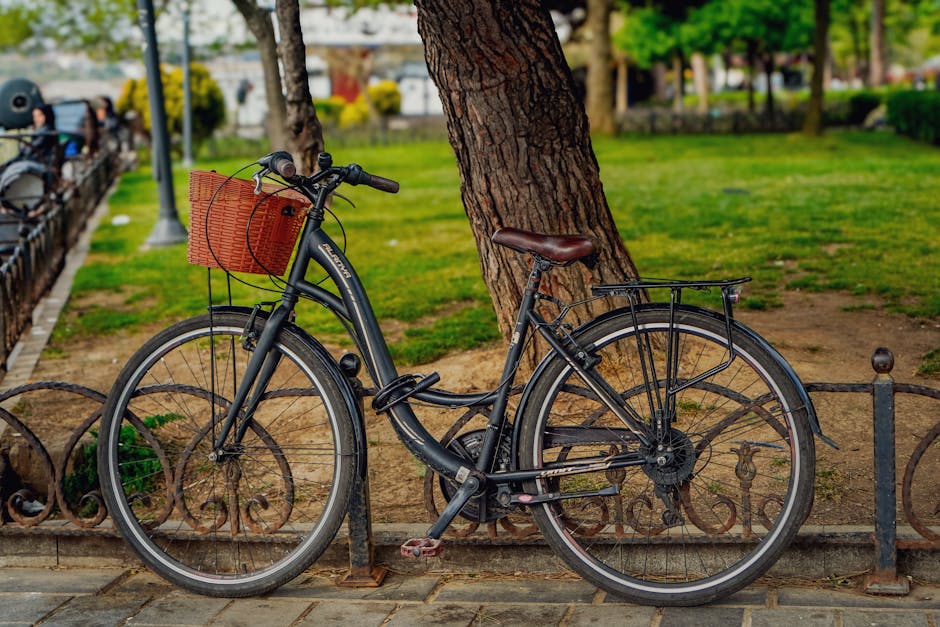
One of the most impactful upgrades for city cyclists is selecting tires designed for urban durability. Wider tires (28mm to 32mm) with puncture-resistant casings handle rough pavement and debris better than narrow racing tires. Look for models with reinforced sidewalls and tread patterns that balance grip and rolling resistance. For example, the Schwalbe Marathon Plus offers excellent flat protection and long tread life—ideal for daily commuters navigating curbs, glass, and uneven surfaces.
Maintain Proper Tire Pressure
Underinflated tires increase rolling resistance and the risk of pinch flats, especially over potholes. Overinflated tires, while faster on smooth roads, transmit more vibration and reduce traction on wet or cracked pavement. Check your tire pressure weekly using a reliable gauge and inflate to the recommended range printed on the tire sidewall. A good rule of thumb: if your ride feels harsh or sluggish, your pressure may be off.
Regular Maintenance Extends Bike Life
A well-maintained bike performs better and lasts longer. City riding exposes components to dust, moisture, and constant use, accelerating wear. Follow a basic maintenance schedule:
- Clean your chain monthly with a degreaser and re-lubricate with a wet or dry lube depending on weather conditions.
- Inspect brake pads every two weeks for wear and alignment. Squeaky or weak brakes often mean pads are worn or contaminated.
- Check wheel trueness and spoke tension every few months. A wobbly wheel strains the frame and drivetrain.
- Lubricate pivot points on derailleurs and brake levers to prevent stiffness and corrosion.
Spending 15 minutes every month on upkeep can prevent costly repairs and keep your bike running smoothly through years of city use.
Ride Smart to Reduce Wear and Increase Comfort
How you ride affects both your comfort and your bike’s longevity. Avoiding unnecessary strain on components starts with technique.
Anticipate Traffic and Brake Gradually
Sudden stops wear out brake pads and tires faster. Instead, scan ahead and begin slowing early. Use both brakes evenly—rear first, then front—to maintain control. In wet conditions, brake earlier and more gently to prevent skidding.
Stand on Rough Patches
When crossing train tracks, potholes, or cobblestones, shift your weight back and stand slightly on the pedals. This absorbs shock through your legs instead of transferring it to the frame and wheels. It’s a simple habit that reduces fatigue and mechanical stress.
Use Gears Efficiently
Shift before you stop at red lights to avoid starting in a high gear, which strains the chain and drivetrain. On hills, downshift early to maintain a steady cadence. A relaxed pedaling rhythm (70–90 RPM) reduces joint strain and improves efficiency.
Protect Your Bike from the Elements
City bikes face constant exposure to rain, road salt, and grime. These elements corrode metal parts and degrade rubber and plastic components over time.
Wipe Down After Rainy Rides
After cycling in wet conditions, take a minute to wipe down the frame, chain, and derailleurs with a dry cloth. This removes moisture and salt that accelerate rust. If you ride frequently in rain, consider a full fender setup to keep water and debris off critical parts.
Store Indoors When Possible
Leaving your bike outside exposes it to temperature swings, UV damage, and theft. Even a covered outdoor spot is riskier than indoor storage. If you must park outside, use a high-quality U-lock and cover the bike with a breathable, waterproof cover to reduce moisture buildup.
Upgrade Key Components for Longevity
Some parts endure more stress in city riding and benefit from durable replacements.
Invest in a Stronger Chain
Standard chains wear quickly under heavy use. Consider upgrading to a nickel-plated or rust-resistant chain like the KMC X10 or X11, which resist corrosion and last longer in wet climates.
Choose Reliable Brakes
Rim brakes wear down both pads and rims over time. If your bike has rim brakes, monitor rim wear indicators. For better stopping power and less wear, consider switching to mechanical disc brakes, which perform consistently in rain and reduce rim degradation.
Use a Durable Saddle and Grips
City riding means more time in the saddle. A well-padded, weather-resistant saddle (like those from Brooks or Selle Royal) improves comfort and resists cracking. Similarly, ergonomic grips with gel padding reduce hand fatigue and last longer than basic rubber ones.
Plan Your Route for a Smoother Ride
Not all city streets are created equal. Choosing routes with smoother pavement, bike lanes, and fewer stops can dramatically improve your experience.
Use Bike Maps and Apps
Apps like Google Maps, Komoot, or Ride with GPS let you filter for bike-friendly routes. Look for paths with protected lanes, lower traffic volume, and fewer hills. Even a slightly longer route with better conditions can reduce fatigue and bike wear.
Avoid Construction Zones When Possible
Construction areas often have loose gravel, uneven surfaces, and detours that increase the risk of flats or accidents. Check local traffic updates and adjust your path to avoid these zones during peak disruption times.
Carry Essential Tools for On-the-Go Fixes
A few lightweight tools can prevent small issues from turning into ride-ending problems.
Essential Items to Carry
| Item | Purpose |
|---|---|
| Mini pump or CO2 inflator | Reinflate tires after a flat |
| Spare tube or patch kit | Fix punctures quickly |
| Multi-tool with hex keys | Tighten loose bolts or adjust components |
| Tire levers | Remove tires without damaging rims |
| Chain lubricant (small bottle) | Re-lube chain if it gets dry or gritty |
Store these in a small saddle bag or frame pack. Being prepared means fewer disruptions and less stress on your bike from prolonged issues.
Final Thoughts: Ride with Confidence and Care
Simple cycling tips that make every bicycle ride smoother and more enjoyable with a focus on durability for city streets don’t require expensive gear or expert skills. They come down to consistent care, smart choices, and awareness of your environment. By choosing durable components, maintaining your bike regularly, and riding with intention, you’ll extend its lifespan and enjoy every mile—whether you’re dodging traffic or cruising down a quiet side street.
FAQ
How often should I clean my bike chain?
Clean and lubricate your chain every 100–200 miles, or monthly if you ride daily in wet or dirty conditions. A gritty or noisy chain is a clear sign it needs attention.
Can I use a road bike for city commuting?
Yes, but consider wider tires, fenders, and a more upright position for comfort and durability. Road bikes are lighter and faster but may wear faster on rough city streets without modifications.
What’s the best way to prevent theft in the city?
Use a high-quality U-lock to secure the frame and rear wheel to a fixed object. Add a cable for the front wheel and seat. Always lock in well-lit, busy areas and register your bike with local authorities.
