
Best Bicycles to Consider for Smoother Commuting, Fitness, and Leisure Riding with a Focus on Comfort for City Streets Leave a comment
Best Bicycles to Consider for Smoother Commuting, Fitness, and Leisure Riding with a Focus on Comfort for City Streets
Finding the best bicycles to consider for smoother commuting, fitness, and leisure riding with a focus on comfort for city streets means prioritizing ergonomics, ride quality, and practicality. Urban environments demand bikes that absorb road vibrations, offer stable handling, and support an upright riding position. Whether you’re navigating rush-hour traffic, fitting in a midday workout, or enjoying a weekend cruise, the right bike can make all the difference. This guide breaks down top options across categories—hybrid, comfort, electric, and folding bikes—so you can choose confidently based on your needs, budget, and local terrain.
Why Comfort Matters Most for City Riding
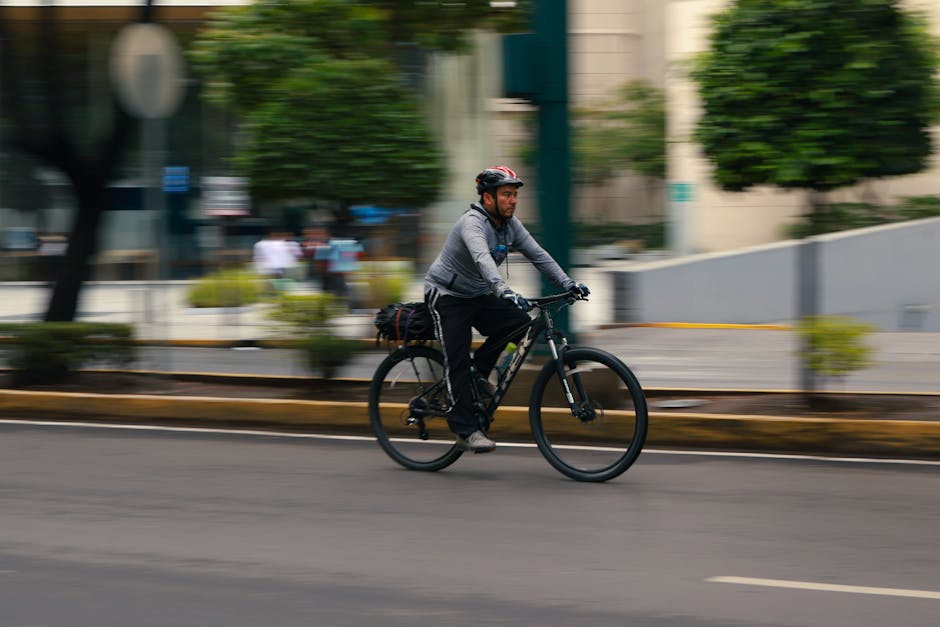
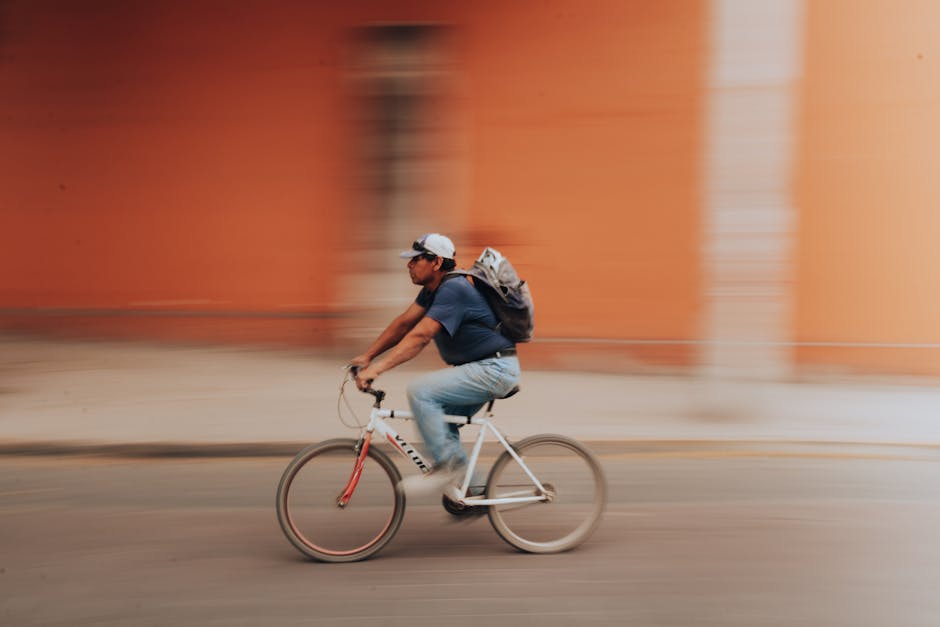
City streets are rarely smooth. Potholes, cracked pavement, tram tracks, and frequent stops create a challenging environment for cyclists. A comfortable bike reduces fatigue, prevents strain, and encourages consistent use—whether for daily commutes or weekend rides. Key comfort features include a relaxed geometry, wide saddles, suspension seatposts or front forks, and tires that cushion impact without sacrificing efficiency.
Unlike performance-oriented road bikes built for speed, city-focused models prioritize rider posture and shock absorption. An upright stance reduces neck and back tension, while wider tires (typically 32mm to 42mm) roll smoothly over rough surfaces. These design choices don’t just improve comfort—they enhance control and safety in stop-and-go traffic.
Top Bike Types for Urban Comfort and Versatility
Not all bikes are created equal for city use. Here are the most suitable types, each offering distinct advantages:
1. Hybrid Bikes: The All-Rounder for City Life
Hybrid bikes blend features from road and mountain bikes, making them ideal for mixed-use city riding. They typically have flat handlebars for better control, medium-width tires for stability, and gearing that handles both flat streets and gentle hills.
Look for models with ergonomic grips, step-through frames (easier mounting), and mounts for racks or fenders. The Trek FX Series and Giant Escape are standout examples, offering reliable components and smooth rides at accessible price points. Most hybrids weigh between 25 and 30 pounds—light enough to carry upstairs but sturdy enough for daily use.
2. Comfort Bikes: Built for Relaxed Riding
Designed specifically for leisure and short commutes, comfort bikes emphasize ease of use. They feature wide, padded saddles, suspension seatposts, and often front suspension forks to absorb bumps. Their step-through or low-step frames make getting on and off simple, especially when wearing work clothes or carrying a bag.
The Electra Townie is a popular choice, known for its patented Flat Foot Technology that shifts your center of gravity slightly back, improving balance and reducing knee strain. While not built for high speeds, these bikes excel on flat city routes and park paths.
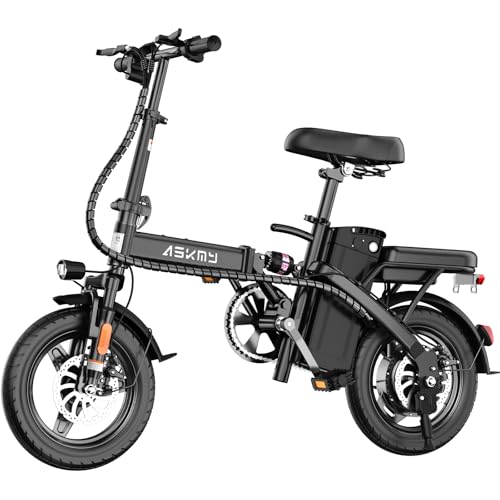
3. Electric Bikes (E-Bikes): Effortless Commuting
E-bikes have surged in popularity for city riders who want to arrive sweat-free or tackle hills without strain. Modern models offer pedal-assist motors that engage smoothly, with batteries lasting 30 to 70 miles per charge depending on usage.
For comfort-focused e-bikes, consider the Rad Power Bikes RadCity or Specialized Turbo Vado. Both feature upright geometry, integrated lights, and suspension seatposts. Many include rear racks and fender compatibility, making them practical for errands or carrying work gear. Keep in mind that e-bikes are heavier—typically 45 to 60 pounds—so consider storage and portability.
4. Folding Bikes: Compact and Convenient
If you live in a small apartment or combine biking with public transit, a folding bike offers unmatched convenience. Models like the Brompton M6L or Tern Link D8 fold quickly and fit under desks or in train cars. While ride quality varies, newer designs use larger wheels (16″ to 20″) and improved frames to deliver surprisingly smooth handling.
Folding bikes aren’t ideal for long distances or rough terrain, but they’re excellent for last-mile commuting and multi-modal travel. Look for models with adjustable stems and ergonomic grips to maintain comfort during extended rides.
Key Features to Prioritize for City Comfort
Beyond bike type, specific components and design elements directly impact comfort and usability:
- Tire Width and Tread: Wider tires (35mm+) with moderate tread provide cushioning and grip without excessive rolling resistance. Avoid slick racing tires on city streets—opt for puncture-resistant models like Schwalbe Marathon or Continental Contact.
- Suspension Systems: A front suspension fork helps on rough roads, but adds weight and maintenance. For most city riders, a suspension seatpost or elastomer-based saddle suspension is sufficient and more reliable.
- Frame Material: Aluminum frames are lightweight and affordable; steel offers a smoother ride due to natural flex but adds weight. Carbon fiber is rare in comfort-focused city bikes due to cost.
- Gearing: Internal hub gears (e.g., Shimano Nexus or Alfine) require less maintenance and allow shifting at stops—ideal for traffic-heavy routes. Derailleur systems offer more gear range but need regular cleaning.
- Accessories: Fenders keep you dry in rain, racks carry bags, and lights improve visibility. Choose bikes with pre-installed mounts to simplify upgrades.
Top 5 Comfort-Focused City Bikes Compared
Below is a comparison of five highly rated models across different categories, based on comfort, value, and city-specific features:
| Bike Model | Type | Key Comfort Features | Price Range | Best For |
|---|---|---|---|---|
| Trek FX 3 Disc | Hybrid | IsoSpeed decoupler, ergonomic grips, 32mm tires | $800–$950 | Daily commuters seeking speed and comfort |
| Electra Townie 7D | Comfort | Flat Foot Technology, wide saddle, step-through frame | $550–$650 | Leisure riders and short commutes |
| Rad Power Bikes RadCity 5 Plus | E-Bike | Pedal-assist motor, suspension seatpost, integrated lights | $1,799–$1,999 | Hilly cities or longer commutes |
| Brompton M6L | Folding | Compact fold, adjustable handlebars, 16″ wheels with suspension | $1,400–$1,600 | Urban dwellers with limited storage |
| Giant Escape 2 Disc | Hybrid | ALUXX aluminum frame, 38mm tires, upright geometry | $600–$700 | Budget-conscious riders wanting versatility |
How to Choose the Right Bike for Your Routine
With so many options, narrowing your choice starts with answering a few key questions:
- What’s your primary use? If commuting 5+ miles daily, prioritize efficiency and durability—hybrid or e-bike. For weekend rides under 10 miles, a comfort bike may suffice.
- How hilly is your city? Steep inclines favor e-bikes or bikes with wide gear ranges. Flat areas allow simpler, lighter models.
- Do you carry gear? Racks and panniers are essential for laptops, groceries, or gym clothes. Ensure your bike has mounting points.
- Where will you store it? Apartments and offices with limited space benefit from folding or compact designs.
- What’s your budget? Entry-level comfort bikes start around $400, while high-end e-bikes exceed $2,500. Factor in accessories like locks, helmets, and lights.
Maintenance Tips to Keep Your Ride Smooth
A comfortable bike stays comfortable only with regular care. Neglect leads to squeaky brakes, stiff shifting, and worn tires—all of which degrade the riding experience.
- Check tire pressure weekly: Underinflated tires increase rolling resistance and risk pinch flats. Use a gauge and follow the psi range on the tire sidewall.
- Lubricate the chain monthly: Clean with a degreaser, then apply bike-specific lube. A dry chain wears faster and makes pedaling harder.
- Inspect brakes before long rides: Squealing or reduced stopping power means pads may need adjustment or replacement.
- Store indoors when possible: Rain and humidity corrode components. If outdoor storage is unavoidable, use a weatherproof cover.
Most local bike shops offer affordable tune-up packages. A basic service every 6–12 months ensures smooth operation and extends your bike’s life.
Safety and Etiquette for City Cyclists
Comfort isn’t just physical—it includes peace of mind. Riding safely in traffic reduces stress and prevents accidents.
- Always wear a helmet, even on short trips.
- Use front and rear lights, especially at dawn, dusk, or in rain.
- Signal turns and lane changes clearly with hand signals.
- Ride predictably—avoid sudden swerves or riding on sidewalks where prohibited.
- Lock your bike securely using a U-lock through the frame and rear wheel.
Many cities now have protected bike lanes and bike-sharing programs. Familiarize yourself with local routes and infrastructure to choose the safest paths.
Final Thoughts: Invest in Comfort for Long-Term Enjoyment
The best bicycles to consider for smoother commuting, fitness, and leisure riding with a focus on comfort for city streets are those that fit your lifestyle, not just your budget. A well-chosen bike encourages regular use, supports your health, and turns transportation into enjoyment. Prioritize ergonomics, practical features, and reliable components—and don’t hesitate to test ride multiple models. Your ideal city bike should feel like a natural extension of your daily routine, not a compromise.
FAQ
What’s the most comfortable bike for short city commutes?
The Electra Townie is widely regarded as one of the most comfortable options for short urban trips, thanks to its relaxed geometry and ergonomic design that reduces strain on your back and knees.
Are e-bikes worth it for flat city riding?
Even on flat terrain, e-bikes can be worthwhile if you want to arrive at work without sweating, carry heavy loads, or extend your riding range. They also make cycling accessible to riders with joint issues or lower fitness levels.
Can I use a hybrid bike for weekend fitness rides?
Yes—hybrid bikes like the Trek FX or Giant Escape are excellent for fitness. Their efficient gearing and lighter weight compared to comfort bikes allow for faster, more sustained riding on paved paths and city streets.
