
What to Know Before Buying an Electric Bicycle for Wet Weather Riding and Daily Cycling with a Focus on Posture for City Streets Leave a comment
What to Know Before Buying an Electric Bicycle for Wet Weather Riding and Daily Cycling with a Focus on Posture for City Streets
If you’re considering an electric bicycle for daily city commuting—especially in wet conditions—knowing what to look for can make the difference between a smooth, safe ride and a frustrating experience. What to know before buying an electric bicycle for wet weather riding and daily cycling with a focus on posture for city streets includes evaluating frame design, weather protection, tire performance, drivetrain reliability, and ergonomics. A well-chosen e-bike supports upright posture, resists corrosion, handles slick roads confidently, and keeps you dry and comfortable through rain, puddles, and stop-and-go traffic. This guide walks you through the essential features, common pitfalls, and practical tips to help you select the right e-bike for urban, all-weather use.
Why Posture Matters for City E-Bike Commuting
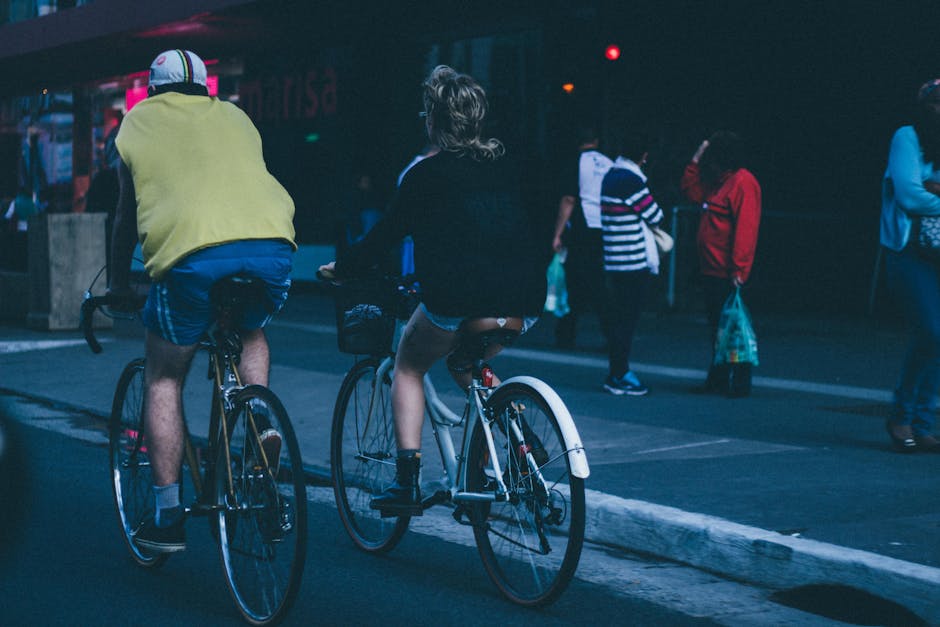
Posture directly affects comfort, control, and long-term joint health—especially during daily rides that may last 30 minutes or more. On city streets, you’re constantly starting, stopping, scanning for hazards, and navigating tight spaces. A poor riding position can lead to neck strain, lower back pain, or numb hands, making even short commutes uncomfortable.
An upright posture—where your back is near-vertical and your arms are relaxed—reduces strain on your spine and shoulders. It also improves visibility in traffic, allowing you to see over cars and make eye contact with drivers. Most city e-bikes are designed with this in mind, but not all deliver equally.
Look for models with adjustable handlebars, a relaxed seat tube angle, and a step-through frame if you prefer easier mounting. Avoid aggressive, forward-leaning geometries unless you’re experienced and prioritize speed over comfort. A comfortable posture isn’t just about feeling good—it keeps you alert and in control when navigating wet, congested streets.
Key Features for Wet Weather Riding
Riding in the rain introduces unique challenges: reduced traction, visibility issues, and the risk of mechanical damage. Choosing an e-bike built for wet conditions means prioritizing components that resist water, mud, and corrosion.
1. Fenders (Mudguards)
Full-coverage fenders are essential. They prevent water and road spray from hitting your back, legs, and the bike’s drivetrain. Look for sturdy, full-length fenders made from aluminum or reinforced plastic. Clip-on or partial fenders won’t offer enough protection during heavy downpours or when riding through puddles.
2. Chain Guard or Enclosed Drivetrain
An exposed chain collects water, dirt, and grime, leading to faster wear and noisy operation. A chain guard or, better yet, a fully enclosed belt drive system (like those from Gates) keeps the drivetrain clean and dry. Belt drives require less maintenance and are quieter than chains, though they’re typically found on higher-end models.
3. Sealed Components
Check that the motor, battery connectors, and wiring are sealed against water ingress. Look for IP ratings—IP65 or higher means the component is protected against dust and low-pressure water jets. Avoid bikes with exposed battery terminals or poorly routed cables that could trap moisture.
4. Disc Brakes (Hydraulic Preferred)
Rim brakes lose effectiveness when wet, as water reduces friction between the brake pads and rims. Disc brakes—especially hydraulic ones—maintain strong, consistent stopping power in rain and mud. Mechanical disc brakes are better than rim brakes but still lag behind hydraulic systems in modulation and power.
5. Water-Resistant Battery and Charging Port
The battery should have a secure, covered charging port and be removable for indoor charging. Never charge a wet battery. Some manufacturers offer weatherproof battery covers or recommend wiping the port dry before plugging in.
Tire Selection for Wet City Streets
Tires are your only contact point with the road, making them critical for safety in wet conditions. The right tires improve grip, reduce slipping, and help prevent punctures from wet debris.
Tread Pattern
Look for tires with a moderate tread pattern—enough to channel water away but not so aggressive that they’re noisy or slow on pavement. Smooth or slick tires may feel fast but can hydroplane on wet surfaces. Examples include the Schwalbe Marathon Plus HS 440 or the Continental Contact Urban, both known for wet-weather grip and durability.
Tire Width
Wider tires (at least 35mm, ideally 40–50mm) provide better stability and cushioning on uneven city roads. They also run at lower pressures, increasing the contact patch and improving traction on slick surfaces. Avoid narrow racing-style tires unless you’re only riding on dry, smooth pavement.
Puncture Protection
City streets are littered with glass, nails, and sharp debris—especially after rain washes them into the road. Tires with built-in puncture protection layers (like Kevlar belts) reduce the chance of flats. Pair them with puncture-resistant inner tubes or tubeless sealant for added peace of mind.
Frame and Build Quality for Daily Use
Daily commuting demands durability. A well-built frame and quality components withstand the wear and tear of frequent use, variable weather, and urban obstacles like curbs and potholes.
Frame Material
Aluminum is the most common material for city e-bikes—it’s lightweight, strong, and resistant to rust. Steel frames are durable and absorb vibrations well but are heavier and can corrode if not properly treated. Carbon fiber is rare on e-bikes due to cost and complexity but offers excellent stiffness and weight savings.
Weld Quality and Finish
Inspect welds for smoothness and consistency. Poor welding can lead to cracks over time, especially under the stress of motor power and rough roads. A powder-coated finish adds an extra layer of protection against moisture and scratches.
Step-Through vs. Step-Over Frames
Step-through frames (with a low or absent top tube) are easier to mount and dismount, especially when wearing work clothes or carrying a bag. They promote a more upright posture and are ideal for riders who value convenience and comfort. Step-over frames are stiffer and often lighter but require more flexibility to use.
Motor and Battery Considerations
The motor and battery determine how far and how comfortably you can ride, especially in hilly cities or when carrying cargo.
Motor Placement
Mid-drive motors (located near the pedals) offer better weight distribution and leverage the bike’s gears, making them efficient on hills and in traffic. Hub motors (in the front or rear wheel) are simpler and often cheaper but can feel unbalanced, especially on wet surfaces.
Battery Range and Capacity
Look for a battery with at least 400Wh of capacity for daily city use. Real-world range varies based on assist level, terrain, and rider weight, but a 400Wh battery typically provides 40–70 km (25–45 miles) on moderate assist. Removable batteries allow for indoor charging and replacement if needed.
Weather Resistance
Ensure the battery and motor are rated for wet conditions. Most reputable brands design their systems to handle rain, but avoid submerging the bike in water or washing it with a high-pressure hose.
Accessories That Enhance Wet Weather Comfort
The right accessories can transform a good e-bike into a reliable daily commuter.
Lighting
Bright, rechargeable lights are essential for visibility in rain and low-light conditions. Look for front lights with at least 300 lumens and rear lights with flashing modes. Integrated lights powered by the bike’s battery are convenient and always charged.
Rear Rack and Panniers
A sturdy rear rack lets you carry groceries, a laptop, or a change of clothes without wearing a backpack. Panniers keep your belongings dry and lower the center of gravity, improving stability. Waterproof panniers with roll-top closures are ideal for wet weather.
Kickstand
A center or dual-leg kickstand makes parking on wet or uneven ground easier. Avoid side stands on e-bikes—they can tip over under the bike’s weight.
Bell or Horn
Audible alerts help you navigate crowded sidewalks and intersections. A loud, clear bell is often sufficient, but some riders prefer electronic horns for added attention.
Common Mistakes to Avoid
Even experienced cyclists can make poor choices when buying an e-bike for city use. Here are common pitfalls to watch for:
- Ignoring test rides: Always test ride an e-bike before buying. Pay attention to how it feels when starting from a stop, turning, and braking in wet conditions.
- Overlooking maintenance needs: E-bikes require regular upkeep. Choose a model with accessible components and local dealer support.
- Choosing style over function: Sleek designs may look great but lack fenders, racks, or proper lighting. Prioritize practicality for daily use.
- Underestimating battery degradation: Batteries lose capacity over time. Check warranty terms—most cover 2–3 years or 500–1,000 charge cycles.
Top E-Bike Models for Wet Weather City Commuting
While specific models vary by region and availability, these types of e-bikes consistently perform well in urban, wet environments:
| Feature | Ideal for Wet Weather | Less Suitable |
|---|---|---|
| Frame | Aluminum, step-through, powder-coated | Carbon fiber, minimal fender mounts |
| Brakes | Hydraulic disc brakes | Rim brakes |
| Drivetrain | Belt drive or chain with guard | Exposed chain, no protection |
| Tires | 35–50mm, puncture-resistant, moderate tread | Under 30mm, slick tread |
| Accessories | Full fenders, rack, lights | Minimal or no accessories |
Final Checklist Before You Buy
Use this quick checklist to evaluate any e-bike for wet weather city commuting:
- Does it have full-coverage fenders?
- Are the brakes hydraulic disc?
- Is the drivetrain protected from water and dirt?
- Are the tires at least 35mm wide with good tread?
- Is the battery removable and weather-sealed?
- Does the frame support an upright, comfortable posture?
- Are there mounts for a rear rack and lights?
- Can you test ride it in conditions similar to your commute?
Conclusion
Choosing the right electric bicycle for wet weather riding and daily city cycling means balancing comfort, durability, and practicality. What to know before buying an electric bicycle for wet weather riding and daily cycling with a focus on posture for city streets includes prioritizing an upright riding position, weather-resistant components, reliable brakes, and protective accessories. By focusing on these elements, you’ll enjoy safer, more comfortable commutes—rain or shine. Invest in quality, test thoroughly, and choose a bike that fits your body and your route.
FAQ
Can I ride my e-bike in heavy rain?
Yes, most modern e-bikes are designed to handle rain, but avoid submerging the motor or battery. Dry the bike after riding and store it indoors when possible.
Do I need special tires for wet city streets?
Yes. Wider tires (35mm+) with moderate tread and puncture protection offer better grip and durability on wet, debris-filled roads.
How important is posture on an e-bike?
Very. An upright posture reduces strain, improves visibility, and enhances control—critical for navigating traffic and wet conditions safely.
Related keywords: What to know before buying a electric bicycle for wet weather riding and daily cycling with a focus on posture for city streets.
