
Road Cycling Tips for Riding Faster, Safer, and More Efficiently on City Streets Leave a comment
Road Cycling Tips for Riding Faster, Safer, and More Efficiently on City Streets
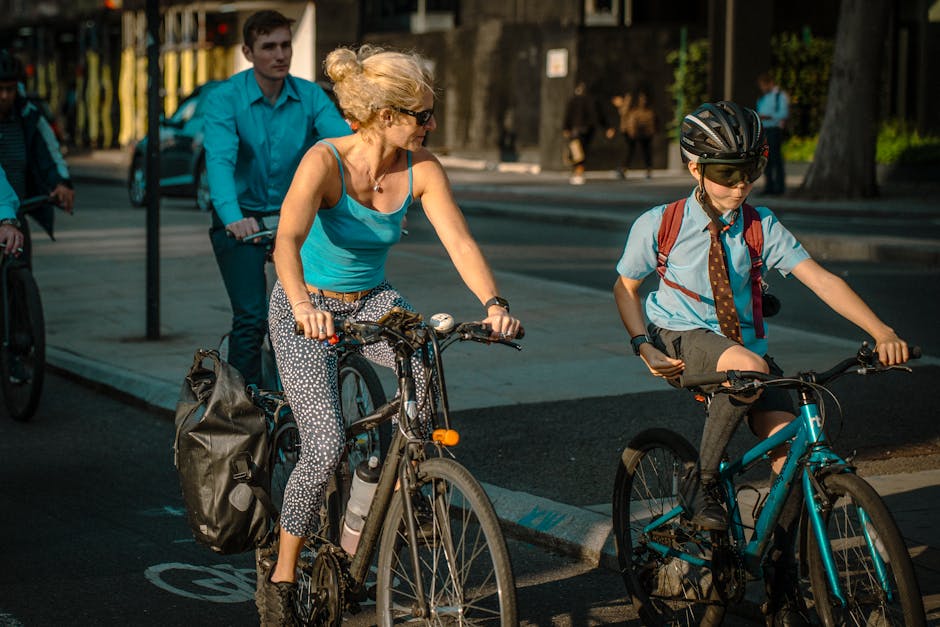
If you’re looking for road cycling tips for riding faster, safer, and more efficiently with a focus on fit for city streets, start with the basics: proper bike fit, smart positioning, and consistent technique. Urban environments demand quick reactions, efficient power transfer, and awareness of traffic patterns. A well-fitted bike reduces fatigue, improves control, and helps you maintain speed without unnecessary strain. Whether you’re commuting, training, or exploring your city, these practical strategies will help you ride with confidence and control through stop signs, intersections, potholes, and unpredictable drivers.
Why Bike Fit Matters More Than You Think
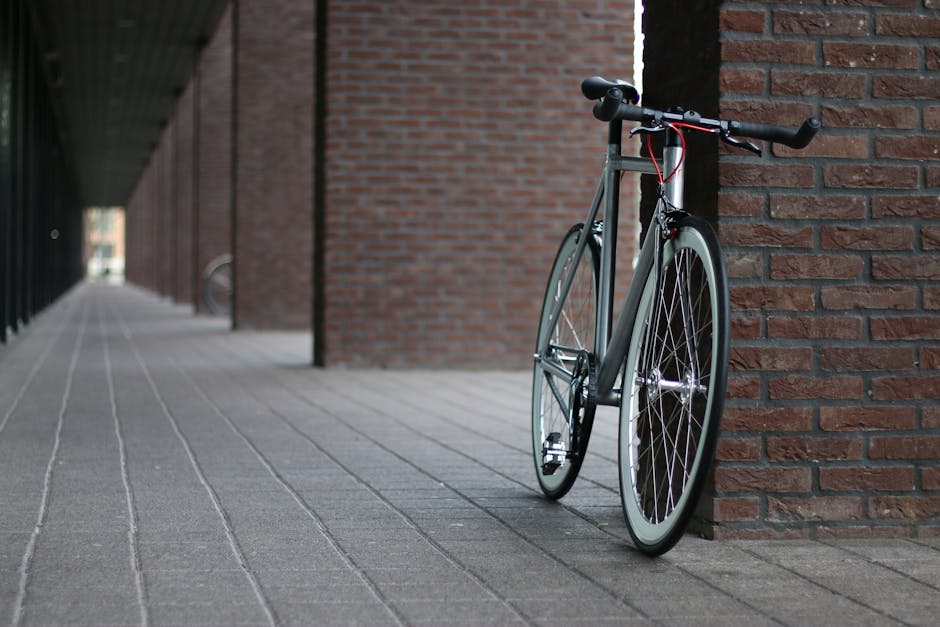
Many cyclists overlook fit, assuming that comfort comes from padding or suspension. But on city streets—where you’re constantly accelerating, braking, and maneuvering—your bike’s geometry directly affects your efficiency and safety. A poor fit leads to numb hands, back pain, and reduced pedal power. More critically, it limits your ability to react quickly in traffic.
Start with saddle height. When your heel rests flat on the pedal at the bottom of the stroke, your leg should be fully extended. If your hips rock side to side, the saddle is too high. If your knees feel strained, it’s too low. A simple test: sit on the saddle and place the ball of your foot on the pedal. There should be a slight bend in your knee at the bottom of the pedal stroke.
Next, check reach. When you grip the handlebars, your elbows should have a soft bend—not locked or overly extended. If you’re stretching too far forward, you’ll fatigue quickly and lose upper-body stability. A shorter stem or a different handlebar position can fix this. For city riding, a slightly more upright posture improves visibility and control at low speeds.
Finally, ensure your handlebars are level or slightly tilted so the brake levers are within easy reach. You shouldn’t have to shift your hands to brake in an emergency. This small adjustment can mean the difference between stopping in time and a collision.
Optimize Your Position for Urban Conditions
City streets aren’t race tracks. They’re filled with obstacles: potholes, curbs, pedestrians, buses, and cars opening doors. Your riding position should prioritize visibility, balance, and quick response.
Keep your head up and eyes scanning ahead—at least 10 to 15 feet in front of you. This gives you time to react to hazards. Avoid looking directly at the ground; instead, focus on the path you want to take. Your shoulders should be relaxed, not hunched near your ears. Tension slows your reflexes and increases fatigue.
Use a “ready position” at intersections: feet level, one finger on each brake lever, weight centered over the pedals. This lets you brake or accelerate instantly. When approaching red lights or stop signs, begin braking early and smoothly. Sudden stops waste energy and increase wear on your drivetrain.
For tight turns, lean the bike, not your body. Keep your inside pedal up to avoid scraping, and look through the turn—not at your front wheel. This helps your body and bike follow a natural arc, improving balance and control.
Improve Efficiency Through Pedaling and Gearing
Efficient pedaling isn’t just about power—it’s about smoothness. On city streets, you’re constantly changing speed, so a fluid pedal stroke saves energy and reduces joint stress.</p
Aim for a cadence of 80 to 100 revolutions per minute (RPM). This range keeps your muscles engaged without overloading them. Use your gears wisely: shift before you need to, not during heavy effort. Anticipate stops and downshift early so you can accelerate smoothly when the light turns green.
Consider a compact crankset (50/34 teeth) paired with an 11-28 or 11-32 cassette. This gives you a wide range of gears for hills and stop-and-go traffic without sacrificing top-end speed on flat stretches. A wider gear range also reduces strain on your knees during frequent accelerations.
To improve pedaling efficiency, practice “ankling”—pushing down through the ball of your foot and pulling up slightly at the top of the stroke. This engages more muscle groups and creates a circular motion. Over time, this becomes automatic and boosts your overall speed.
Master Braking and Cornering in Traffic
Braking is one of the most critical skills for city riding. Always use both brakes—front and rear—but prioritize the front brake, which provides up to 70% of your stopping power. The key is modulation: apply pressure gradually, not abruptly.
When descending hills or approaching red lights, shift your weight back slightly to prevent going over the handlebars. Keep your center of gravity low and centered. If you need to stop quickly, squeeze the front brake firmly while leaning back and bending your elbows to absorb shock.
For wet or slippery conditions, reduce speed before turns and avoid braking mid-corner. Wet leaves, manhole covers, and painted lane markings become slick hazards. If you must brake while turning, use only the rear brake gently to avoid skidding.
Cornering in traffic requires extra caution. Signal early, check mirrors and blind spots, and position yourself in the lane to be seen. Avoid riding in a car’s blind spot. When turning right, watch for left-turning vehicles that may cut you off. When turning left, wait for a clear gap or use a bike box if available.
Choose the Right Tires and Pressure for City Roads
Tires are your only contact with the road, so choose them wisely. For city riding, prioritize puncture resistance, grip, and comfort over outright speed. A tire that’s too narrow increases rolling resistance on rough pavement and offers less cushioning.
A 25mm to 28mm tire width is ideal for most urban conditions. Wider tires (up to 32mm) can run at lower pressures, absorbing bumps and improving traction without sacrificing much speed. Look for tires with reinforced casings or puncture protection layers, such as Schwalbe’s Marathon Plus or Continental’s Gatorskin.
Check tire pressure weekly. Underinflated tires increase rolling resistance and the risk of pinch flats. Overinflated tires transmit every bump and reduce grip. Use a floor pump with a gauge and follow the manufacturer’s recommended range. As a rule of thumb, inflate to the lower end of the range for comfort and the higher end for speed.
Stay Visible and Predictable to Drivers
Visibility is safety. Wear bright or reflective clothing, especially during dawn, dusk, or overcast conditions. A white front light and red rear light are essential—even during the day. Flashing modes increase your visibility to drivers scanning intersections.
Use hand signals clearly and early. Extend your left arm straight out for a left turn, left arm bent up for a right turn (or right arm out if safer), and left arm bent down to signal a stop. Make eye contact with drivers when possible, especially at intersections.
Ride predictably. Stay in a straight line within your lane, avoid swerving between parked cars, and don’t weave through traffic. Use bike lanes when available, but remain alert—they often end abruptly or are blocked by debris or vehicles.
Position yourself in the right third of the lane when riding in traffic. This discourages unsafe passing and gives you space to avoid hazards. In slower traffic or on narrow roads, ride in the center of the lane (“taking the lane”) to prevent cars from squeezing past dangerously.
Maintain Your Bike for Consistent Performance
A well-maintained bike is faster, safer, and more reliable. Neglecting maintenance leads to poor shifting, weak brakes, and increased wear.
Clean and lubricate your chain every 100 to 200 miles, or after riding in wet conditions. Use a bike-specific lubricant—wet lube for rain, dry lube for dry weather. Wipe off excess oil to prevent dirt buildup.
Check brake pads monthly. If they’re worn down to the wear indicator or less than 1mm thick, replace them. Ensure pads contact the rim evenly and don’t rub when released.
Inspect tires for cuts, embedded glass, or wear. Replace tires when the tread is smooth or the casing is visible. Check spoke tension and wheel trueness—wobbly wheels reduce control and increase the risk of failure.
Keep bolts tight, especially on the stem, handlebars, and seat post. Use a torque wrench if possible to avoid over-tightening and damaging components.
Plan Your Route for Speed and Safety
Not all city streets are created equal. Some are smooth and direct; others are potholed and congested. Use apps like Google Maps, Komoot, or Ride with GPS to find bike-friendly routes with protected lanes, lower traffic, and fewer hills.
Avoid main arterials during rush hour if possible. Side streets may be slower but often have less traffic and fewer hazards. Look for routes with bike signals, protected intersections, or green wave timing that matches common cycling speeds (e.g., 12–15 mph).
Scout new routes during off-peak hours. Note potholes, construction zones, and high-risk intersections. Share your route with a friend or use a tracker app for added safety.
Build Core Strength and Flexibility Off the Bike
Cycling efficiency isn’t just about the bike—it’s about your body. A strong core improves stability, reduces back pain, and helps you maintain an aerodynamic position.
Incorporate planks, bridges, and bird-dog exercises into your routine two to three times per week. These target the deep abdominal and back muscles essential for cycling posture.
Stretch regularly, especially your hip flexors, hamstrings, and shoulders. Tight hip flexors pull your pelvis out of alignment, affecting pedaling efficiency. Use a foam roller to release tension in your quads and IT bands.
Consider yoga or Pilates to improve flexibility and body awareness. These practices enhance balance and coordination—key for navigating city streets.
FAQ
How often should I get my bike professionally fitted?
Most cyclists benefit from a professional bike fit every 1–2 years, or after significant changes like a new bike, injury, or change in riding style. A certified fitter can fine-tune your position using motion capture and pressure mapping for optimal performance and comfort.
Can I use a road bike for daily city commuting?
Yes, but consider adding practical upgrades: fenders to block spray, a rack and panniers for cargo, and puncture-resistant tires. A more upright handlebar position or a compact frame can improve control in traffic.
What’s the safest way to ride in heavy traffic?
Ride predictably, use hand signals, stay visible with lights and bright clothing, and position yourself in the lane to be seen. Avoid riding in blind spots, and always assume drivers don’t see you. Use bike lanes when safe, but remain alert for opening car doors and turning vehicles.
Final Thoughts
Mastering road cycling tips for riding faster, safer, and more efficiently with a focus on fit for city streets comes down to preparation, awareness, and consistency. A well-fitted bike, smart technique, and regular maintenance create a foundation for confident urban riding. Focus on smooth pedaling, controlled braking, and visibility. Plan your routes wisely, and strengthen your body off the bike. With these strategies, you’ll not only ride faster and more efficiently—you’ll arrive at your destination feeling fresher and safer.
