

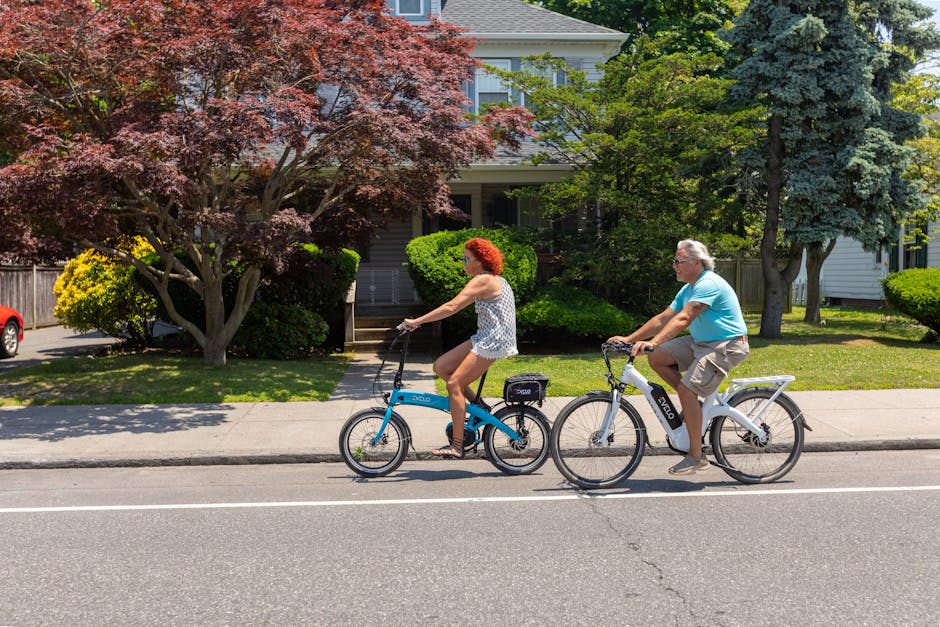
Electric Bicycles Explained for Riders: Features, Range, and Value on City Streets Leave a comment
Electric Bicycles Explained for Riders: Features, Range, and Value on City Streets
Electric bicycles—or e-bikes—have become a practical, eco-friendly alternative for navigating city streets. Combining pedal power with battery-assisted propulsion, they offer a smooth ride through traffic, hills, and long commutes without the sweat. For urban riders, choosing the right e-bike means balancing features, range, and value to match daily needs. This guide breaks down how electric bicycles work, compares key models suited for city use, and helps you decide which one fits your lifestyle, budget, and route.
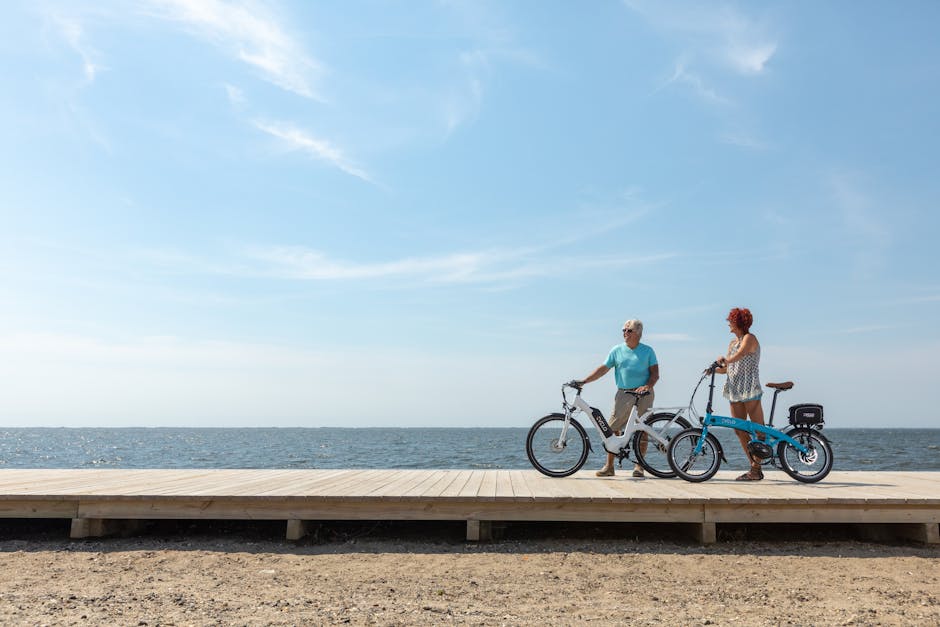
How Electric Bicycles Work on Urban Roads
Electric bicycles use a rechargeable battery and electric motor to assist pedaling, reducing effort while maintaining control. Most city e-bikes feature pedal-assist systems that activate when you start pedaling, with varying levels of support you can adjust on the fly. Some models also include a throttle, letting you ride without pedaling—similar to a scooter—though regulations on throttles vary by region.
The motor is typically located in the hub of the front or rear wheel, or centrally in the bottom bracket. Hub motors are common in budget and mid-range models, offering quiet operation and straightforward maintenance. Mid-drive motors, often found in higher-end e-bikes, deliver power through the bike’s drivetrain, improving balance and efficiency—especially on hills.
Batteries are usually lithium-ion, mounted on the downtube or rear rack. A full charge takes 3 to 6 hours and provides anywhere from 20 to 80 miles of range, depending on battery capacity (measured in watt-hours, or Wh), terrain, rider weight, and assist level. For city commuting, a 400–500Wh battery is typically sufficient for daily round trips under 20 miles.
Key Features That Matter on City Streets
Not all e-bikes are built the same. Urban riders should prioritize features that enhance safety, comfort, and convenience in stop-and-go traffic and variable weather.
Frame Design and Riding Position
Step-through frames are popular for city e-bikes because they allow easy mounting and dismounting—ideal for riders wearing work clothes or carrying bags. Traditional diamond frames offer more rigidity and are often lighter, but may be less convenient for frequent stops.
Upright riding positions reduce strain on the back and shoulders, improving visibility in traffic. Look for handlebars that allow a relaxed grip and a saddle with adequate padding. Adjustable stems and seat posts add flexibility for different riders.
Tires and Suspension
City streets mean potholes, curbs, and uneven pavement. Wider tires (1.75” to 2.3”) with puncture-resistant casings provide stability and cushioning. Some e-bikes include front suspension forks, which help absorb shocks, though they add weight and require maintenance. For flat city terrain, rigid forks are often sufficient and more efficient.
Tire pressure should be checked weekly. Underinflated tires increase rolling resistance and reduce range, while overinflated tires decrease grip and comfort.
Braking Systems
Reliable stopping power is critical. Mechanical disc brakes offer strong, consistent performance in wet conditions and are easier to service than rim brakes. Hydraulic disc brakes provide even better modulation and require less hand force—ideal for stop-and-go traffic.
Avoid e-bikes with only rim brakes, especially if you ride in rain or carry heavy loads. Poor braking increases stopping distance and risk of accidents.
Lighting and Visibility
Integrated LED lights powered by the main battery are standard on most city e-bikes. Front lights should be bright enough to illuminate the road ahead (at least 300 lumens), while rear lights should be visible from 500 feet away. Some models include brake-activated rear lights or daytime running lights for added safety.
Reflective strips on tires, pedals, and frames improve visibility at night. Consider adding aftermarket reflectors or safety vests if riding in low-light conditions.
Fenders and Racks
Fenders keep you dry during sudden downpours and prevent road spray from hitting your clothes. Rear racks allow you to carry groceries, laptops, or panniers without a backpack. Look for racks rated for at least 25–40 pounds, depending on your cargo needs.
Some e-bikes come with built-in racks and fenders; others require aftermarket installation. Ensure any add-ons don’t interfere with the battery or motor.
Range: How Far Can You Go on a Single Charge?
Range is one of the most misunderstood aspects of electric bicycles. Manufacturers often quote ideal conditions—flat terrain, low assist, light rider—but real-world range varies widely.
For city commuting, expect 20–50 miles per charge. Factors that reduce range include:
- Using high assist levels frequently
- Carrying heavy loads or riding with cargo
- Frequent stops and starts in traffic
- Hills or strong headwinds
- Cold weather (batteries lose efficiency below 50°F)
To maximize range, use lower assist settings on flat stretches, maintain steady speeds, and keep tires properly inflated. Regenerative braking—available on a few premium models—can recapture a small amount of energy, but most e-bikes rely solely on battery discharge.
If your commute exceeds 30 miles one way, consider a model with a removable battery so you can charge at work or carry a spare. Some riders keep a second battery for longer trips.
Comparing E-Bike Types for City Use
E-bikes come in several styles, each suited to different urban needs. Here’s how they compare:
| Type | Best For | Pros | Cons | Typical Price |
|---|---|---|---|---|
| Commuter E-Bike | Daily city travel, errands | Upright position, fenders, rack, lights | Heavier than road bikes | $1,200–$2,500 |
| Folding E-Bike | Mixed transit (bike + train/bus) | Compact, portable, easy to store | Smaller wheels, less stable at speed | $1,000–$2,200 |
| Cargo E-Bike | Transporting kids, groceries, gear | High payload capacity, long wheelbase | Bulky, harder to park | $2,000–$4,000 |
| Hybrid E-Bike | Mixed terrain, weekend rides | Versatile, good for light trails | Less optimized for pure city use | $1,500–$3,000 |
For most city riders, a commuter e-bike offers the best balance of comfort, utility, and value. Folding models are ideal if you need to take your bike on public transit or store it in a small apartment.
Value: What You Get for Your Money
E-bike prices range from under $1,000 to over $5,000. While budget models can handle short trips, they often compromise on build quality, battery life, and safety features.
At the $1,000–$1,500 range, expect basic components: hub motor, non-removable battery, mechanical disc brakes, and minimal accessories. These are fine for flat cities and light use, but may struggle on hills or with frequent riding.
Mid-range e-bikes ($1,500–$2,500) typically include hydraulic brakes, better suspension, integrated lights, and more reliable drivetrains. Brands like Rad Power Bikes, Aventon, and Trek offer strong value here.
Premium models ($2,500+) often feature mid-drive motors, high-capacity batteries, advanced displays, and lightweight frames. They’re built for performance and longevity, but may be overkill for casual riders.
Consider total cost of ownership: cheaper e-bikes may need battery replacement after 2–3 years ($400–$800), while higher-quality models last 5+ years with proper care.
Safety Tips for City E-Bike Riders
Electric bicycles can reach speeds of 20–28 mph, so safety is essential. Follow these guidelines:
- Always wear a helmet—many cities require it, and it significantly reduces injury risk.
- Use hand signals when turning and check mirrors or blind spots before changing lanes.
- Ride in bike lanes when available; avoid sidewalks unless permitted.
- Keep both hands on the handlebars and avoid using phones while riding.
- Test brakes before each ride and adjust assist levels based on traffic conditions.
- Lock your e-bike with a high-quality U-lock and remove the battery when parked in public.
E-bikes are attractive targets for theft due to their value. Register your bike, keep purchase records, and consider insurance if investing in a high-end model.
Maintenance and Longevity
Regular maintenance keeps your e-bike running smoothly and extends its lifespan. Basic tasks include:
- Cleaning the chain and drivetrain monthly with bike-specific degreaser
- Lubricating the chain every 100–200 miles
- Checking tire pressure weekly
- Inspecting brake pads for wear every few months
- Keeping the battery charged between 20% and 80% for long-term health
Avoid washing your e-bike with high-pressure hoses, which can damage electrical components. Use a damp cloth and mild soap instead.
Have your e-bike serviced annually by a qualified technician. They’ll check motor alignment, torque settings, and firmware updates.
Choosing the Right E-Bike for Your City
To find the best electric bicycle for your needs, answer these questions:
- How far is your daily commute?
- Are there hills or long stretches of traffic?
- Will you carry cargo or ride in rain?
- Do you need to store the bike indoors or on public transit?
- What’s your budget, including accessories and maintenance?
Test ride at least two models before buying. Pay attention to comfort, responsiveness, and how the bike handles at low speeds—important for navigating crowded streets.
Look for local dealers with service support. Online-only brands may save money upfront but can be harder to repair.
Final Thoughts on Electric Bicycles for City Riders
Electric bicycles offer a smart, sustainable way to move through urban environments. They reduce reliance on cars, ease traffic congestion, and make cycling accessible to more people—regardless of fitness level or distance. By focusing on features that matter for city streets—like reliable brakes, integrated lights, and practical range—you can find an e-bike that fits your daily life and budget.
Whether you’re commuting to work, running errands, or exploring your neighborhood, the right electric bicycle can transform how you experience the city.
FAQ
How fast do electric bicycles go in the city?
Most city e-bikes are limited to 20 mph (Class 1 and 2) or 28 mph (Class 3) under motor power. Actual speed depends on rider input, terrain, and local regulations.
Do I need a license or insurance to ride an e-bike?
In most U.S. cities, no license or insurance is required for Class 1 and 2 e-bikes. Class 3 models may require a helmet and have age restrictions. Check local laws before riding.
Can I ride an electric bicycle in the rain?
Yes, most e-bikes are designed for wet conditions. Avoid submerging the battery or motor, and dry the bike after riding to prevent corrosion.
Related keywords: Electric bicycles explained for riders comparing features, range, and value with a focus on fit for city streets.
