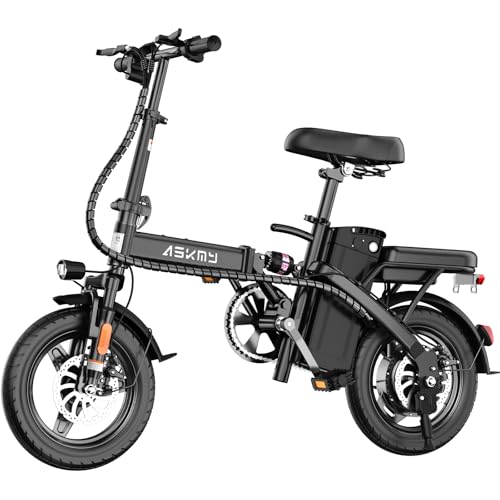


Electric Bicycle Advice for Choosing a Model That Fits Your Daily Routine Leave a comment
Electric Bicycle Advice for Choosing a Model That Fits Your Daily Routine
Choosing the right electric bicycle can transform your daily commute, especially if you navigate city streets regularly. The best e-bikes blend comfort, range, and agility to match urban environments—where traffic, curbs, and tight turns demand responsive handling. This guide offers practical electric bicycle advice for selecting a model that aligns with your routine, from battery life to frame design, so you can ride confidently through downtown grids, bike lanes, and mixed-use paths without compromise.

Why Fit Matters More Than Speed on City Streets
On congested city roads, an e-bike’s fit often matters more than top speed. A poorly sized bike leads to discomfort on longer rides, reduced control at low speeds, and fatigue that builds over time. In contrast, a well-fitted electric bicycle supports natural posture, improves balance, and makes frequent stops and starts—common in urban cycling—feel effortless.
Consider how you’ll use your e-bike: daily commutes under 10 miles, weekend errands, or multi-modal trips involving public transit. Each scenario influences ideal frame geometry, step-through design, and handlebar height. For example, a compact step-through frame suits riders who frequently dismount at intersections or carry groceries, while a more aggressive geometry may benefit those covering longer distances with fewer stops.
Key Factors to Match Your E-Bike to Urban Riding
City riding presents unique challenges—potholes, pedestrians, traffic signals, and variable pavement conditions. Your ideal e-bike should address these with thoughtful engineering and user-focused features.
Battery Range and Charging Convenience
Most commuters need 20–40 miles of range per charge. While premium models offer 60+ miles, real-world performance depends on assist level, terrain, and rider weight. A removable battery simplifies charging at work or home, especially if you lack secure outdoor storage. Look for batteries with at least 400Wh capacity for reliable daily use.
Example: A 500Wh battery on a mid-drive motor typically delivers 30–50 miles in mixed urban conditions. If your round-trip commute is 12 miles, this provides ample buffer for weekend rides or unexpected detours.
Frame Style and Step-Through Design
Step-through frames—where the top tube slopes downward or is absent—are ideal for city riders. They allow easy mounting and dismounting, which is helpful when stopping frequently or wearing business attire. Traditional diamond frames offer stiffness and efficiency but may feel less accessible for shorter riders or those with limited flexibility.
Test ride both styles if possible. Many urban e-bikes now feature low-step or mid-step designs that balance ease of use with structural integrity.
Tire Width and Puncture Resistance
Narrow tires (under 32mm) roll fast but struggle on rough pavement. For city streets, 38–45mm tires provide better grip, shock absorption, and stability over cracks and debris. Look for puncture-resistant casings and reflective sidewalls—small details that enhance safety and reduce maintenance.
Some models include integrated fenders and chain guards, which keep you clean during wet rides—a practical advantage in unpredictable weather.
Motor Placement and Responsiveness
Hub motors (front or rear) are common and cost-effective, offering steady power. Mid-drive motors, positioned near the pedals, deliver more natural assistance and better weight distribution, improving handling on hills and tight turns. For flat city centers, a rear hub motor often suffices. If your route includes inclines or you carry cargo, a mid-drive may be worth the investment.
Weight and Portability
E-bikes weigh 40–70 pounds—significantly more than standard bikes. If you need to carry your bike upstairs or stow it on a train, consider weight distribution and handle placement. Some models include rear racks compatible with panniers, reducing the need to wear a backpack.
Warning: Don’t assume all e-bikes fit standard bike racks. Check dimensions and weight limits before purchasing, especially if you plan to transport your bike by car.
Test Rides and Fit Adjustments
Never buy an e-bike without riding it first. Pay attention to how the bike feels at low speeds—this is where city riders spend most of their time. Can you comfortably reach the brakes? Is the saddle height adjustable without tools? Does the handlebar position encourage an upright posture?
Many shops offer extended test periods or demo programs. Use them to simulate your actual route, including stops, turns, and curb navigation.
After purchase, fine-tune fit with minor adjustments: raise or lower the stem, swap saddles, or add ergonomic grips. These small changes can dramatically improve comfort over time.
Accessories That Enhance Urban Utility
The right accessories turn an e-bike into a daily workhorse. Prioritize based on your routine:
- Integrated lights: Front and rear LEDs powered by the battery ensure visibility in low-light conditions.
- Rear rack and panniers: Carry laptops, groceries, or gym clothes without shoulder strain.
- Bell or horn: Essential for alerting pedestrians in shared spaces.
- Phone mount: Useful for navigation, though avoid distractions while riding.
- Lock compatibility: U-locks work best with frames that have mounting points; chain locks offer flexibility for irregular parking.
Avoid overloading your bike. Most e-bikes have a maximum payload of 220–300 pounds, including rider and cargo. Exceeding this risks damaging the motor or drivetrain.
Maintenance Tips for City Riders
Urban environments accelerate wear due to stop-and-go riding, moisture, and road grime. Follow these practices to extend your e-bike’s life:
- Clean the chain weekly: Use a biodegradable degreaser and lubricate with wet-weather lube if riding in rain.
- Check tire pressure every two weeks: Proper inflation reduces rolling resistance and prevents pinch flats.
- Inspect brake pads monthly: Disc brakes wear faster in wet conditions; replace when thickness drops below 1mm.
- Store indoors when possible: Prolonged exposure to moisture corrodes electrical components.
Schedule professional servicing annually, especially for motor and battery diagnostics. Many shops offer flat-rate tune-ups for e-bikes.
Budget Considerations and Value Over Time
Quality e-bikes start around $1,500 and can exceed $5,000. While premium models offer advanced features, a mid-range bike ($2,000–$3,000) often provides the best balance for city use. Focus on reliability, warranty coverage, and local service availability rather than flashy specs.
Factor in long-term savings: reduced transit fares, lower maintenance than cars, and potential health benefits. Some cities offer rebates or tax incentives for e-bike purchases—check local programs before buying.
Final Checklist Before You Buy
Use this quick reference to evaluate any model:
- ✅ Frame fits your height and riding style (step-through vs. diamond)
- ✅ Battery range covers your daily distance with 20% buffer
- ✅ Tires are 38mm or wider with puncture protection
- ✅ Motor type matches your terrain (hub for flat, mid-drive for hills)
- ✅ Weight is manageable for your storage and transport needs
- ✅ Includes or supports essential accessories (lights, rack, lock)
- ✅ Comes with a warranty of at least two years
Conclusion
The right electric bicycle doesn’t just move you—it fits your life. By prioritizing comfort, practicality, and urban-specific features, you’ll choose a model that enhances your daily routine instead of complicating it. Use this electric bicycle advice to compare options objectively, test ride with intention, and invest in a bike that feels like an extension of your commute, not a compromise.
FAQ
How far can I ride on a single charge in the city?
Most e-bikes provide 20–50 miles per charge in urban settings, depending on battery size, assist level, and terrain. A 500Wh battery typically covers 30–40 miles for average riders on flat ground.
Can I take my e-bike on public transportation?
Many buses and trains allow e-bikes, but policies vary. Folding e-bikes are usually permitted; full-size models may require off-peak hours or designated areas. Check your local transit authority’s rules before relying on multi-modal travel.
Do I need a special license to ride an e-bike in the city?
In most U.S. cities, Class 1 and Class 2 e-bikes (pedal-assist up to 20 mph) require no license or registration. Class 3 models (up to 28 mph) may have age restrictions. Always follow local traffic laws and wear a helmet.
Related keywords: Electric bicycle advice for choosing a model that fits your daily routine with a focus on fit for city streets.
